Introduction: Gaming as a Cultural Phenomenon
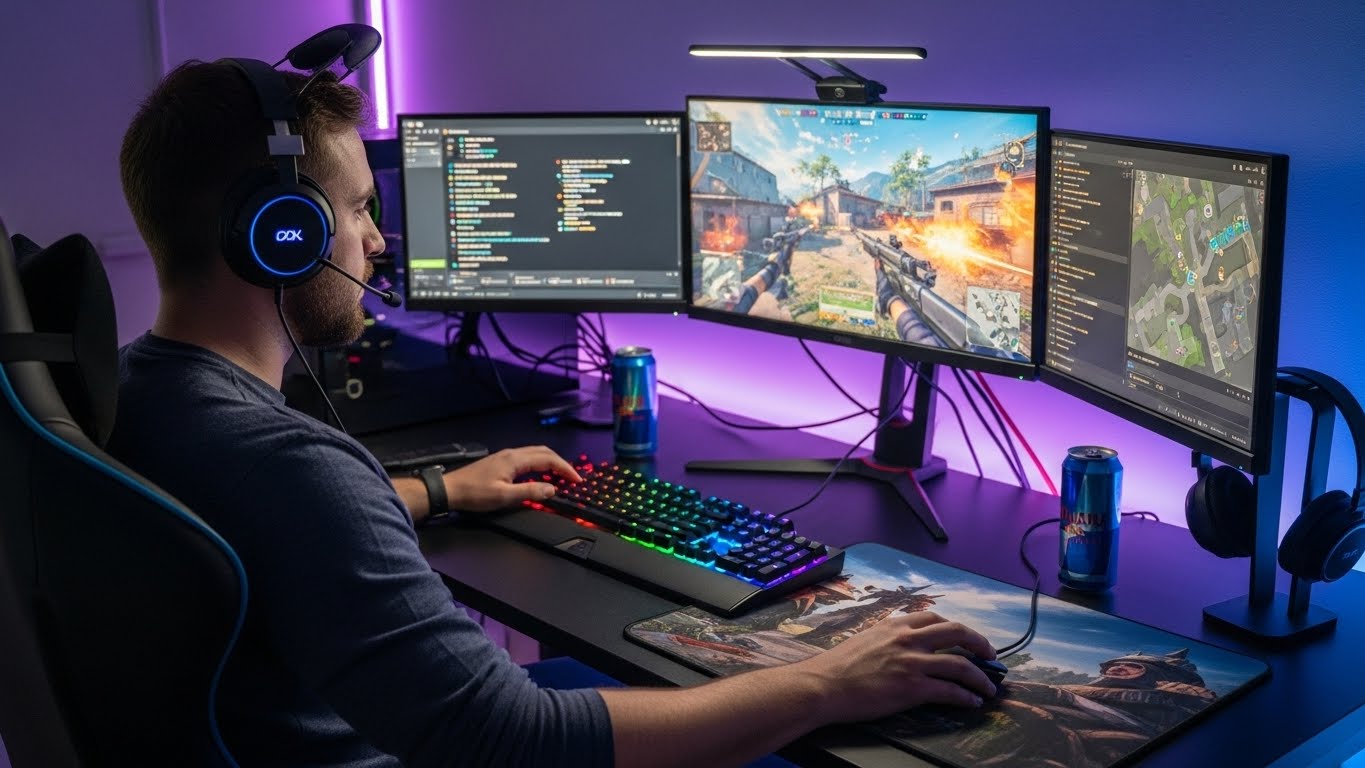
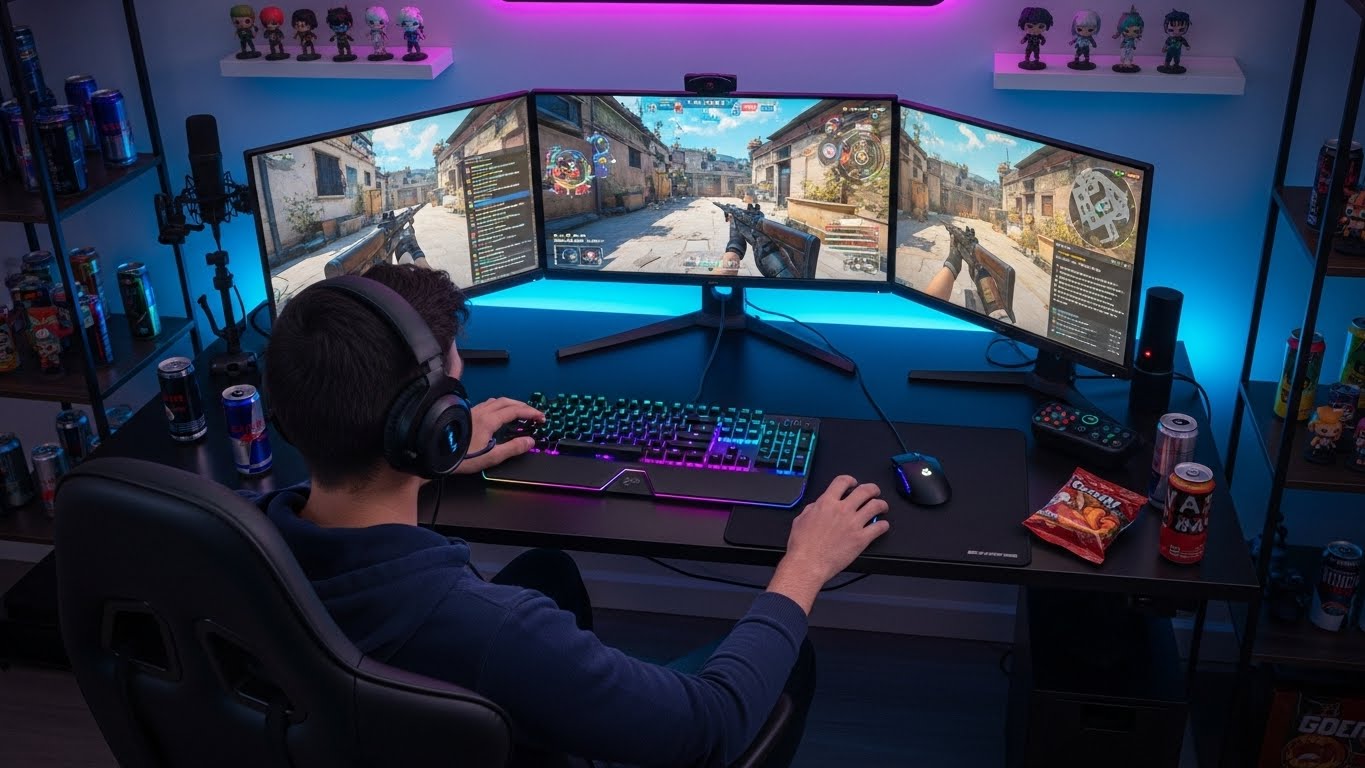
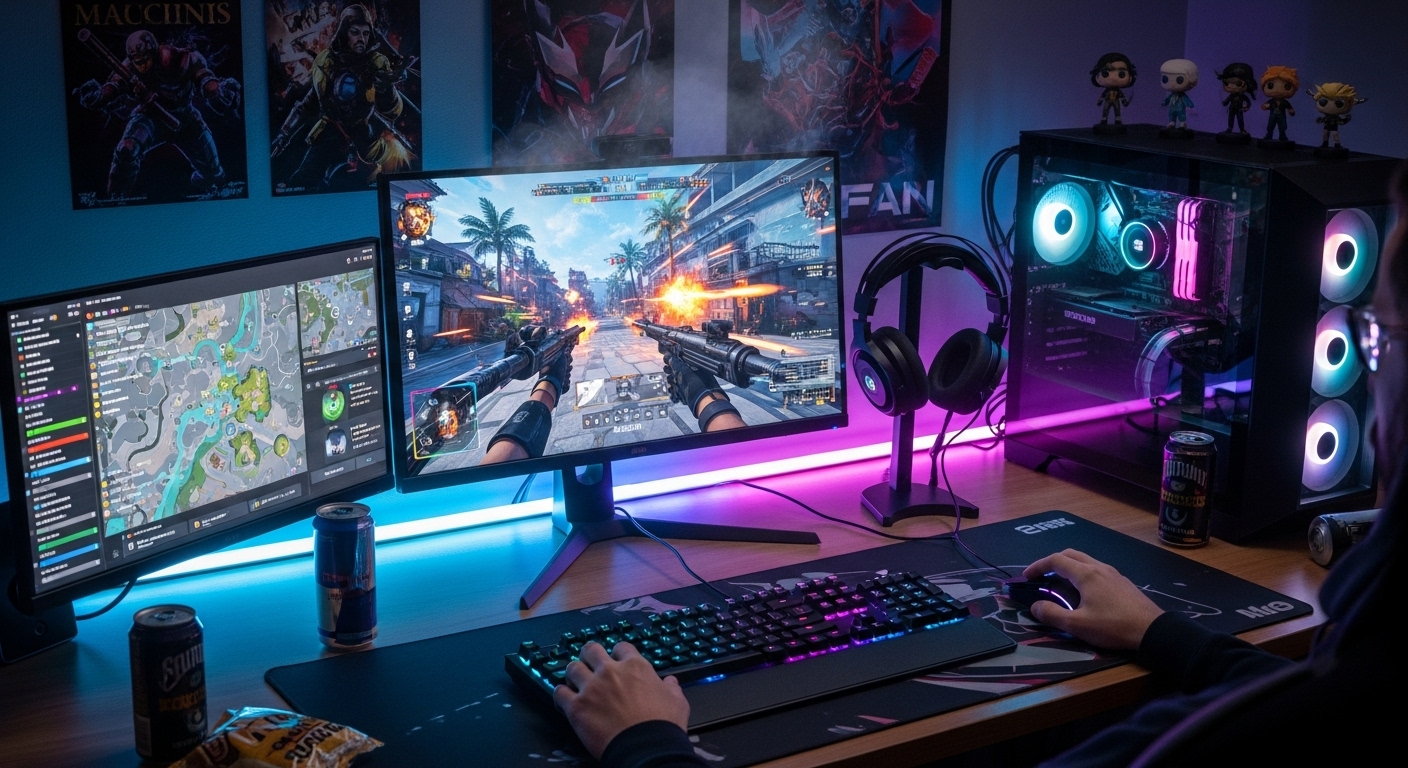
Gaming has evolved far beyond its origins as a simple form of entertainment. Today, it is a multifaceted cultural phenomenon, blending technology, storytelling, social interaction, and competition. Whether played on consoles, PCs, or mobile devices, gaming has captured the imagination of millions worldwide, creating communities, careers, and even new forms of art. This blog explores the rise of gaming, its impact on society, the psychology behind it, and its future trajectory.
The Origins of Gaming: From Arcades to Consoles
The history of gaming dates back several decades. In the 1970s and 1980s, arcade machines were the heart of gaming culture. Titles like Pong, Space Invaders, and Pac-Man became global sensations, drawing players to public spaces for both fun and competition. These early games were simple in design but highly addictive, focusing on reflexes and strategy.
The home console revolution soon followed, beginning with systems like the Atari 2600 and Nintendo Entertainment System. These devices brought gaming into households, making it accessible to families and individuals alike. Classic titles like Super Mario Bros., The Legend of Zelda, and Sonic the Hedgehog introduced expansive worlds, engaging narratives, and creative gameplay mechanics. Consoles also made gaming a shared experience, allowing friends and family to play together, fostering social bonds that extended beyond the screen.
The Rise of PC Gaming: Strategy and Immersion
Parallel to console gaming, PC gaming developed its own unique niche. Personal computers allowed for more complex games, higher resolution graphics, and a greater range of genres. Role-playing games, real-time strategy games, and simulation games found a home on PCs, offering players experiences that required critical thinking, planning, and problem-solving.
Games like Warcraft, StarCraft, and The Sims demonstrated the depth that PC gaming could achieve, providing immersive experiences that could span hundreds of hours. The flexibility of PCs also encouraged modding and customization, allowing players to modify games or create entirely new experiences. This fostered a sense of creativity and community that became a defining feature of PC gaming culture.
Mobile Gaming: Gaming Anywhere, Anytime
The advent of smartphones transformed gaming by putting it directly into people’s pockets. Mobile gaming has become one of the largest segments of the industry, attracting casual players and hardcore enthusiasts alike. Games like Candy Crush, Angry Birds, and Pokémon Go brought gaming to a broader audience, including people who might not identify as traditional gamers.
Mobile games introduced new business models, such as free-to-play games supported by in-app purchases and microtransactions. These models allowed developers to reach a massive audience while offering players a range of experiences without an upfront cost. Social features in mobile games, such as leaderboards, sharing achievements, and collaborative play, also encouraged interaction and competition.
Online Gaming: The Social Revolution
The rise of the internet brought a transformative shift to gaming, enabling players to connect, collaborate, and compete globally. Multiplayer online games like World of Warcraft, League of Legends, and Fortnite created vibrant communities where players could form teams, build friendships, and engage in shared objectives.
Online gaming emphasizes teamwork, communication, and strategic thinking. Players must learn to coordinate actions, adapt to unpredictable situations, and develop strategies in real-time. These experiences extend beyond entertainment, teaching valuable life skills such as collaboration, leadership, and decision-making under pressure.
Furthermore, online platforms have allowed communities to flourish. Players share tips, strategies, fan art, and stories, creating a sense of belonging and identity within gaming subcultures. For many, these communities are just as important as the games themselves, providing social support and connection.
Esports: Competitive Gaming on a Global Stage
Esports, the professional competitive gaming industry, has turned gaming into a legitimate career path. Professional players and teams compete in games like Dota 2, Call of Duty, and Counter-Strike: Global Offensive for substantial prize pools and international recognition. Esports tournaments draw millions of viewers, filling arenas and reaching global audiences online.
Esports requires rigorous training, discipline, and teamwork. Players often dedicate long hours to perfecting strategies, honing reflexes, and maintaining physical and mental health. Just like traditional sports, esports emphasizes preparation, focus, and resilience under pressure. This professionalization has created new career opportunities, including streaming, coaching, event management, and game development, expanding gaming from a hobby into a thriving industry.
The Psychology of Gaming: Engagement and Motivation
Gaming engages players on multiple psychological levels. Many games incorporate elements of challenge, reward, and progression, which trigger dopamine release in the brain, providing a sense of accomplishment and satisfaction. This reward system explains why players can spend hours immersed in complex worlds or competitive matches.
Story-driven games engage players emotionally, allowing them to experience narratives firsthand. Players make choices that influence outcomes, creating a personal connection to the story and characters. Role-playing games, in particular, allow players to experiment with different identities, morals, and decision-making strategies, offering a safe space for exploration and self-expression.
Games also provide stress relief and relaxation. Immersive experiences allow players to disconnect from real-life pressures while engaging in problem-solving, creativity, and social interaction. Multiplayer games further add a social dimension, offering camaraderie, competition, and a sense of community.
Gaming as Education and Skill Development
Beyond entertainment, games have significant educational and skill-building potential. Strategy games, puzzles, and simulations teach problem-solving, critical thinking, and resource management. Role-playing games encourage creativity, planning, and empathy as players navigate complex narratives and social interactions.
Educational games have been designed specifically for learning, teaching subjects like mathematics, language, history, and science in interactive ways. Gamified learning platforms engage students more effectively than traditional methods, combining challenge and reward with knowledge acquisition.
Gaming also helps develop hand-eye coordination, reaction time, and spatial awareness. These skills are particularly evident in action, simulation, and competitive games, where quick reflexes and strategic thinking are essential for success.
The Cultural Impact of Gaming
Gaming has a profound cultural influence, shaping media, art, fashion, and social trends. Popular franchises like The Legend of Zelda, Final Fantasy, and Grand Theft Auto have become cultural icons, influencing music, film, and storytelling. Gaming terminology, references, and memes permeate mainstream culture, reflecting the integration of gaming into daily life.
Games also explore social, moral, and philosophical themes. Many modern titles tackle issues such as identity, ethics, politics, and mental health, encouraging players to reflect on real-world challenges. Games have become a medium for creative expression, with fan art, mods, and narrative expansions adding depth to the gaming experience.
Technological Innovations Shaping Gaming
The future of gaming is deeply intertwined with technological advancement. Virtual reality (VR) and augmented reality (AR) are pushing the boundaries of immersive experiences, allowing players to interact with digital worlds in unprecedented ways. VR provides a sense of presence and realism, while AR blends digital content with the physical environment.
Artificial intelligence enhances gaming by creating adaptive challenges, dynamic narratives, and intelligent opponents. Cloud gaming removes hardware limitations, allowing players to access high-quality games on a variety of devices. Blockchain technology is also entering the gaming space, enabling secure in-game transactions, digital ownership, and new economic models.
These innovations promise to make gaming more interactive, social, and personalized, expanding its reach and impact.
Challenges in the Gaming Industry
Despite its growth, gaming faces several challenges. Gaming addiction is a growing concern, as excessive play can negatively impact mental health, physical well-being, and social relationships. Developers and regulators are increasingly promoting responsible gaming, parental controls, and community support to mitigate these risks.
Diversity and representation remain key issues in gaming. While progress has been made, there is still a need for inclusive narratives, diverse characters, and equitable opportunities within the industry. Addressing these challenges is essential for fostering a healthy and sustainable gaming ecosystem.
Additionally, online toxicity and harassment are concerns in multiplayer environments. Community moderation, reporting systems, and social tools are necessary to ensure that gaming remains a safe and positive experience for all players.
The Future of Gaming: Endless Possibilities
The future of gaming is bright, with limitless possibilities for innovation, creativity, and social connection. Games will continue to evolve, blending entertainment, education, and social interaction in increasingly sophisticated ways. Mobile, cloud, and VR platforms will make gaming more accessible, immersive, and personalized.
Esports and professional gaming will continue to grow, offering new career paths and economic opportunities. Social features, cross-platform play, and global online communities will strengthen the social dimension of gaming, making it a powerful tool for connection and collaboration.
The integration of technology, storytelling, and human creativity ensures that gaming will remain a central part of modern culture for generations to come.
Conclusion: Gaming as a Lifestyle
Gaming is no longer just a pastime; it is a lifestyle, a culture, and an industry that touches millions of lives worldwide. From ancient board games to modern virtual realities, gaming reflects human creativity, innovation, and social connection. It teaches skills, provides entertainment, fosters community, and opens doors to professional opportunities.
As technology and culture continue to evolve, gaming will remain at the forefront of entertainment and human interaction. It is a universal language that connects people across borders, a platform for creativity, and a reflection of the endless possibilities of human imagination. Gaming is here to stay, and its influence on society, culture, and personal development will only continue to grow.