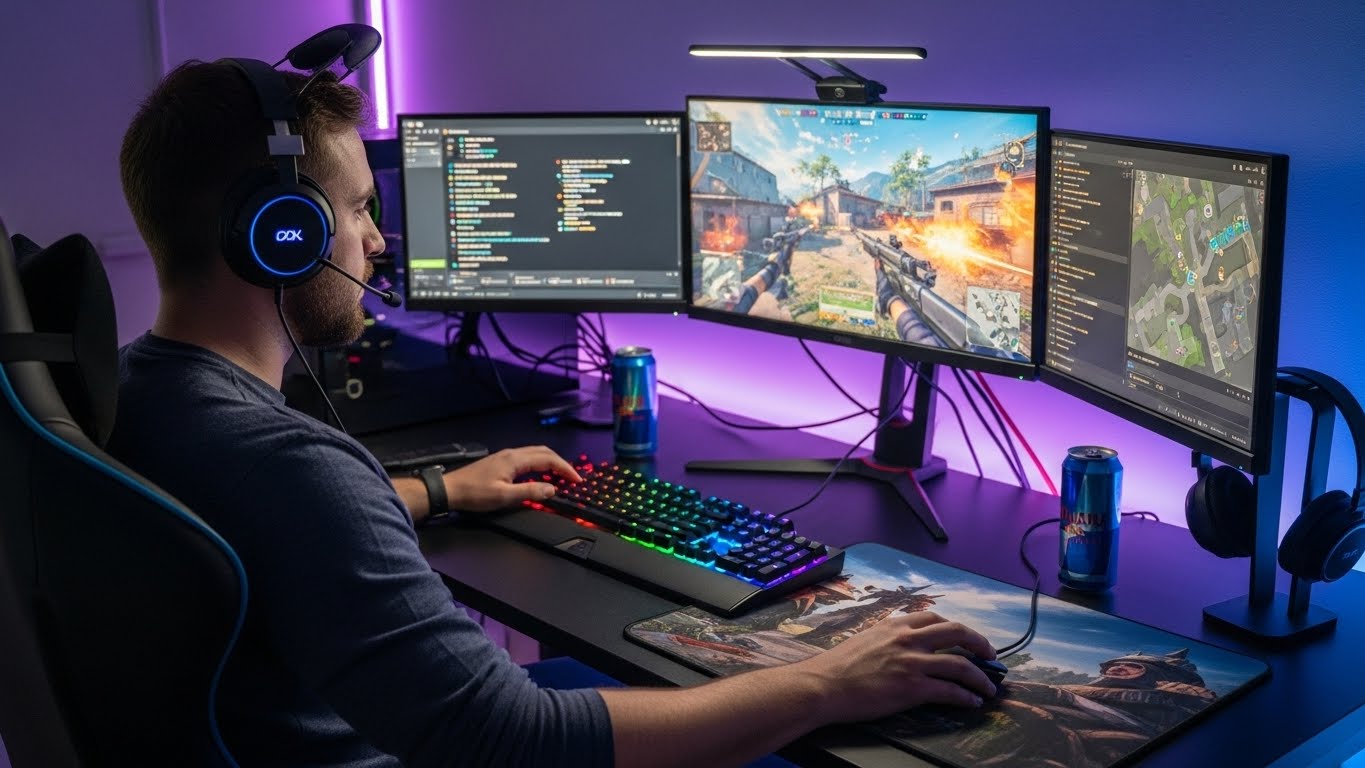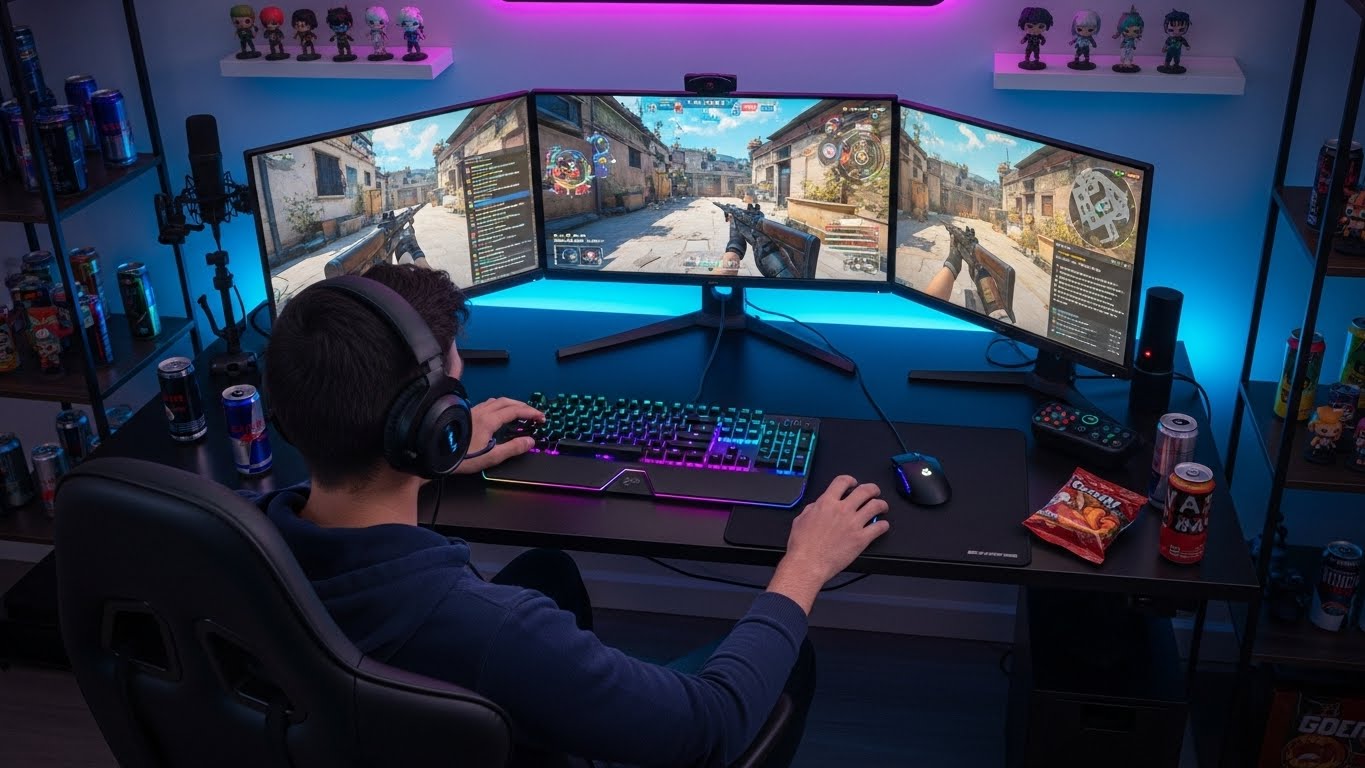
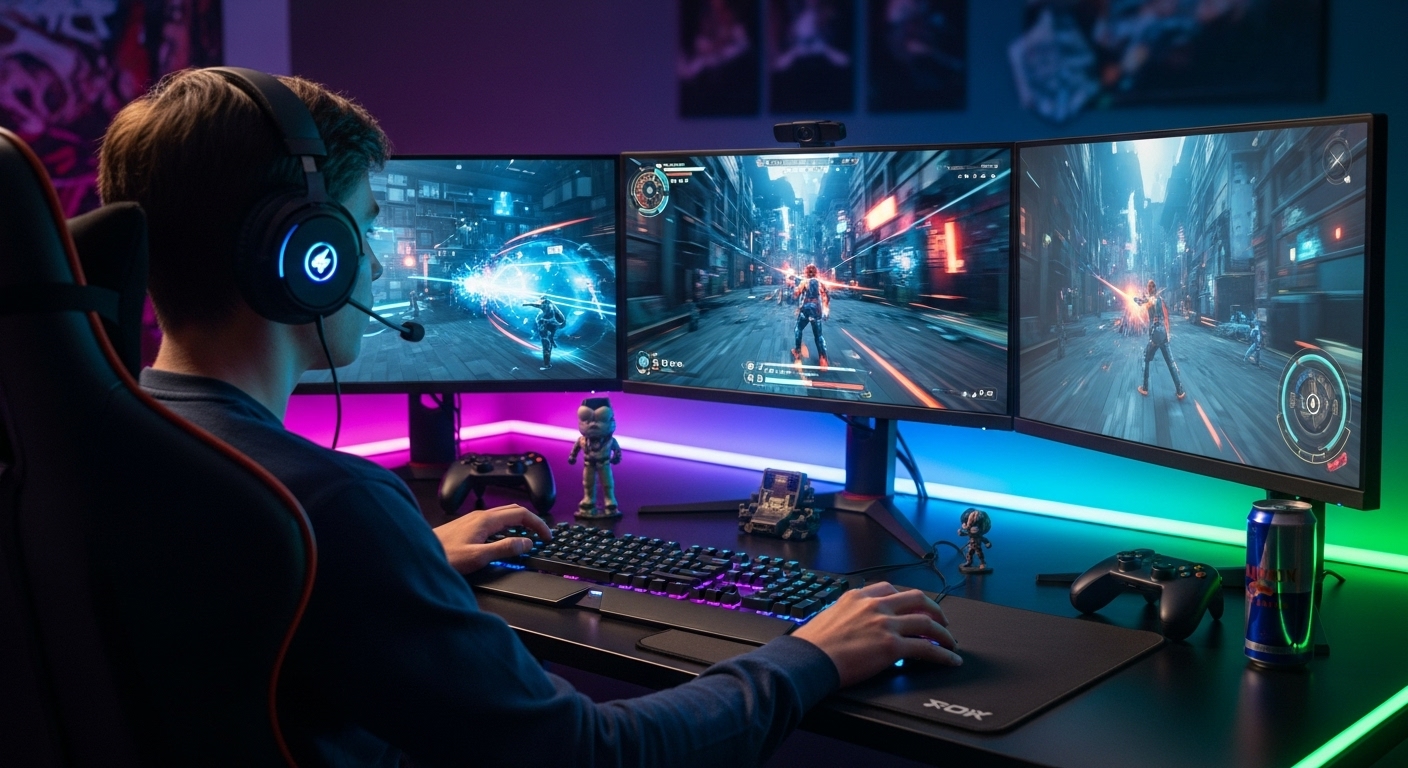
Introduction: A New Era of Play
Gaming has evolved far beyond being a mere form of entertainment—it has become a cornerstone of modern culture, influencing everything from technology and education to social interaction and even professional careers. Once seen as a pastime for kids, the gaming industry has blossomed into a multibillion-dollar enterprise that now rivals movies and music in terms of both global reach and cultural impact. From casual mobile games to competitive esports, gaming offers a diverse range of experiences that have something for everyone. This blog post delves into the evolution of gaming, its societal implications, and how it has changed the way we engage with entertainment.
The Rise of Digital Gaming
While gaming has always had its roots in board games and physical sports, the real transformation began with the advent of video games in the late 20th century. The first video games, such as Pong and Space Invaders, were simple yet captivating, quickly drawing crowds to arcades across the world. The introduction of home gaming consoles in the 1980s, like the Nintendo Entertainment System (NES), allowed families to experience these games in their own living rooms, marking the beginning of a new era in interactive entertainment.
By the 1990s, the gaming industry exploded with the introduction of 3D graphics and immersive game worlds. Titles like Super Mario 64 and The Legend of Zelda: Ocarina of Time showcased the immense potential of video games as an art form, offering vast, explorable worlds with intricate storylines and characters. This era also saw the rise of iconic franchises such as Final Fantasy, Sonic the Hedgehog, and Street Fighter, which laid the groundwork for what would later become global gaming phenomena.
Gaming Today: More Than Just Entertainment
In the modern era, gaming is not confined to the traditional formats of consoles and PCs. The rise of smartphones has brought gaming to the fingertips of billions, making it accessible to a global audience at any time, anywhere. Mobile games such as Candy Crush and Clash Royale have transformed gaming into a casual, social activity, reaching audiences beyond the typical “gamer” demographic.
Simultaneously, the growth of online multiplayer games has created a new type of social space. Games like Fortnite, League of Legends, and Call of Duty allow players to team up with friends or strangers around the world in highly competitive, real-time environments. This shift has turned gaming into a platform for social interaction, where players communicate, strategize, and even build friendships or rivalries that transcend borders. As a result, gaming is now deeply integrated into social and cultural fabrics, connecting people from different walks of life.
The Explosion of Esports: Gaming as a Profession
One of the most significant developments in the gaming industry over the past decade has been the rise of esports—the competitive side of gaming. What was once a niche hobby for the highly skilled is now a global industry with professional leagues, large audiences, and massive prize pools. Esports has turned talented gamers into celebrities, and tournaments like the League of Legends World Championship or the Dota 2 International draw millions of viewers from around the world.
Esports has not only provided a platform for professional players but also has created an entire ecosystem of teams, coaches, analysts, and broadcasters. Major gaming companies sponsor tournaments, while streaming platforms like Twitch and YouTube allow fans to watch live gameplay and interact with their favorite players. With its growing viewership and influence, esports has become a legitimate career path, with competitive gamers, influencers, and content creators making significant incomes from their gaming skills and online presence.
The Role of Technology in Gaming’s Evolution
One of the driving forces behind the transformation of gaming is the constant advancement in technology. As hardware continues to improve, so do the experiences that games can offer. Next-gen consoles like the PlayStation 5 and Xbox Series X feature ultra-fast load times, stunning graphics, and immersive experiences through features like ray tracing and 3D audio. These advancements make games more realistic, allowing players to be more deeply immersed in virtual worlds than ever before.
Virtual reality (VR) and augmented reality (AR) are also opening up new possibilities for gameplay. VR headsets like the Oculus Quest 2 offer fully immersive experiences that put players directly inside the game. This technology is being used not only for entertainment but also for educational and therapeutic purposes. Games like Beat Saber and Half-Life: Alyx showcase the potential of VR to offer new forms of gameplay, while Pokemon Go demonstrated how AR can blend the real world with virtual experiences, encouraging players to explore their surroundings.
Furthermore, the development of cloud gaming platforms like Google Stadia and NVIDIA GeForce Now has made gaming more accessible than ever. Players can stream high-quality games on virtually any device, from smartphones to low-end PCs, without the need for expensive hardware. This opens up the gaming world to a broader audience, especially in regions where access to gaming consoles or high-performance PCs may be limited.
Gaming as Art: Storytelling and Design
While the technical side of gaming often takes center stage, the artistic elements of game design have also evolved significantly. Today, games are recognized as a legitimate form of artistic expression, combining visual design, narrative, music, and gameplay mechanics into a cohesive experience. Games like The Last of Us, Red Dead Redemption 2, and Journey have been praised for their storytelling, character development, and emotional depth. These games use interactive storytelling techniques that allow players to influence the narrative, creating a more personalized experience.
In addition to storytelling, the design of virtual worlds has reached breathtaking levels of detail. Open-world games like The Witcher 3 and Skyrim offer players expansive landscapes that feel alive and filled with countless stories waiting to be discovered. The blend of art, music, and gameplay in these games can evoke powerful emotions, whether it’s the sense of awe when exploring an alien world or the sorrow of losing a beloved character.
Social Impact and Community Building
One of the most remarkable aspects of gaming is its ability to build communities. Online games like World of Warcraft and Minecraft have become virtual spaces where players from all over the world come together to collaborate, share experiences, and create their own content. Players can form teams, guilds, and clans, working together to overcome challenges or achieve common goals. These virtual communities often extend beyond the game itself, with fans organizing meetups, streaming gameplay, and creating fan art or mods.
Games like Fortnite have also become platforms for cultural events, such as in-game concerts by major artists like Travis Scott and Ariana Grande. These events blend entertainment, gaming, and social interaction, offering a unique way for players to experience live performances in a virtual setting. This crossover between the gaming world and other entertainment industries is changing how we think about media consumption and live events.
The Psychological Benefits of Gaming
Gaming isn’t just about competition and entertainment—there are also significant psychological benefits. Many studies have shown that playing video games can improve cognitive abilities such as problem-solving, memory, and spatial awareness. Puzzle games, strategy games, and role-playing games require players to think critically, plan ahead, and make decisions under pressure.
Multiplayer games also encourage teamwork, communication, and leadership skills. These are important life skills that can be applied in real-world situations, whether in the workplace or in personal relationships. Moreover, games provide an escape from reality, allowing players to relax, unwind, and immerse themselves in alternate worlds. This ability to de-stress is why games can be a powerful tool for mental health, offering a break from the pressures of daily life.
The Future of Gaming: What’s Next?
The future of gaming is incredibly exciting. As technology continues to advance, the experiences we can have as players will only become more immersive and innovative. Virtual reality, augmented reality, and artificial intelligence will continue to evolve, creating new ways for players to interact with games and each other.
Games will also become more interconnected. With cross-platform play already becoming a norm, players will be able to enjoy their favorite titles across multiple devices, creating a more fluid and accessible experience. Moreover, as the lines between entertainment, education, and social interaction continue to blur, gaming will likely become an even more integral part of our daily lives.
Additionally, with the continued rise of esports and game streaming, the professional side of gaming will only grow. New career opportunities will emerge in the fields of game design, content creation, esports broadcasting, and digital marketing. The gaming industry will likely continue to thrive as it expands its influence on global entertainment and culture.
Conclusion: A New Golden Age of Gaming
Gaming has come a long way since its humble beginnings in arcades and living rooms. Today, it is a powerful force in entertainment, culture, and society. Whether through professional esports, immersive single-player experiences, or casual mobile games, gaming has proven its staying power as a dominant form of entertainment.
As technology continues to push the boundaries of what is possible, the future of gaming looks brighter than ever. With its ever-growing influence and appeal, gaming will remain an integral part of our cultural and social landscape, offering new ways to connect, learn, and entertain for generations to come.