Introduction: The Modern Gaming Revolution
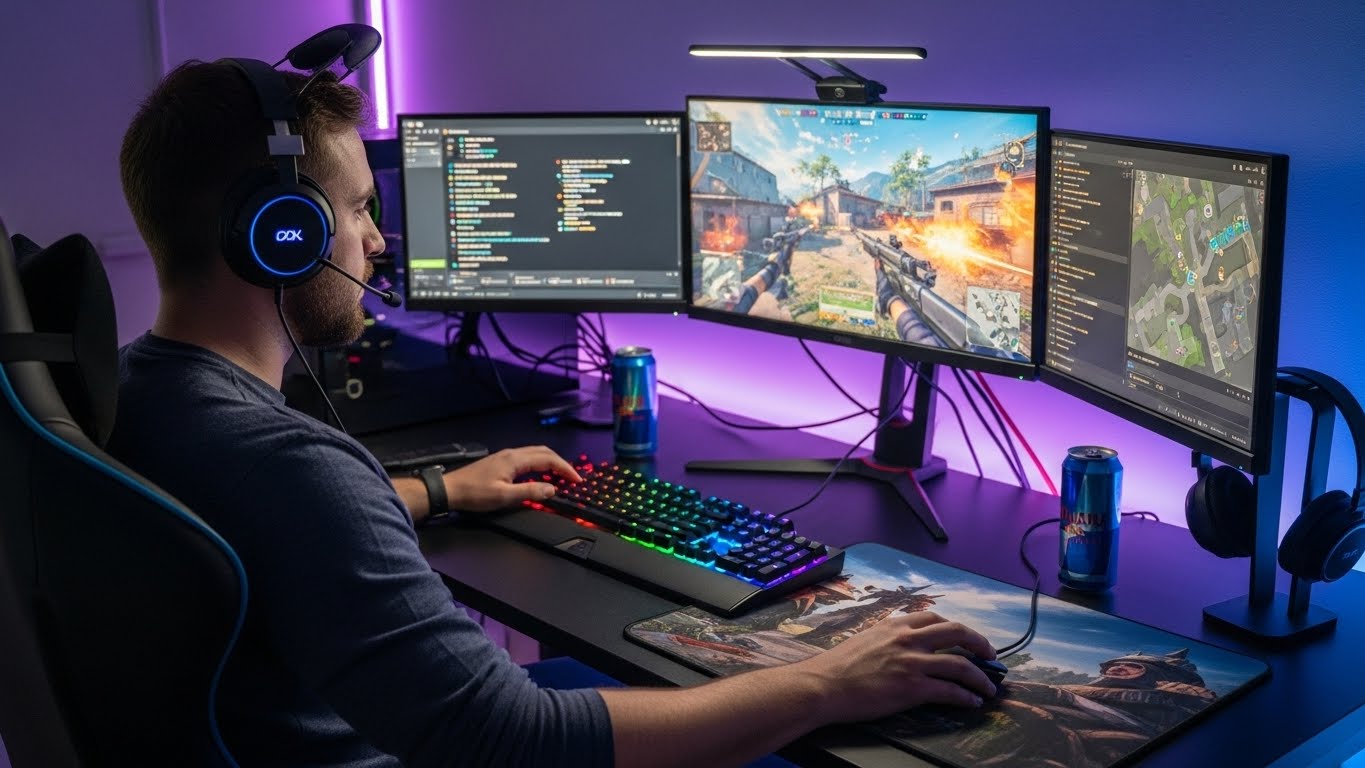
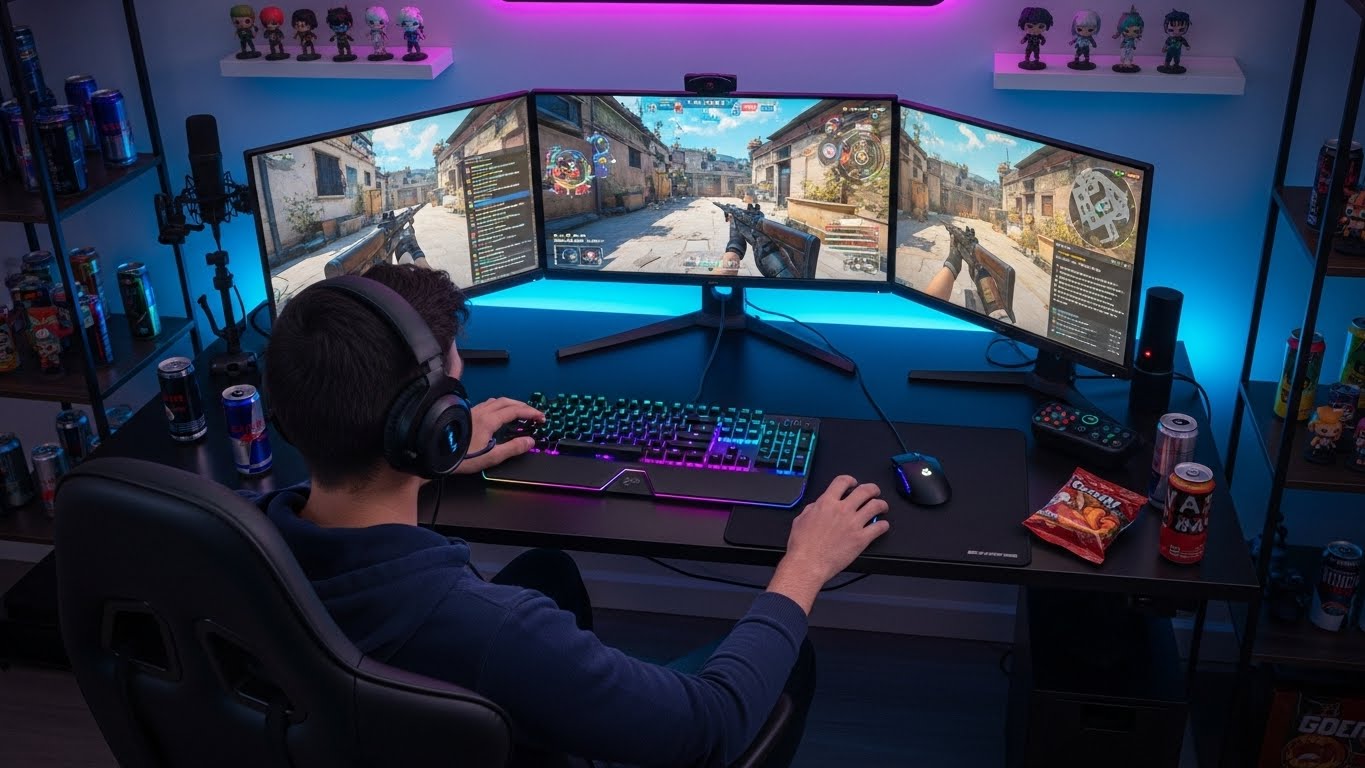
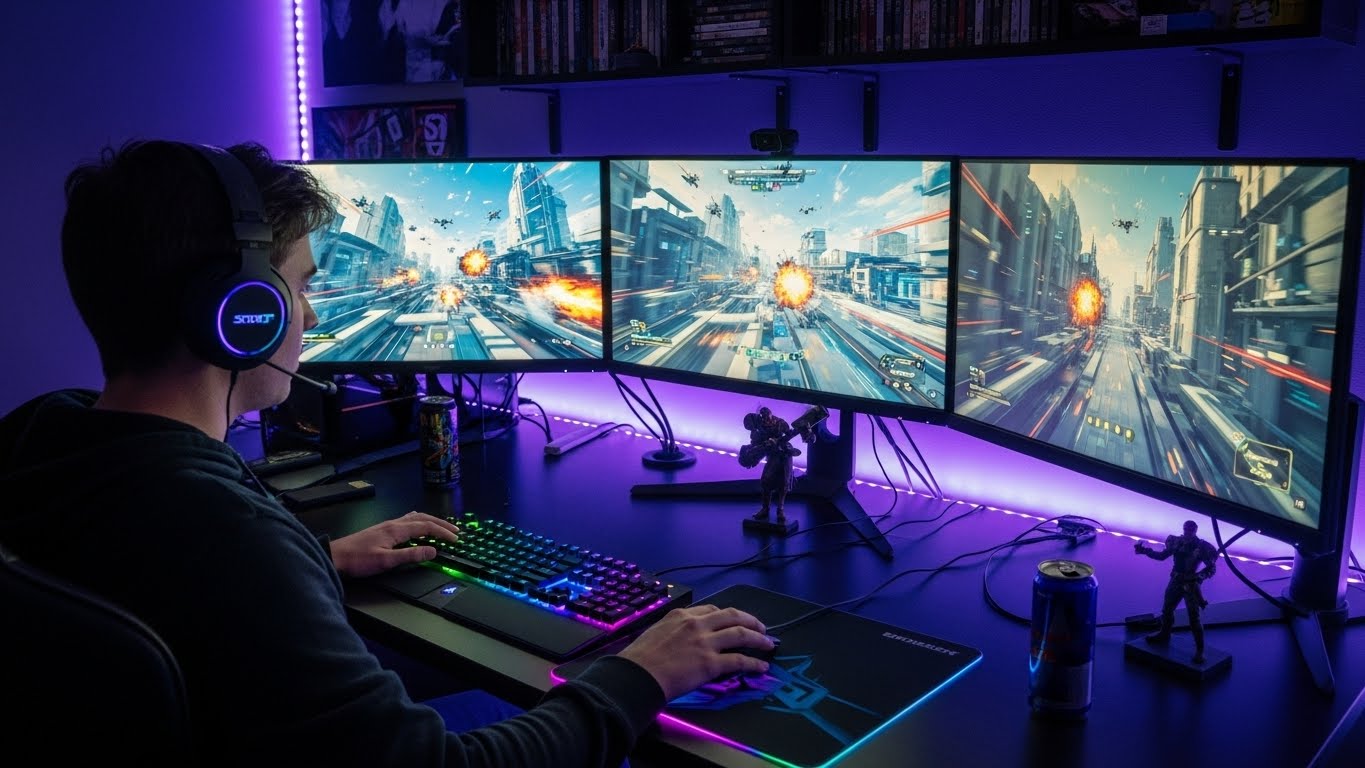
Gaming has evolved from a niche hobby into a mainstream cultural phenomenon. What began as simple, pixelated arcade games has grown into a multi-billion-dollar industry that blends storytelling, technology, and social interaction. Today, gaming offers immersive experiences that rival films and literature, while also creating vibrant communities that span the globe. This blog delves into the world of gaming, exploring how it entertains, educates, and connects people while pushing the boundaries of technology and creativity.
The Evolution of Gaming Technology
The transformation of gaming technology has been extraordinary. Early games like Pong and Space Invaders had basic graphics and limited interactivity, yet they laid the groundwork for the immersive experiences we see today. Modern games feature lifelike visuals, realistic physics, and complex artificial intelligence. Consoles, gaming PCs, and cloud platforms allow players to explore massive open worlds and interact with characters in ways that feel natural and responsive. Technologies such as virtual reality and augmented reality are redefining immersion, transporting players into environments where they can touch, move, and influence everything around them. This evolution demonstrates that gaming is not just about playing—it’s about experiencing.
The Art of Storytelling in Games
One of gaming’s most remarkable features is its ability to tell stories. Unlike traditional media, video games make players active participants in narratives. Choices made by players can alter the plot, influence character development, and lead to multiple endings. This interactivity creates a deep emotional connection between players and the story, making the experience more personal and impactful. From epic role-playing adventures to narrative-driven indie games, storytelling in gaming has matured into an art form that rivals literature and cinema. Players do not just observe a story; they live it, shaping its outcome with every decision they make.
Esports and the Competitive Gaming Phenomenon
Competitive gaming, or esports, has emerged as a global phenomenon. Millions of players train rigorously, participating in tournaments that attract audiences comparable to traditional sports events. Esports requires strategy, teamwork, reflexes, and mental agility. Professional players, coaches, commentators, and analysts now have careers built around gaming. This rise in competitive gaming highlights the dedication and skill involved, proving that gaming is not merely a recreational activity but a serious and respected discipline. The growth of esports also bridges the gap between entertainment and professional achievement, showing that gaming can be both thrilling and rewarding.
Gaming as a Social Experience
Gaming has transformed into a social platform, connecting people from around the world. Online multiplayer games allow players to collaborate, compete, and communicate regardless of geographic location. These virtual interactions foster teamwork, problem-solving, and communication skills. Players build communities, form friendships, and even find long-term connections through shared gaming experiences. Social gaming also allows individuals to express their personalities through avatars, in-game customization, and shared achievements. For many, gaming is not just a pastime—it is a space for belonging, creativity, and social connection.
Creativity in Gaming
Creativity thrives in the world of gaming. Many games allow players to design characters, build virtual cities, and craft intricate stories. Sandbox games, in particular, provide limitless possibilities, turning players into architects, storytellers, and innovators. Game development itself is a highly creative process, combining visual design, music, coding, and narrative development. Independent developers have introduced unique gameplay mechanics and fresh narratives that challenge traditional gaming norms. Beyond the game itself, players express creativity through cosplay, fan art, video content, and community projects. Gaming inspires imagination both on and off the screen.
Educational Potential of Games
Games are not only entertaining—they can also be educational. Many games promote problem-solving, critical thinking, and strategic planning. History-based games can teach real-world events, simulation games can develop resource management skills, and puzzle games can improve cognitive abilities. Educational games are increasingly being used in classrooms to make learning interactive and engaging. They offer a fun and dynamic way to explore subjects that might otherwise seem abstract or difficult. When integrated thoughtfully, gaming becomes a powerful tool for learning and personal development.
Cognitive and Mental Benefits of Gaming
Playing games can enhance a variety of mental skills. Action games improve hand-eye coordination and reaction times. Strategy and puzzle games enhance planning, logic, and decision-making abilities. Role-playing games encourage patience, adaptability, and long-term thinking. Beyond cognitive development, gaming also provides relaxation and stress relief. It offers an escape from daily pressures, allowing players to immerse themselves in worlds where they can experiment, explore, and achieve. When approached in moderation, gaming contributes positively to mental health and personal growth.
Challenges Facing the Gaming Industry
Despite its many benefits, the gaming industry faces several challenges. Toxic behavior, harassment, and in-game addiction remain concerns for many players and communities. Developers are continually working to create safer environments through moderation systems, reporting tools, and educational programs. Financial barriers also exist, as high-end gaming equipment can be expensive. Cloud gaming and cross-platform play are helping to address accessibility issues, making high-quality gaming more available to a wider audience. Balancing player satisfaction with monetization strategies continues to be an ongoing challenge for developers worldwide.
Cultural Impact of Gaming
Gaming has become an influential part of global culture. Characters, storylines, and game-inspired music and art shape fashion, entertainment, and social trends. Popular games influence movies, television, and literature, and their impact is felt in memes, social media, and community discussions. Gaming also promotes cultural exchange, exposing players to diverse perspectives, environments, and traditions. Through this exposure, players develop empathy and a broader understanding of the world, highlighting gaming as a medium that connects people across borders and backgrounds.
The Future of Gaming
The future of gaming promises even greater innovation and immersion. Emerging technologies like artificial intelligence, virtual reality, augmented reality, and cloud computing will continue to enhance player experiences. Cross-platform play will connect players on different devices, and social integration will make gaming communities even more interactive. Beyond entertainment, gaming may expand into education, healthcare, and professional training, offering innovative ways to learn, collaborate, and problem-solve. As technology evolves, gaming will continue to reshape how we interact with digital spaces and each other.
Conclusion: Gaming as a Catalyst for Creativity and Connection
Gaming is more than just entertainment. It is a multifaceted platform that blends technology, storytelling, creativity, and social interaction. It challenges players, inspires imagination, and fosters communities. Gaming allows individuals to learn, connect, and grow while exploring worlds limited only by imagination. Whether enjoyed casually or professionally, gaming is a powerful medium that continues to shape culture, technology, and human interaction. It is a celebration of creativity, innovation, and the universal desire to explore new worlds.