Introduction: Gaming as a Modern Phenomenon
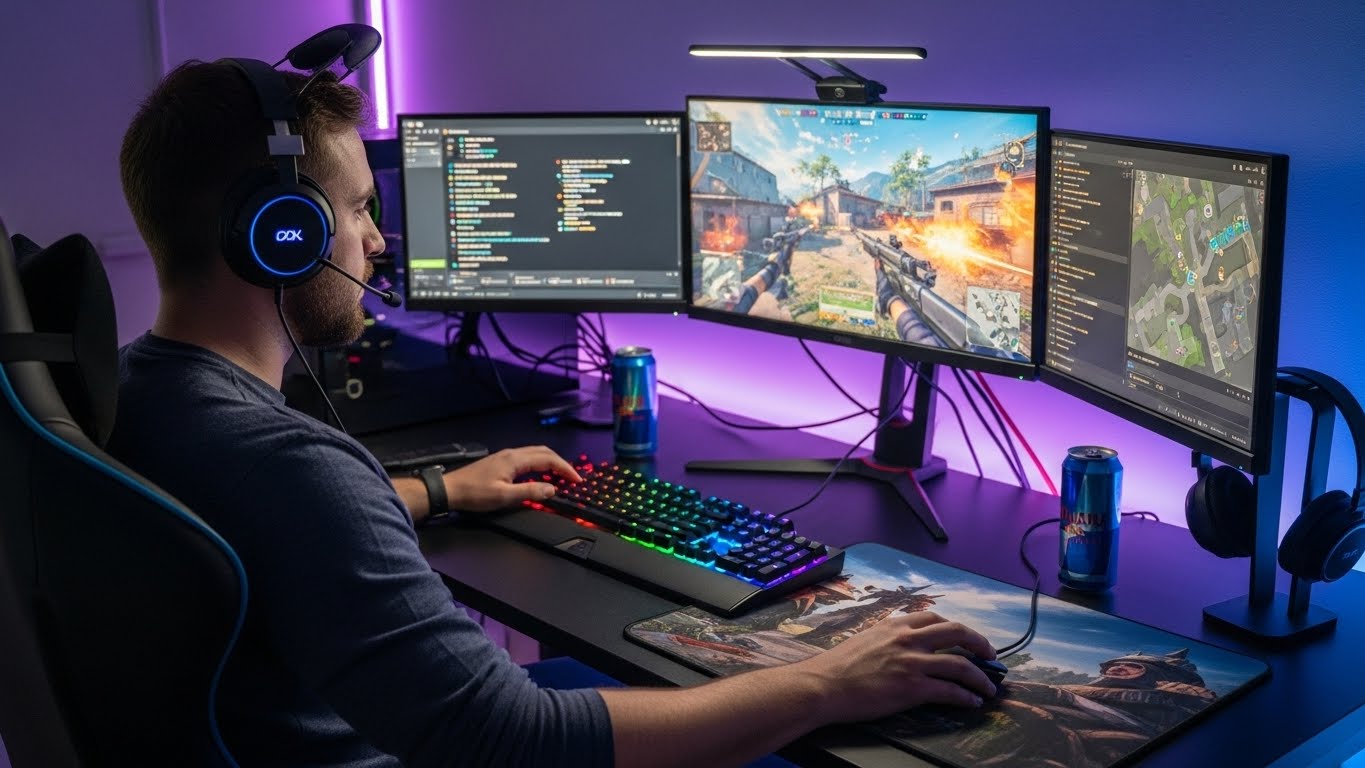
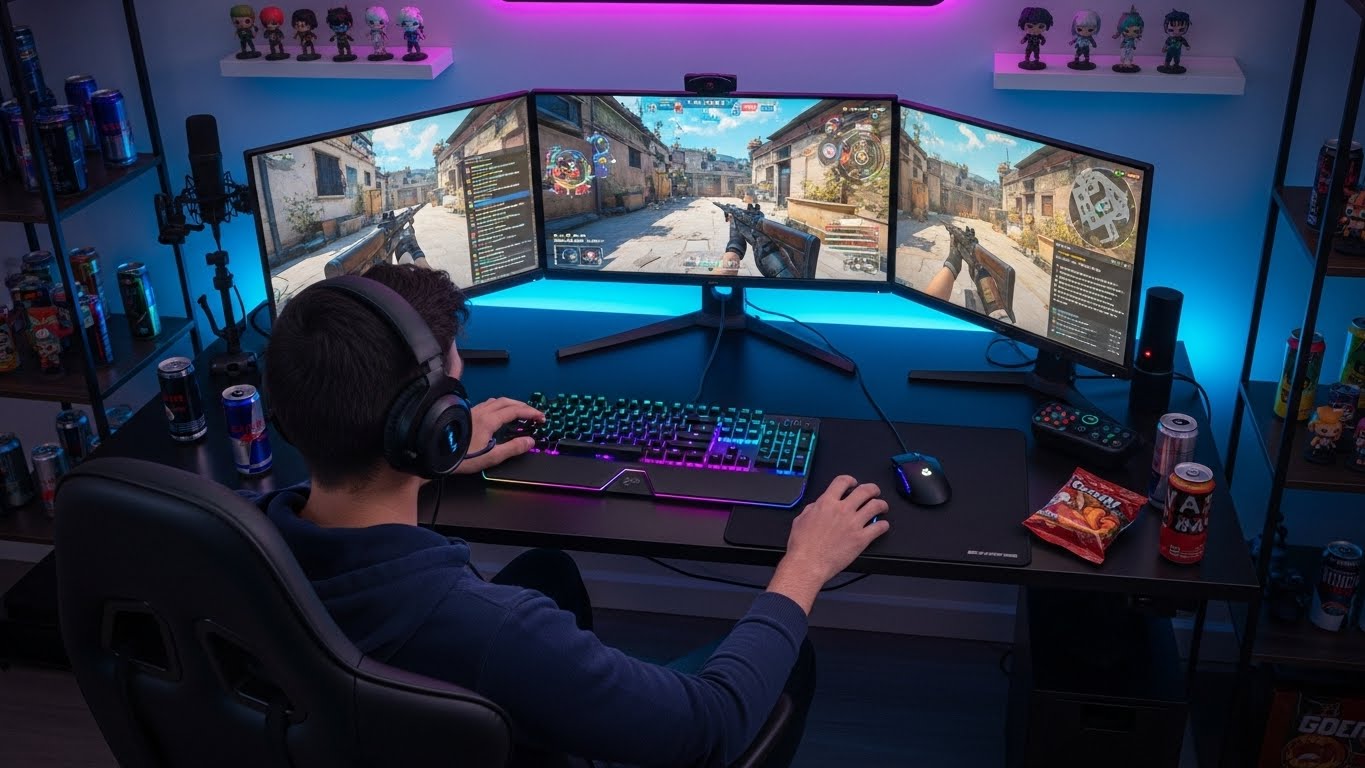
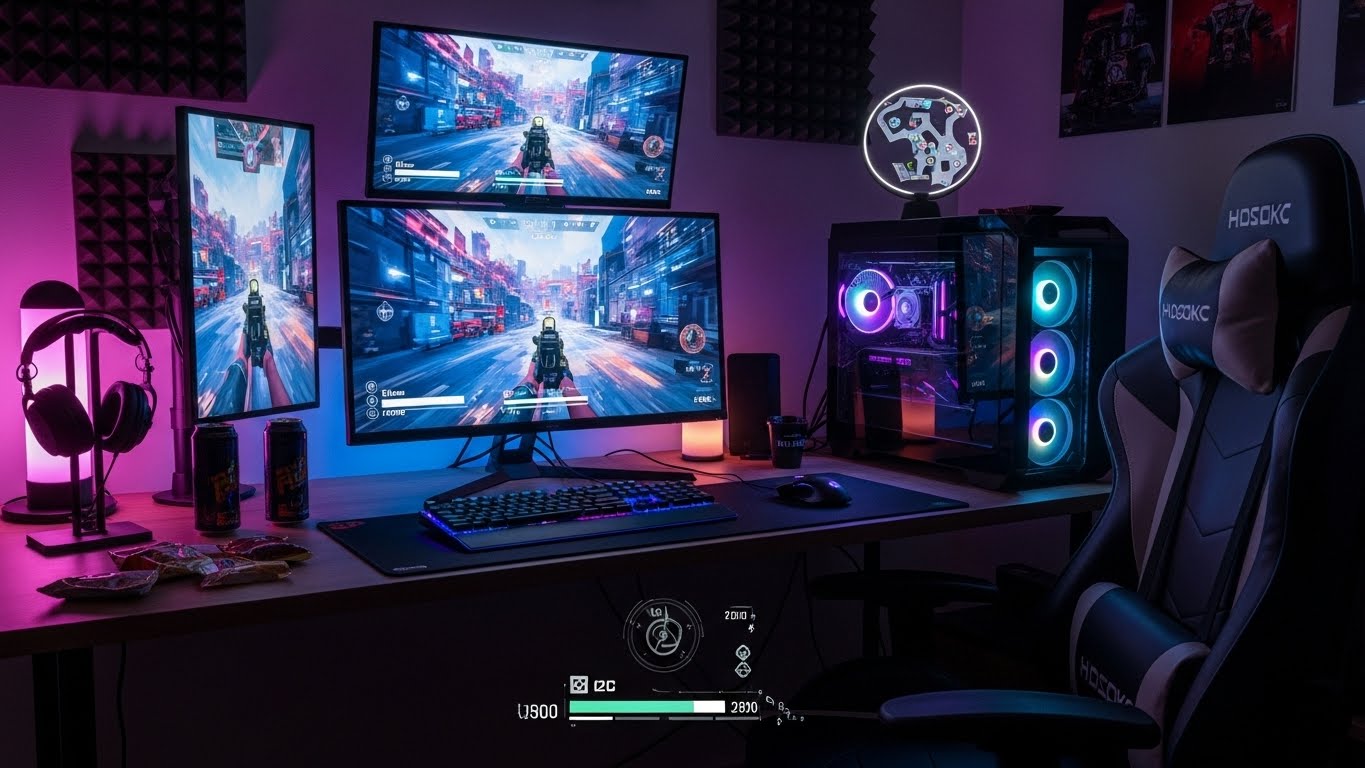
Gaming has evolved far beyond a simple pastime. From its early days of pixelated screens and joysticks to immersive virtual realities and competitive esports arenas, gaming has become a multifaceted cultural phenomenon. Today, it is not just entertainment—it is a platform for social interaction, creative expression, skill development, and even professional careers. In this blog, we explore the different aspects of gaming, including its history, technological evolution, social impact, storytelling potential, challenges, and the future of this ever-expanding world.
The Origins of Gaming: Arcades and Early Consoles
The journey of gaming began with arcade machines in the 1970s and 1980s. These coin-operated machines were more than just games—they were social hubs where players competed for high scores and earned recognition among peers. Classic titles such as Pac-Man, Space Invaders, and Donkey Kong became global sensations, laying the groundwork for gaming culture.
Home consoles soon followed, bringing games into living rooms. Systems like the Nintendo Entertainment System and Sega Genesis introduced gamers to colorful graphics, more complex storylines, and a variety of game genres. This era marked the beginning of gaming as a mainstream form of entertainment, reaching audiences far beyond arcades.
The Rise of Personal Computer Gaming
While consoles captured the living room market, the personal computer opened new avenues for gaming enthusiasts. PC gaming offered high-quality graphics, customization, and access to a wide variety of genres including strategy, simulation, role-playing, and first-person shooters.
A significant milestone was the development of multiplayer PC games. Early online games allowed players to connect through local networks or the internet, fostering communities and competitive gameplay. Iconic titles like StarCraft, Counter-Strike, and World of Warcraft not only captivated players but also created long-lasting global communities, laying the foundation for the esports industry.
Mobile Gaming: Gaming in the Palm of Your Hand
The introduction of smartphones brought gaming to an unprecedented level of accessibility. Mobile games made it possible for anyone, anywhere, to enjoy gaming without needing consoles or PCs. Titles like Candy Crush, Clash of Clans, and Angry Birds attracted casual players, while mobile versions of complex games appealed to dedicated gamers.
The mobile platform also introduced new economic models such as freemium games and in-app purchases. While these models raised concerns about fairness and addictive gameplay, they allowed developers to continuously update games, creating long-term engagement for players. Mobile gaming has blurred the line between casual and hardcore gamers, making gaming a ubiquitous part of daily life.
Technological Advancements in Gaming
Modern gaming is powered by groundbreaking technology that enhances realism and immersion. High-performance graphics cards, advanced processors, and virtual and augmented reality devices have transformed gaming into a visually stunning and interactive experience. Realistic physics engines, AI-driven characters, and detailed environments create virtual worlds that feel alive.
Cloud gaming represents another technological leap. Players can stream high-quality games without expensive hardware, making gaming accessible to a broader audience. This development is changing the industry model, moving towards subscription services and on-demand gaming experiences, similar to streaming in film and television.
The Social Dimension of Gaming
Gaming has become a highly social activity. Multiplayer games and online communities allow players to connect with friends and strangers worldwide. Social interaction is a core part of gaming, from cooperative missions to competitive matches and shared experiences.
The rise of live streaming and esports has elevated gaming into a spectator activity. Professional players earn recognition, sponsorships, and prize money, while audiences watch, interact, and engage with personalities behind the games. The social aspect of gaming fosters teamwork, communication, and critical thinking, demonstrating that gaming is as much about community as it is about entertainment.
Gaming as a Medium for Storytelling and Art
Beyond competition and social engagement, gaming has emerged as a powerful medium for storytelling. Games with strong narratives allow players to explore complex themes, moral dilemmas, and emotional journeys. Titles like The Last of Us, Red Dead Redemption, and Life is Strange showcase the artistic and narrative potential of games, evoking deep emotional responses from players.
Artistic expression in games extends beyond storytelling. Graphics, music, sound design, and interactive choices combine to create immersive experiences. Games allow players to influence the narrative, creating unique personal experiences that no other medium can replicate. The combination of art, interactivity, and narrative depth positions gaming as a modern form of art.
Challenges in the Gaming World
Despite its many benefits, gaming faces challenges. Issues like addiction, toxic online behavior, and lack of diversity remain concerns within the community. Developers are increasingly addressing these issues through better game design, community moderation, and inclusive storytelling.
Economic models such as microtransactions and pay-to-win systems also raise ethical questions. Balancing profitability with player satisfaction is an ongoing challenge for the industry. Addressing these challenges responsibly is essential to maintaining gaming’s growth and cultural relevance.
The Future of Gaming
The future of gaming promises exciting developments. Virtual and augmented reality will likely become more immersive, allowing players to fully step into digital worlds. Artificial intelligence will enhance non-player characters, making virtual interactions more lifelike and dynamic.
Cloud gaming and cross-platform play will continue to expand accessibility, enabling more players to participate regardless of hardware limitations. The integration of gaming with education, entertainment, and social platforms suggests that gaming will play an increasingly central role in how people connect, learn, and engage with media.
Conclusion: Gaming as a Lifelong Experience
Gaming has transformed from simple arcades and consoles into a global phenomenon that entertains, educates, and connects people across the world. Technological advancements, social engagement, and artistic storytelling ensure that gaming will continue to evolve and captivate future generations.
Whether playing casually, competing professionally, or appreciating the artistic elements, gaming has something for everyone. It is not merely a hobby but a vibrant, dynamic culture that continues to grow. As technology and creativity push the boundaries of what gaming can achieve, it remains a testament to human imagination, skill, and connection. Gaming is more than pixels and controllers—it is a journey, a community, and an experience that transcends generations.