
Introduction
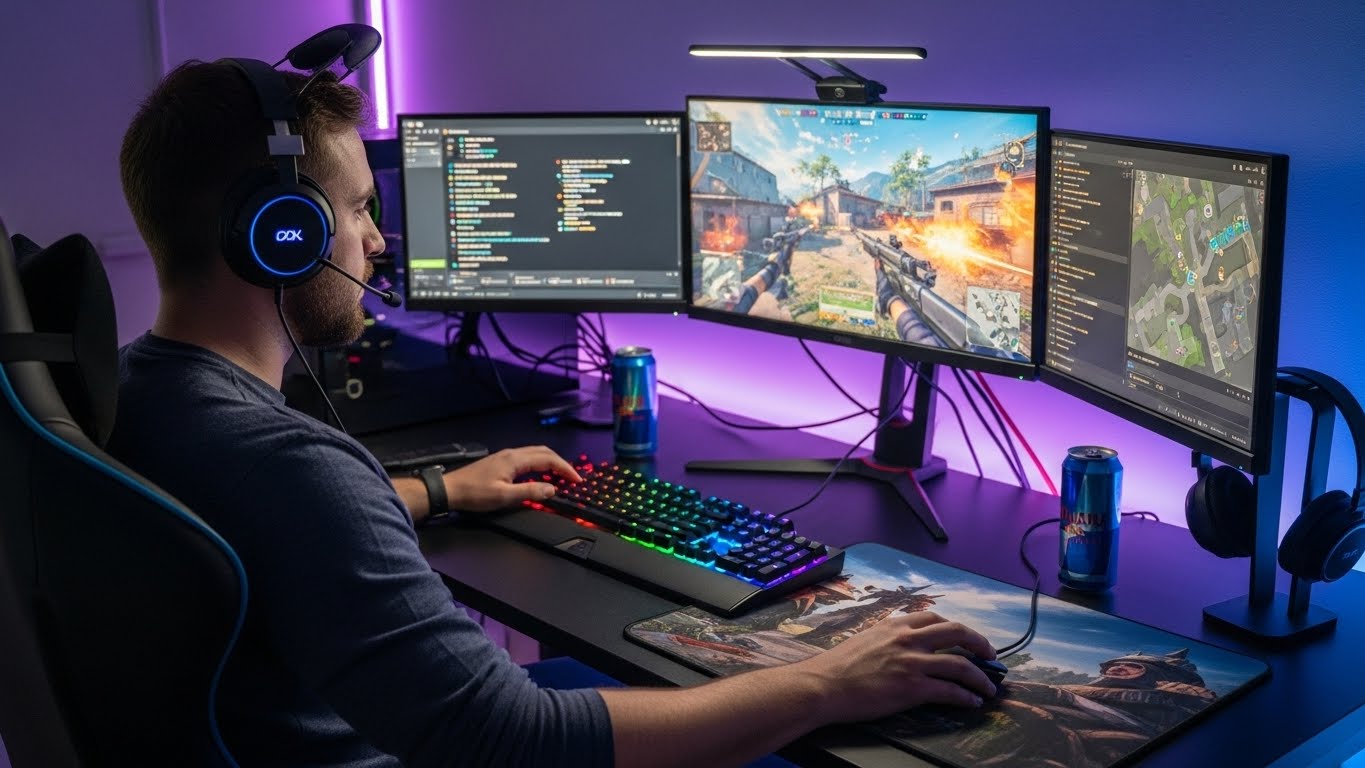
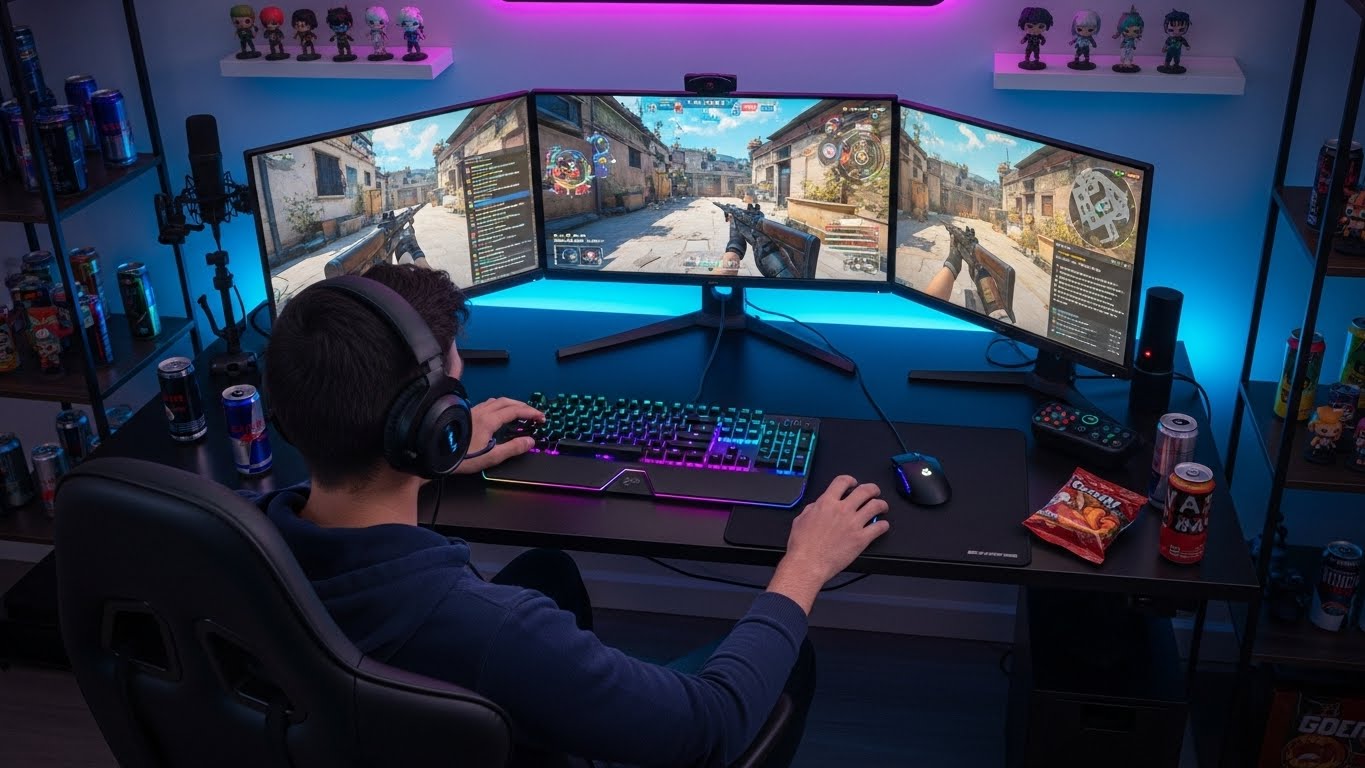
Gaming has evolved from a simple pastime into a global culture, a powerful industry, and a creative art form that connects millions of people across the world. What was once limited to pixelated screens and basic mechanics has transformed into immersive virtual experiences that rival blockbuster films. Today’s video games blend storytelling, strategy, emotional depth, and cutting-edge technology to create worlds that feel alive. This blog explores how gaming has changed, why it continues to grow, and how it is shaping the future of entertainment and community interaction.
The Evolution of Gaming from Simple to Spectacular
In the early days of gaming, titles were small, straightforward, and designed for quick fun. Over time, the gaming landscape shifted dramatically. As technology advanced, so did the expectations of players who wanted richer narratives, deeper mechanics, and more realistic graphics. Developers responded by pushing boundaries, embracing 3D environments, complex gameplay systems, and cinematic presentation. This evolution has turned video games into experiences that engage players for hours, offering challenges, exploration, and emotional storytelling that were once unimaginable. Today’s gaming world stands as a testament to decades of innovation and relentless creativity.
The Rise of Immersive Storytelling in Games
One of the most profound changes in gaming is the level of storytelling. Modern games are no longer confined to simple plots. They feature multi-layered narratives, morally challenging decisions, and character development that rivals top-tier movies and novels. Players are drawn into stories where their choices matter, influencing outcomes and shaping the journey. This form of interactive storytelling gives players control over the narrative, making the experience deeply personal. With each decision, gamers actively participate in constructing the story, which creates a sense of investment unmatched by passive entertainment.
Graphics That Blur the Line Between Reality and Fantasy
Advancements in graphics have played a central role in gaming’s rise. High-resolution textures, lifelike environments, and fluid character animations allow players to step into worlds that feel vivid and real. Developers use sophisticated lighting, color grading, and motion capture technology to replicate the smallest details, from facial expressions to the movement of water and shadows. These improvements elevate gameplay by enhancing immersion and making exploration more rewarding. As graphics technology continues improving at impressive speeds, games will become even more realistic, pushing the boundaries of what digital art can achieve.
The Shift Toward Open Worlds and Player Freedom
A defining trend in modern gaming is the popularity of open-world games. These expansive environments give players the freedom to explore, hunt, craft, build, and embark on quests at their own pace. This sense of autonomy is one of the most appealing elements of modern gaming. Instead of following a strict path, players can shape their adventure, discover hidden secrets, and interact with dynamic elements that respond to their actions. The freedom to wander and create personal experiences turns gaming into a creative playground where imagination and curiosity thrive.
Gaming as a Social Experience and Community Builder
Gaming has become one of the most powerful platforms for social interaction. Online multiplayer games allow people to play with friends or meet new ones from different parts of the world. These virtual spaces promote teamwork, communication, and collaboration while breaking down geographical boundaries. Many players form long-lasting friendships through gaming communities, guilds, and competitive teams. The rise of voice chat, text communication, and in-game events has transformed gaming into a social hub where people bond over shared passions and challenges.
Esports and the Rise of Competitive Gaming
Competitive gaming, or esports, has exploded in popularity, becoming a professional industry with tournaments, teams, sponsorships, and global audiences. Talented players train for hours, mastering strategies and honing reflexes to compete at elite levels. Esports events now fill stadiums and attract millions of online viewers, comparable to traditional sports broadcasts. The competitive scene also opens career opportunities for players, coaches, analysts, and content creators. Esports has transformed gaming into a path toward recognition, success, and international competition.
The Influence of Streaming and Content Creation
Streaming platforms have opened a new era in gaming culture. Gamers can broadcast their gameplay, share their skills, and entertain audiences with commentary and personality. Content creators have earned loyal fan bases and even built careers by engaging with viewers through live streams and videos. Gaming content ranges from tutorials and reviews to comedy-driven playthroughs and competitive highlights. This trend has expanded the gaming community by making it more accessible, welcoming, and interactive. Viewers often feel connected to creators, forming communities that thrive on entertainment and shared interests.
The Growth of Mobile Gaming Around the World
Mobile gaming has made video games more accessible than ever before. With smartphones becoming more powerful, players can enjoy high-quality titles without needing a console or computer. Mobile games offer convenience, quick entertainment, and a diverse range of genres suitable for all ages. This has introduced millions of new players to the gaming world, broadening the community and pushing developers to innovate for mobile platforms. The rise of mobile gaming has proven that high-quality experiences can fit in your pocket, expanding the reach of gaming globally.
Virtual Reality and the Next Frontier of Immersion
Virtual reality, or VR, is one of the most exciting developments in gaming. By placing players directly inside the game world, VR creates an unmatched sense of immersion. Players can move, interact, and explore environments as if they were physically present. VR technology continues improving with better headsets, motion tracking, and more intuitive controls. As developers create more VR-exclusive titles, gaming is moving toward a future where experiences feel truly lifelike. This technology redefines how players engage with virtual spaces, offering new opportunities for creativity, exploration, and innovation.
How Gaming Encourages Learning and Cognitive Skills
While often seen purely as entertainment, gaming offers educational and cognitive benefits. Many titles require problem-solving, strategic thinking, quick decision-making, and teamwork. Puzzle games enhance logical reasoning, while strategy games develop planning and resource management skills. Even fast-paced action games improve reflexes and hand-eye coordination. Educational games explicitly designed for learning help students grasp subjects such as history, science, and mathematics in an interactive format. Gaming blends fun with mental development, making it a unique tool for learning and growth.
The Importance of Inclusivity in Modern Gaming
The gaming industry has made significant strides in becoming more inclusive. Developers are designing characters, stories, and experiences that reflect diverse backgrounds, cultures, and identities. This inclusivity helps players feel represented and connected with the games they love. Accessibility features such as customizable controls, subtitles, visual aids, and difficulty adjustments ensure that more people can enjoy gaming regardless of ability. As inclusivity continues to evolve, gaming becomes a more welcoming and supportive space for everyone.
The Impact of Player Choice and Customization
Customization has become a core element of modern gaming. Players can personalize characters, weapons, vehicles, clothing, and even game environments. This level of personalization deepens emotional attachment to the game world, giving players a sense of creative expression. Choice-driven gameplay also shapes how stories unfold, offering multiple endings and pathways depending on player decisions. These features empower players to create unique experiences that reflect their preferences and playstyles.
Game Development as an Art and Craft
Behind every great game are talented developers, artists, designers, writers, and engineers who work tirelessly to bring visions to life. Game development blends creativity with technical expertise, making it one of the most multidisciplinary art forms. From concept art and music composition to level design and coding, every aspect of development contributes to the final product. The passion and dedication of creators are evident in games that resonate emotionally, challenge expectations, and push boundaries in innovative directions.
Conclusion
Gaming is no longer just a hobby; it is a global force that influences culture, technology, storytelling, and social connection. As the industry continues to grow, new possibilities will emerge, creating richer experiences and deeper engagement. From breathtaking graphics and immersive worlds to competitive esports and collaborative communities, gaming has become a defining element of modern entertainment. The future of gaming promises even greater innovation, ensuring that players of all ages have something exciting to look forward to. Whether you play casually or competitively, gaming continues to offer a space where imagination thrives, adventures unfold, and connections are formed that transcend the digital world.