Introduction: Gaming as a Cultural Phenomenon
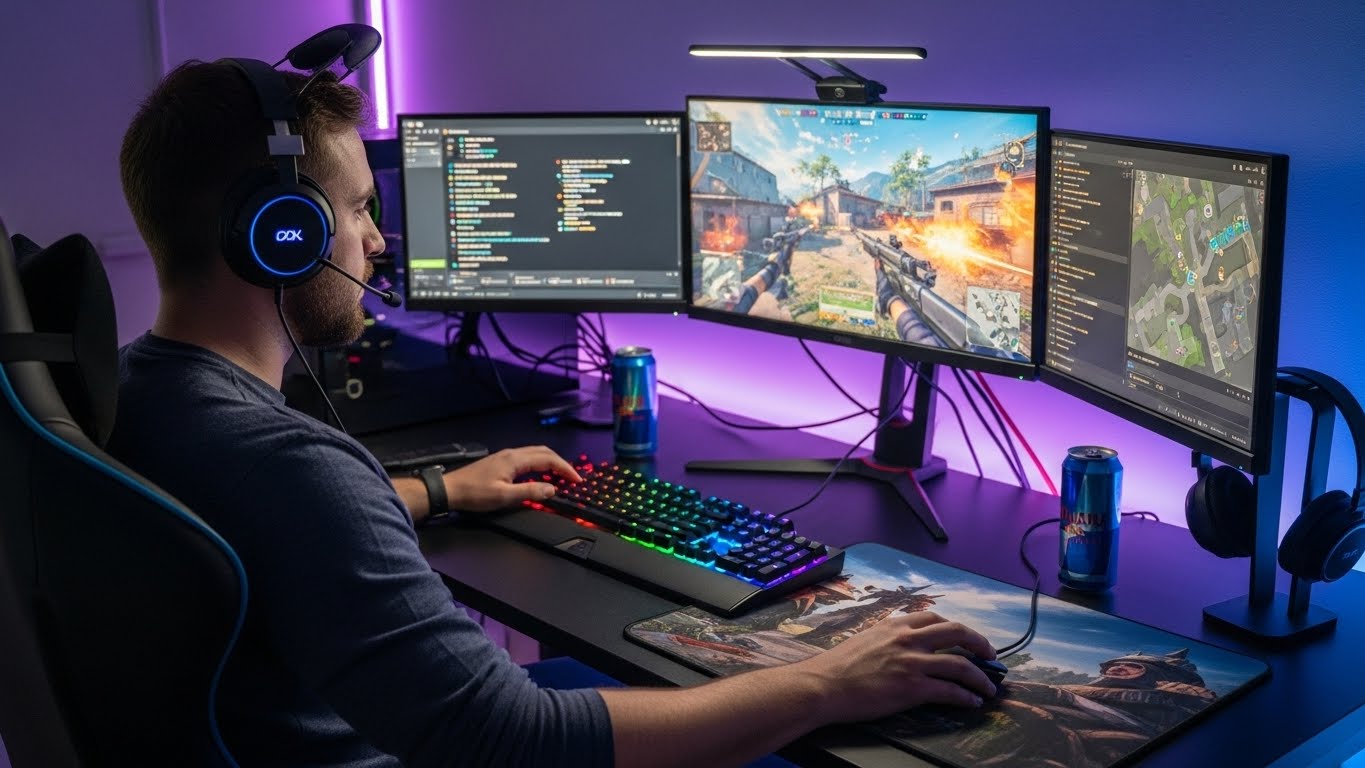
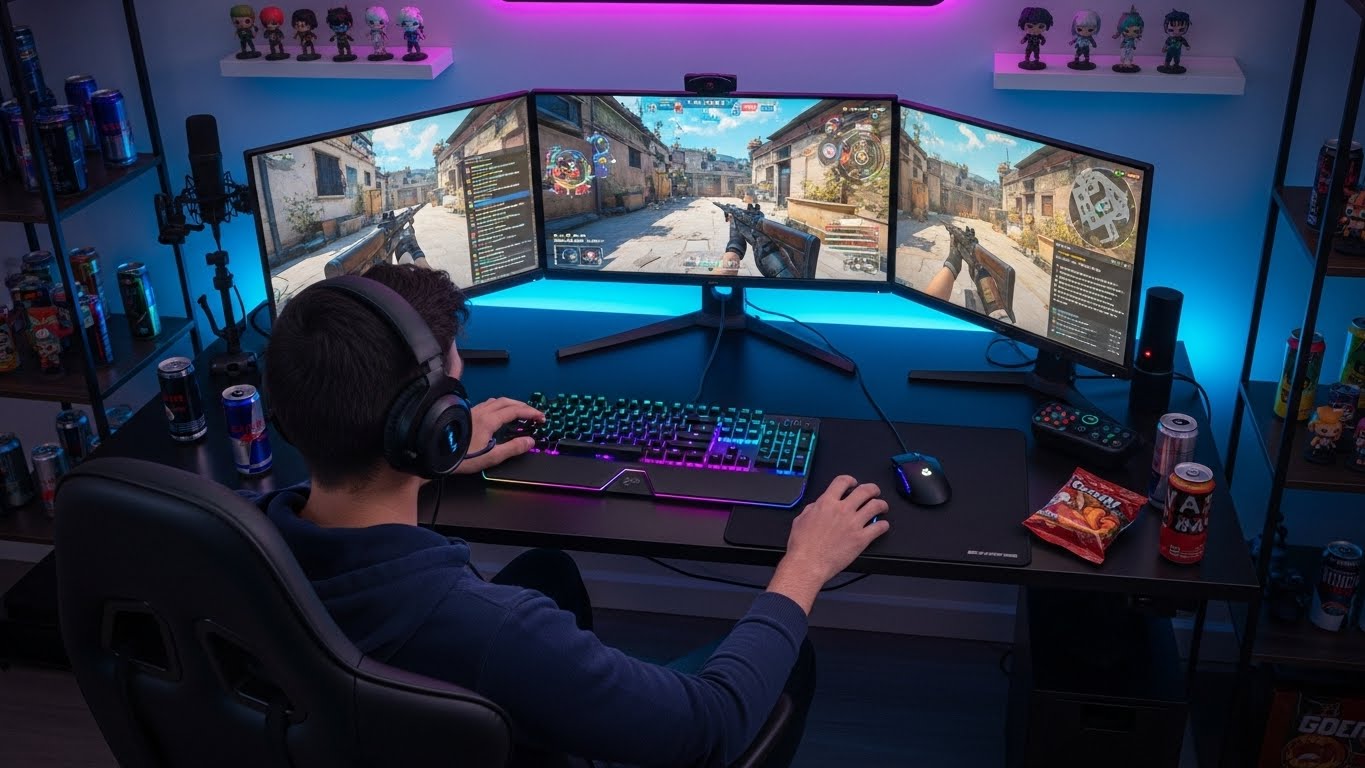
Gaming has grown from a niche hobby into a global cultural phenomenon. What began as simple arcade games and pixelated consoles has now evolved into a multi-billion-dollar industry that influences technology, art, and social interaction. Today, gaming is not just a form of entertainment; it is a medium for storytelling, creativity, learning, and social connection. Across the globe, millions of players engage in virtual worlds that challenge their skills, ignite their imaginations, and foster communities. This blog explores the evolution of gaming, its technological advancements, cultural impact, and why it has become a defining aspect of modern life.
The Evolution of Gaming Technology
The technological evolution of gaming is nothing short of remarkable. In the early years, games like Pong or Space Invaders offered simple mechanics and graphics, yet captured the attention of millions. As technology advanced, consoles and personal computers enabled more complex gameplay, realistic visuals, and richer narratives. Today, gaming leverages high-performance graphics, advanced artificial intelligence, and interactive physics engines to create immersive worlds. Virtual reality and augmented reality have further enhanced this experience, allowing players to step into digital environments and interact with them in ways that feel lifelike. Motion sensors, haptic feedback, and cloud gaming technologies now make gaming more interactive, accessible, and engaging than ever before.
Storytelling in Modern Games
Storytelling has become a cornerstone of modern gaming. Unlike traditional media, where audiences are passive, video games allow players to actively participate in narratives. Role-playing games, adventure games, and narrative-driven experiences immerse players in compelling stories where their choices shape outcomes. Decisions made during gameplay can lead to different endings, character developments, and plot twists, creating a personalized journey for each player. This level of interactivity fosters emotional engagement and critical thinking, making gaming a unique storytelling medium. By blending narrative with gameplay, developers have created experiences that rival literature and film in depth and complexity.
The Rise of Competitive Gaming and Esports
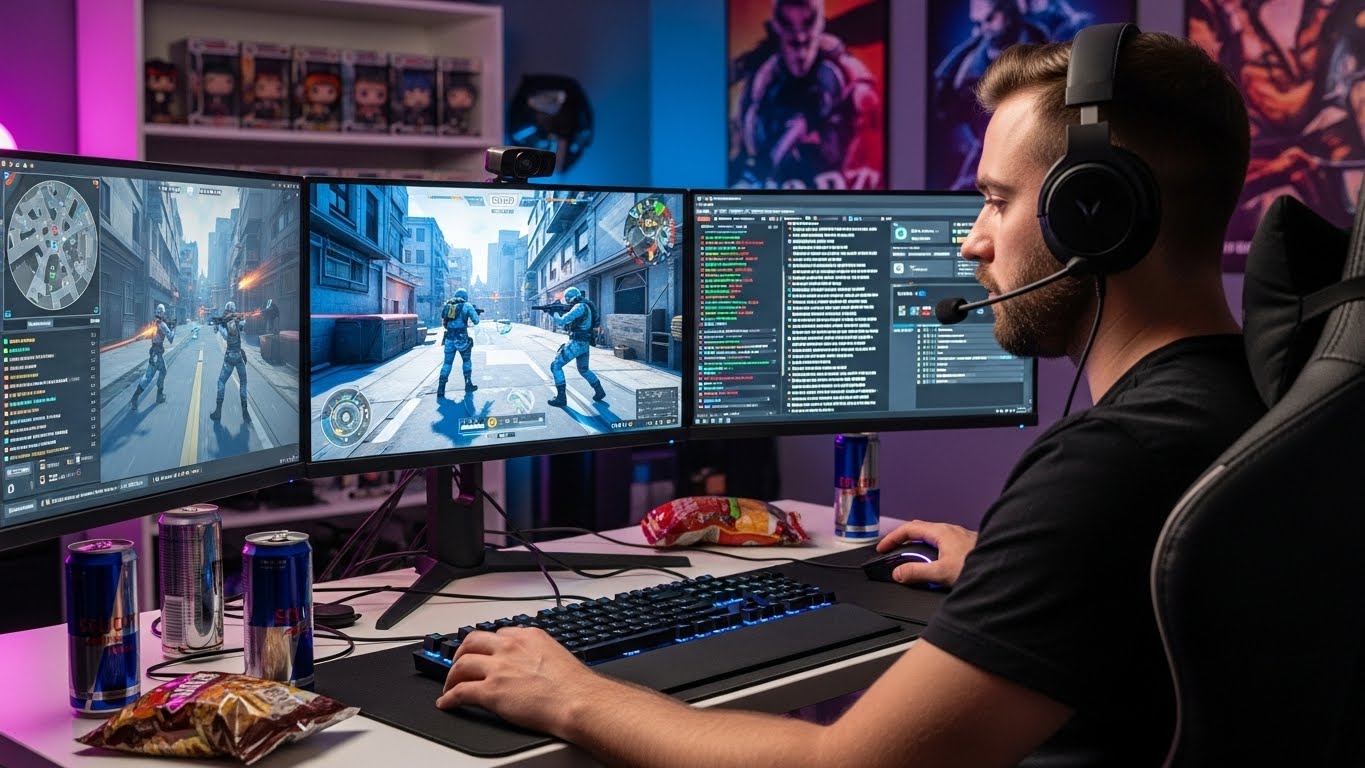
Competitive gaming, or esports, has emerged as a global spectacle. Professional players train rigorously to compete in tournaments watched by millions worldwide. Esports demands strategy, precision, teamwork, and mental resilience. It has also created career opportunities beyond playing, including coaching, commentary, and analytics. The rise of esports demonstrates that gaming requires discipline and skill, elevating it from casual entertainment to a respected professional pursuit. It also unites players and fans globally, fostering communities around shared excitement, competition, and strategy.
Gaming as a Social Platform
Gaming today is more than just a personal activity; it is a social experience. Online multiplayer games connect people across continents, allowing collaboration, competition, and communication. Cooperative missions encourage teamwork, problem-solving, and strategic planning, while social hubs within games offer spaces for players to interact and share experiences. Players form friendships, join guilds, and participate in virtual events, creating communities that transcend physical boundaries. Gaming also offers an outlet for self-expression through customizable avatars, in-game creations, and shared achievements. For many, gaming is not just a hobby—it is a platform for social connection and collaboration.
Creativity and Innovation in Gaming
Gaming nurtures creativity in multiple ways. Many games allow players to design characters, craft worlds, and create unique stories, transforming them into virtual creators. Sandbox games, in particular, offer limitless freedom for experimentation and expression. Beyond gameplay, the development of games itself is a highly creative process, blending art, music, writing, and programming. Independent developers contribute innovative ideas that challenge conventional gaming norms and introduce fresh experiences. Moreover, fans often engage in creative endeavors such as fan art, cosplay, and streaming, further expanding gaming’s influence as a hub of innovation and imagination.
Educational Potential of Games
Games have proven to be powerful educational tools. They can enhance cognitive skills, problem-solving, and strategic thinking. History-based games immerse players in real-world events, while simulation games teach resource management and decision-making. Puzzle and strategy games improve logical reasoning, planning, and adaptability. Some games also help develop language skills, teamwork, and critical thinking. Educational institutions are increasingly recognizing gaming’s potential to make learning engaging and interactive. By combining entertainment with educational content, games inspire curiosity and enhance the learning experience for players of all ages.
Cognitive and Mental Benefits
Beyond education, gaming offers numerous cognitive and mental benefits. Fast-paced action games improve hand-eye coordination, reflexes, and multitasking abilities. Strategy games enhance problem-solving, planning, and analytical thinking. Role-playing games foster patience, creativity, and long-term decision-making. Gaming also provides stress relief and a sense of accomplishment, allowing players to escape from daily pressures and engage in immersive, rewarding experiences. When approached in moderation, gaming contributes positively to mental health, cognitive development, and emotional well-being.
Challenges in the Gaming Industry
Despite its growth, the gaming industry faces challenges. Online harassment, toxic behavior, and addiction are significant concerns that impact players’ experiences. Developers are addressing these issues through better moderation, community guidelines, and parental controls. Economic barriers also exist, as high-end gaming systems and accessories can be expensive. To counter this, cloud gaming and cross-platform play are increasing accessibility, allowing more players to enjoy high-quality experiences without costly hardware. Balancing monetization with player satisfaction, safety, and inclusivity remains a continuous challenge for the industry.
Cultural Impact of Gaming
Gaming has become a major cultural influence. Characters, storylines, and game-inspired music impact fashion, entertainment, and social media. Games inspire movies, books, and creative projects, while fan communities produce art, videos, and events celebrating their favorite titles. Gaming also exposes players to diverse cultures, ideas, and perspectives, fostering empathy and global understanding. Social events such as conventions and tournaments highlight the widespread cultural significance of gaming, demonstrating that it has transcended its origins as a form of entertainment to become a powerful social and cultural force.
The Future of Gaming
The future of gaming promises even greater innovation. Emerging technologies such as artificial intelligence, virtual reality, and augmented reality will continue to enhance immersion and interactivity. Cloud-based platforms and cross-platform play will make games more accessible, connecting players across devices. Gaming may also expand into fields such as education, healthcare, and virtual collaboration, offering new ways to learn, train, and solve real-world problems. As technology evolves, gaming will increasingly shape how people interact with digital spaces, pushing the boundaries of entertainment, creativity, and social connection.
Conclusion: Gaming as a Transformative Experience
Gaming is far more than a pastime; it is a transformative medium that blends technology, storytelling, creativity, and social interaction. It challenges the mind, nurtures imagination, and fosters global communities. With its growing cultural influence and technological innovations, gaming is shaping the way people learn, connect, and experience digital worlds. Whether played casually or competitively, gaming offers experiences that inspire, entertain, and empower players. It stands as a celebration of creativity, innovation, and human connection, inviting everyone to explore the limitless possibilities of interactive digital worlds.