
Introduction
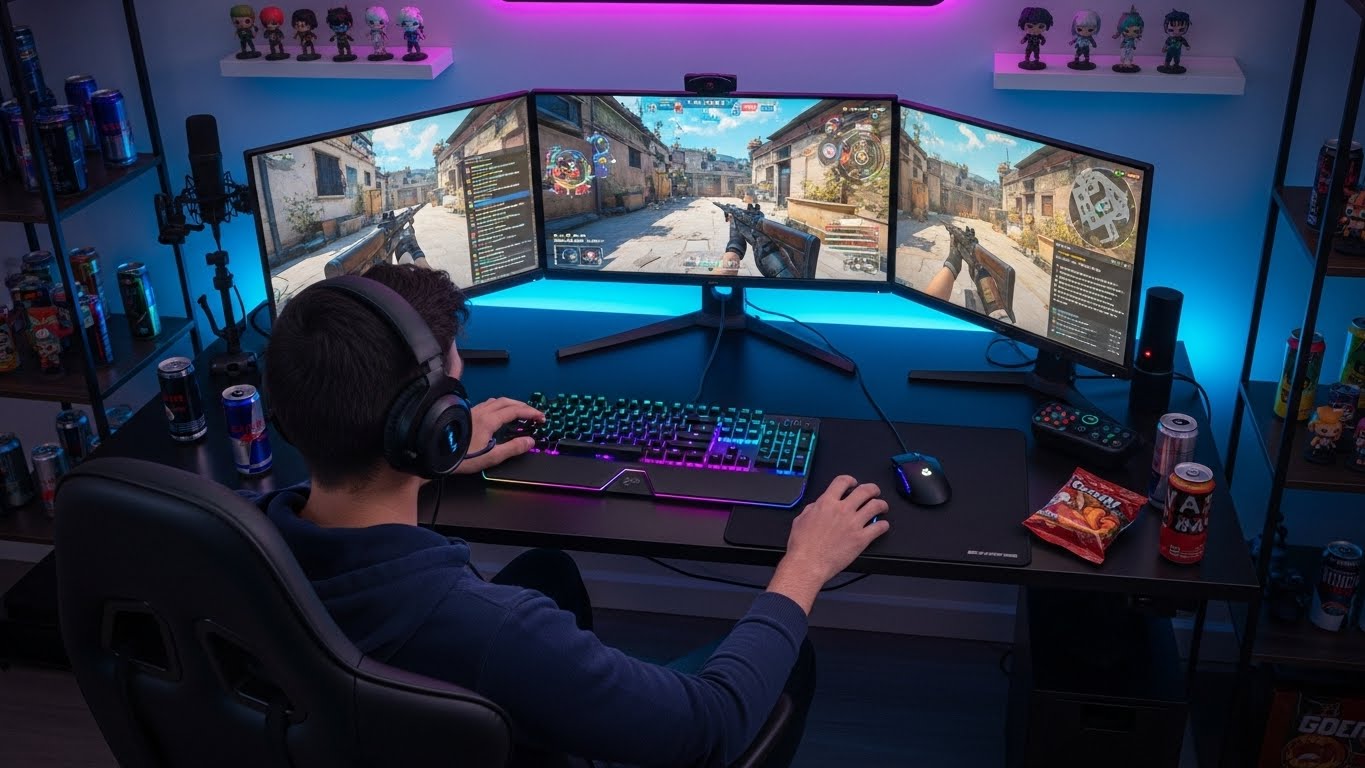
Gaming has evolved far beyond a simple pastime to become a cultural and technological phenomenon that impacts millions of people worldwide. From retro arcade games to immersive modern experiences, gaming has grown into a multi-billion-dollar industry that influences social interactions, creativity, and even education. Today, gaming is not just a form of entertainment—it is a medium for storytelling, competition, and personal development. This blog explores the evolution of gaming, its cultural impact, technological advancements, and the role it plays in modern society.
The Origins of Gaming
Gaming began as simple entertainment with titles such as Pong and Space Invaders, which offered basic graphics and straightforward gameplay. Early video games provided fun and competition for a growing audience of enthusiasts. The introduction of home consoles and personal computers expanded access, allowing people to enjoy games outside arcades. These early innovations set the stage for the complex, immersive experiences we see today, and they laid the foundation for the communities and cultures that gaming would later foster.
The Evolution of Gaming Technology
Technology has been the driving force behind the evolution of gaming. From 8-bit graphics to realistic 3D worlds, games have become increasingly immersive and visually stunning. Advances in processors, graphics cards, and game engines have enabled developers to create lifelike environments, intricate storylines, and complex physics simulations. Motion controls, virtual reality, and augmented reality have further enhanced interactivity, allowing players to physically engage with digital worlds. This constant technological innovation has made gaming more engaging and accessible to a broader audience.
Gaming as a Cultural Phenomenon
Gaming has grown into a major cultural force. It influences fashion, music, and social trends, creating a shared language and identity among players. Online communities, conventions, and fan events foster connections and celebrate shared passion for games. Esports tournaments draw millions of viewers worldwide, turning top players into global celebrities. The cultural impact of gaming extends beyond entertainment; it has become a platform for artistic expression, social engagement, and even political commentary.
Storytelling in Games
Modern games are powerful storytelling mediums. Unlike traditional media, games allow players to actively participate in narratives, making choices that affect outcomes. Games often explore complex themes such as morality, identity, and heroism, creating deep emotional experiences. Interactive storytelling gives players a sense of agency and personal investment, which can be more engaging than passive consumption of movies or books. Titles with strong narratives inspire empathy, reflection, and creativity, demonstrating that gaming can be a form of art as well as entertainment.
The Impact of Open-World Games
Open-world games have redefined player freedom and exploration. Unlike linear games, these worlds allow players to roam vast landscapes, complete optional quests, and interact with dynamic environments at their own pace. This freedom encourages creativity, strategic thinking, and immersion. Advanced AI, realistic ecosystems, and dynamic weather systems make these virtual worlds feel alive. Open-world design exemplifies how games can provide unique, personalized experiences, letting players craft their own stories within the framework of the game.
Multiplayer Gaming and Social Interaction
Online multiplayer gaming has transformed gaming into a social activity. Players can collaborate, compete, and communicate with friends and strangers worldwide. Cooperative gameplay promotes teamwork and problem-solving, while competitive matches enhance strategic thinking and reflexes. Online communities extend beyond the games themselves, creating social bonds, fan content, and shared experiences. For many players, these social interactions are a major draw, making gaming not only a personal hobby but also a community-centered experience.
The Rise of Esports
Esports has brought competitive gaming to a professional level. Professional players train extensively to master skills, strategies, and teamwork, often rivaling athletes in traditional sports. Major tournaments attract massive audiences and offer significant prize money, turning esports into a viable career. The rise of esports also showcases gaming’s ability to unite global audiences, create entertainment spectacles, and develop highly skilled professionals in a digital arena.
Mobile Gaming and Accessibility
Mobile gaming has democratized access to interactive entertainment. Smartphones allow millions of people to play games anywhere, anytime, without the need for expensive consoles or PCs. Casual games appeal to broad audiences, while complex strategy and role-playing games offer deeper experiences. Mobile gaming has expanded the demographic of players, introducing new communities and fostering engagement across age groups and regions. Its accessibility demonstrates the power of gaming to reach and entertain virtually anyone with a digital device.
Virtual Reality and Augmented Reality
Virtual reality and augmented reality represent the next frontier in gaming immersion. VR headsets place players directly inside virtual worlds, allowing them to interact naturally with environments. Augmented reality overlays digital elements onto real-world settings, creating hybrid experiences. These technologies redefine player interaction, offering unique experiences that challenge traditional boundaries of play. VR and AR also open possibilities for education, training, and therapeutic applications, demonstrating the versatile potential of gaming.
Educational and Cognitive Benefits of Gaming
Gaming is more than entertainment; it offers cognitive and educational benefits. Strategy and puzzle games enhance problem-solving, decision-making, and critical thinking. Multiplayer games develop communication, collaboration, and social skills. Story-driven games foster empathy, perspective-taking, and emotional intelligence. Educational titles introduce topics such as science, mathematics, and history in interactive ways that can enhance retention and engagement. These benefits show that gaming can be a tool for personal development and learning.
Creativity and Player-Generated Content
Modern games encourage creativity through player-generated content. Modding, level creation, and custom designs allow players to expand the game world, share creations, and innovate. Communities around player-created content foster collaboration, inspiration, and recognition for creativity. Streaming platforms further amplify these efforts, turning gameplay into entertainment and artistic expression. Gaming has become participatory, empowering players not just to consume content but to actively contribute to it.
Mental Health and Well-Being
Gaming can have a positive impact on mental health when engaged in responsibly. It provides relaxation, stress relief, and a sense of accomplishment. Multiplayer interactions reduce isolation, while story-driven games stimulate emotional reflection. Games also promote resilience, strategic thinking, and problem-solving skills. While moderation is essential, gaming can contribute to overall well-being, offering a balance of challenge, creativity, and social interaction.
Challenges in the Gaming Industry
Despite its growth, the gaming industry faces challenges. Toxic online behavior, exploitative monetization, and developer burnout are issues that require attention. Inclusivity and diversity remain priorities to ensure equitable access and representation. Ethical practices in development, marketing, and community management are essential for sustaining a healthy gaming ecosystem. Addressing these challenges is critical to maintaining gaming as a positive, enjoyable, and innovative industry.
The Future of Gaming
The future of gaming promises innovation, immersion, and global engagement. Emerging technologies like artificial intelligence, cloud gaming, and advanced VR/AR interfaces will redefine gameplay experiences. Games will become more adaptive, personalized, and inclusive, reaching audiences in ways previously unimaginable. As the industry continues to grow, gaming will increasingly influence culture, education, and entertainment, shaping the way people connect, create, and experience digital worlds.
Conclusion
Gaming has transformed from a simple form of entertainment into a multifaceted cultural, social, and technological force. It offers immersive storytelling, strategic challenges, and opportunities for creativity, learning, and social connection. Gaming fosters innovation, personal growth, and community engagement, demonstrating its value far beyond leisure. As technology advances and communities expand, gaming will continue to redefine entertainment and enrich lives worldwide. It is a testament to human creativity, curiosity, and the enduring power of play.