
Introduction: A New Age of Digital Worlds
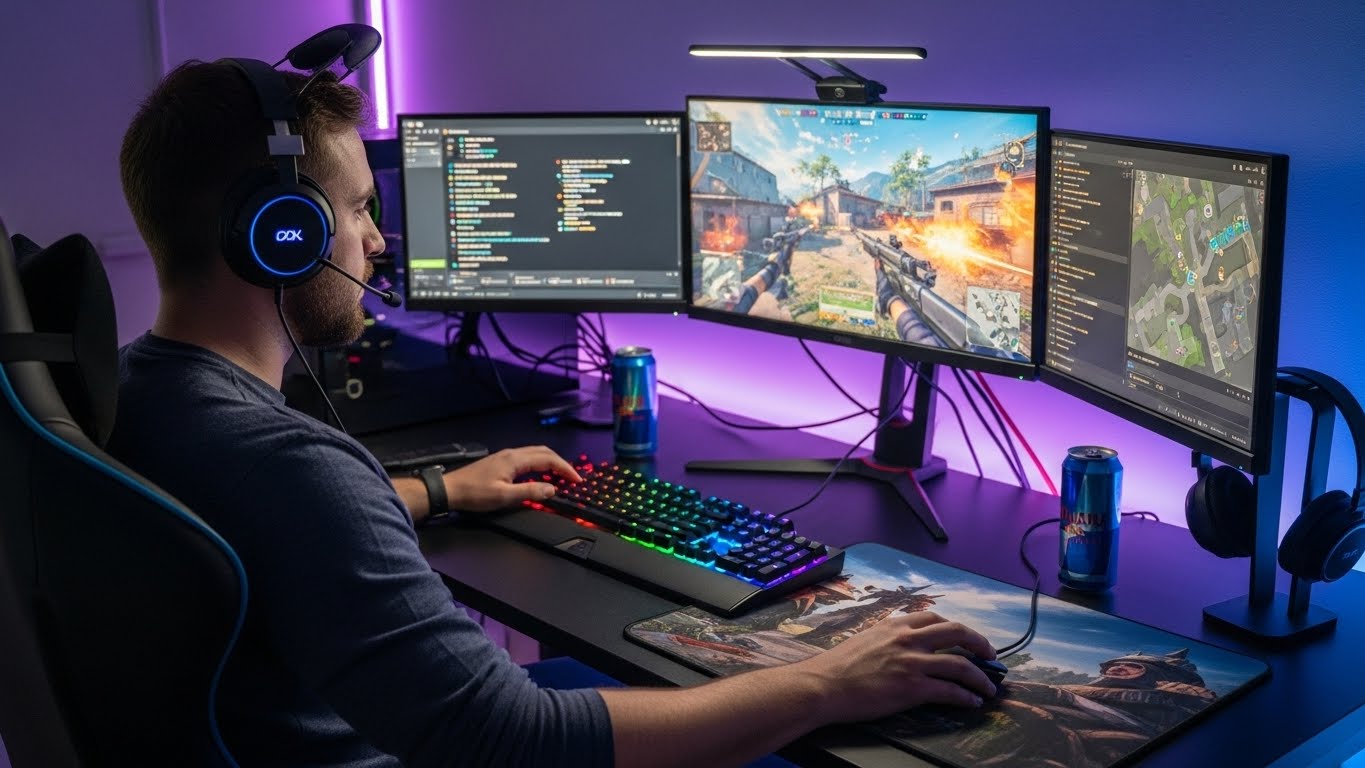
Gaming has come a long way from the pixelated screens and simple beeps of early arcade machines. Today, it stands as a dynamic, immersive medium that combines storytelling, artistry, technology, and social interaction in ways no other form of entertainment can match. The modern gaming landscape invites players into expansive digital universes where actions shape destinies, communities flourish, and creativity thrives. This blog explores the evolving culture, technology, and impact of gaming, shining light on why it has become one of the most powerful entertainment industries of our time.
The Rise of Immersive Storytelling
One of the most striking changes in gaming is the depth of storytelling. Gone are the days when narratives existed only as background fillers. Today’s games blur the line between interactive experiences and cinematic masterpieces. Characters are no longer one-dimensional heroes but complex personalities with layered motivations. Worlds are crafted with meticulous detail, and plots unfold through choices the player makes, giving a sense of agency that traditional media cannot offer.
Story-driven games now rival books and films in emotional impact. Players can experience loss, triumph, moral dilemmas, and deep connections with non-playable characters. This interactive storytelling fosters an intimate bond between player and world, creating memorable experiences that linger long after the game ends.
How Technology Continues to Transform the Gaming Experience
Advancements in technology have pushed gaming into realms once considered impossible. High-resolution graphics, real-time rendering, and advanced physics engines have revolutionized how games look and feel. Modern consoles and gaming PCs bring lifelike visuals to screens, making environments appear richly textured and vibrant.
But technology is not limited to visuals. Artificial intelligence has improved enemy behavior, NPC interactions, and procedural generation, creating worlds that adapt and feel alive. Sound design has become more intricate, with spatial audio enabling players to hear footsteps behind them or the wind rustling through digital trees. These innovations contribute to a level of immersion that makes gaming increasingly compelling and realistic.
The Growth of Online Communities and Multiplayer Universes
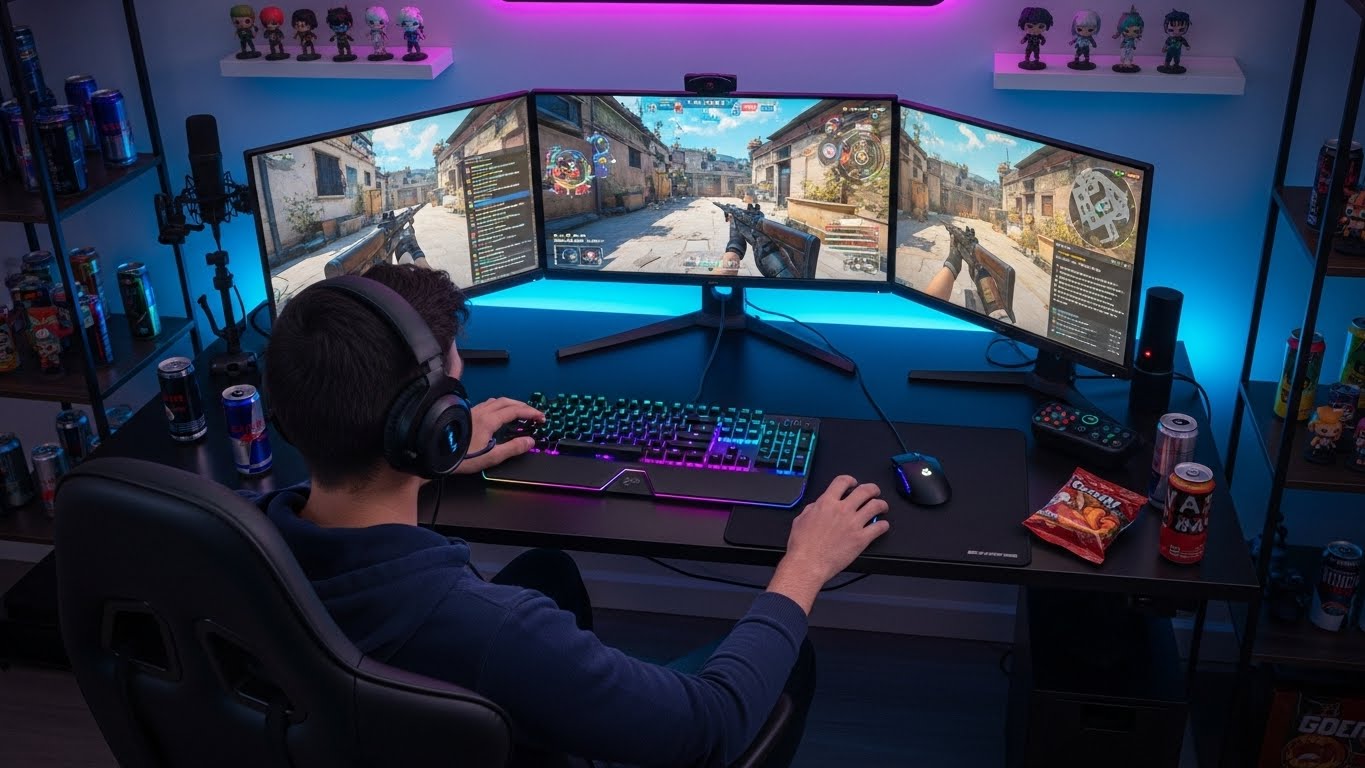
Online gaming has become a cornerstone of the industry, connecting players across continents. What was once a solitary hobby has transformed into a global social experience. Multiplayer games allow individuals to form teams, compete in tournaments, or simply explore open worlds together.
Communities form around shared interests, strategies, and in-game events. Players make long-lasting friendships, join guilds, and sometimes even develop real-world relationships originating from virtual interactions. The rise of voice chat, in-game messaging, and community forums has strengthened these bonds, making gaming a powerful platform for connection and collaboration.
This virtual togetherness has redefined what it means to play, turning gaming into a social ecosystem that thrives on communication and teamwork.
Esports: When Gaming Becomes a Competitive Arena
The growth of esports has elevated gaming from a casual hobby to a professional sport. Players train rigorously, sharpening skills and strategies in pursuit of competition. These digital athletes participate in tournaments watched by millions, showcasing hours of practice, precision, and teamwork.
Esports has created new career pathways, from professional players and coaches to analysts, commentators, and event organizers. The industry’s rapid expansion shows how deeply gaming has penetrated mainstream culture, with competitive matches becoming spectacles that rival traditional sports in excitement and viewership.
The Cultural Impact of Gaming
Gaming’s influence extends well beyond the screen. It shapes music, fashion, art, and storytelling across various media. Characters and franchises have become cultural icons, inspiring merchandise, movies, and television adaptations. Game soundtracks are performed by orchestras, and conventions gather fans in celebration of their favorite worlds.
Beyond entertainment, gaming has become a tool for education, therapy, and social awareness. Schools use game-based learning to engage students, while therapists employ interactive games for rehabilitation or stress relief. Developers craft experiences that explore themes like mental health, environmental conservation, and cultural identity, using gameplay as a powerful medium to spark conversations and empathy.
Indie Developers and the Power of Creative Freedom
While major studios dominate the industry, indie developers have carved a significant space of their own. These smaller creators often take risks big companies avoid, crafting unique gameplay mechanics, artistic visuals, and unconventional narratives. Their creativity drives innovation and expands what gaming can be.
Indie titles demonstrate that a game doesn’t need massive budgets to captivate audiences. With passion, originality, and a compelling vision, developers can produce experiences that resonate deeply with players. This independent spirit continues to push the limits of gaming, encouraging diversity in both ideas and voices.
The Future of Gaming: What Comes Next?
The gaming landscape continues to evolve at a rapid pace, and the future promises even more groundbreaking changes. Virtual reality and augmented reality are becoming more accessible, offering new levels of immersion where the physical and digital worlds blend seamlessly. Cloud gaming is removing hardware barriers, enabling players to enjoy high-quality games on almost any device.
Artificial intelligence may soon personalize gaming experiences even further, adapting storylines and gameplay based on individual preferences. Players could encounter worlds shaped in real time by their choices, emotions, and playstyle. As technology progresses, the line between game and reality will continue to blur, offering experiences more vivid and interactive than ever before.
Why Gaming Resonates with Players of All Ages
Gaming appeals to diverse audiences because it offers something for everyone. Whether it’s the thrill of competition, the wonder of exploration, or the satisfaction of solving puzzles, players can choose experiences that match their interests and personality.
Younger generations enjoy the excitement and creativity of digital play, while adults find relaxation, challenge, or nostalgia in the games they love. Families bond over co-op adventures, and friends stay connected across distances through shared gaming sessions. The inclusivity of gaming ensures its continuing growth across demographics.
Conclusion: The Boundless Universe of Play
The world of gaming is more than entertainment. It is a vibrant, ever-evolving universe that celebrates creativity, connection, and innovation. From compelling stories and stunning technology to thriving communities and competitive arenas, gaming redefines how we interact with digital experiences.
As games continue to evolve, they will undoubtedly shape the future of entertainment and human expression. For players, developers, and enthusiasts alike, the journey through this digital frontier has only just begun. Gaming is not merely a pastime; it is a culture, an art form, and a testament to the limitless potential of interactive imagination.