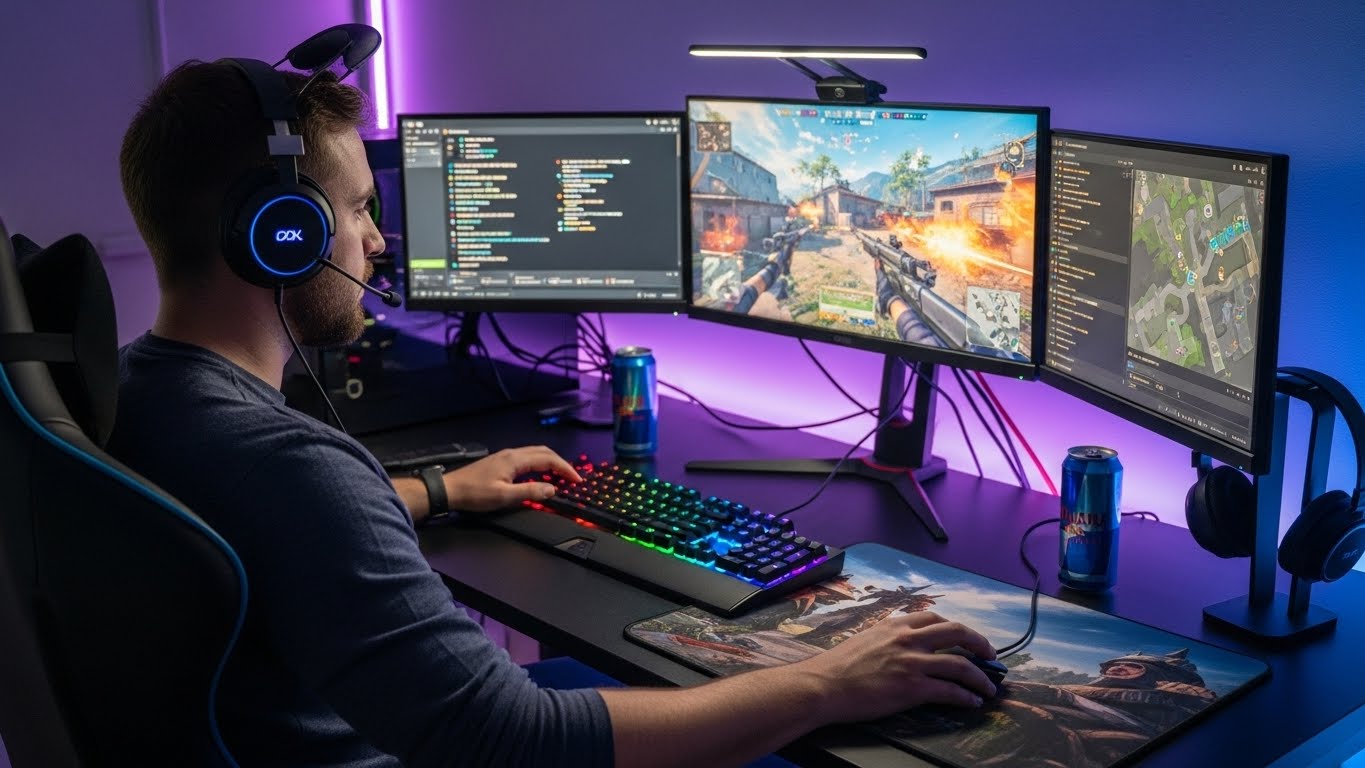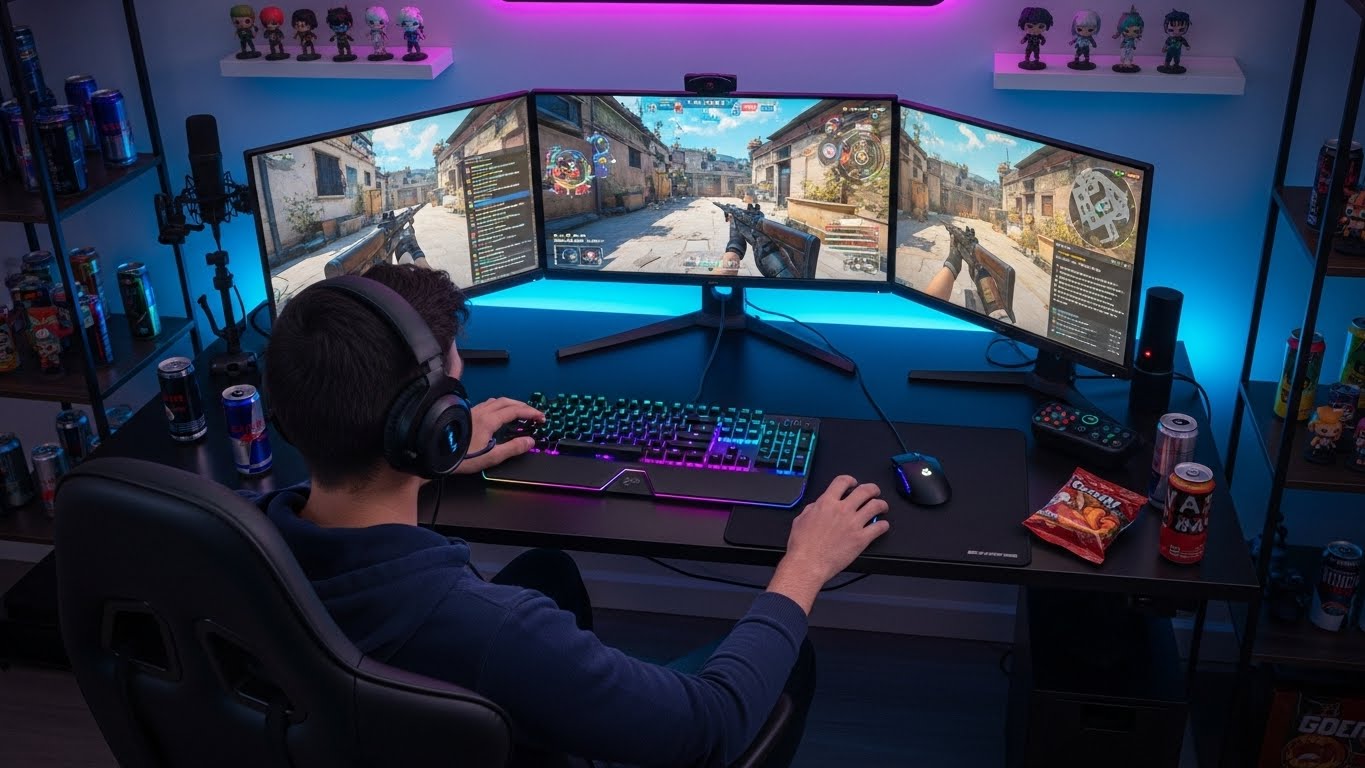
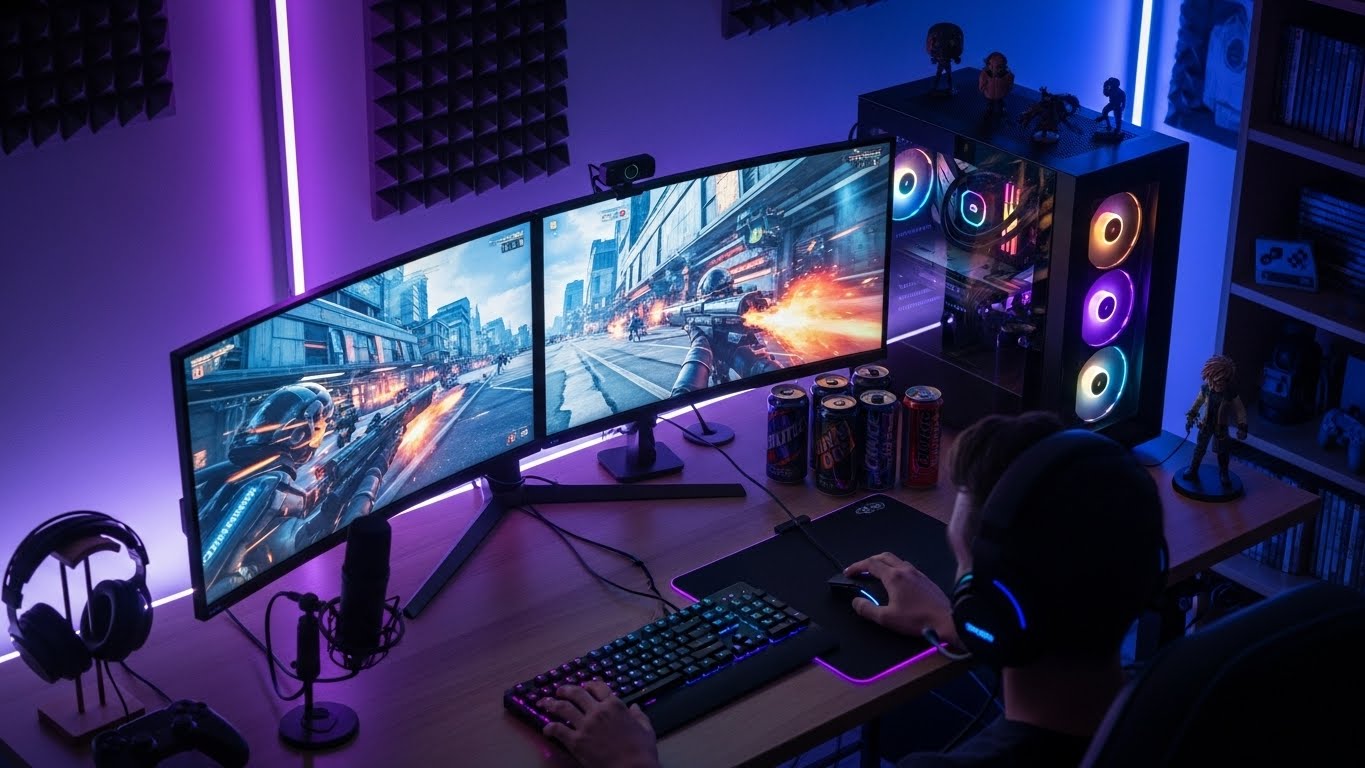
Gaming has evolved from a simple pastime to an immersive, multi-billion-dollar global industry. Over the last few decades, it has expanded far beyond its early roots as a niche form of entertainment into a cultural juggernaut that touches every part of our lives. What once started as basic arcade machines and home consoles has transformed into a vast digital ecosystem, where players can interact with each other in shared virtual spaces, compete in massive online tournaments, and engage with stories in ways never seen before. This blog will explore the evolution of gaming, its cultural impact, and where it is heading in the future.
The Beginnings of Gaming: From Arcades to Home Consoles
The history of gaming can be traced back to the 1950s and 1960s when the first rudimentary video games were created on early computer systems. However, it wasn’t until the 1970s that the gaming industry began to take shape with the advent of arcade machines. Games like Pong (1972), developed by Atari, offered a simple two-player tennis-like experience that was easy to learn but difficult to master. This accessibility drew people into arcades, where they could compete against friends and strangers alike.
In the early 1980s, home consoles started to become more popular. Companies like Nintendo, Sega, and Atari began to develop gaming systems that could be played at home. This revolutionized the way people experienced games. Games like Super Mario Bros. and Pac-Man became cultural phenomena, helping to solidify the importance of video gaming in mainstream entertainment.
The Golden Age of Gaming: 16-Bit and Beyond
As the 1990s dawned, the gaming world underwent a massive transformation. The shift from 8-bit to 16-bit graphics offered players a more detailed and visually appealing experience. The release of the Super Nintendo Entertainment System (SNES) and Sega Genesis introduced gamers to iconic titles like The Legend of Zelda: A Link to the Past and Sonic the Hedgehog. These games were no longer just about simple gameplay mechanics; they offered complex narratives, intricate level designs, and captivating music that made gaming feel like an art form.
This era also marked the beginning of the “console wars” between gaming giants Sony, Microsoft, and Nintendo. In 1994, Sony entered the scene with the PlayStation, forever changing the gaming landscape with the introduction of 3D graphics. Games like Final Fantasy VII and Metal Gear Solid elevated gaming to new heights, offering cinematic storytelling, complex characters, and cutting-edge gameplay mechanics that were previously unseen.
Meanwhile, Nintendo continued to innovate with its hardware and game design, producing titles like Super Mario 64 and The Legend of Zelda: Ocarina of Time. These games set new standards for what 3D environments in games could look like, and they have since become benchmarks in gaming history.
The Online Revolution: The Rise of Multiplayer Gaming
The early 2000s ushered in a new era of gaming with the rise of online multiplayer experiences. The ability to connect to the internet opened the door for players to compete with one another in virtual spaces, transcending geographic barriers. Halo 2 for the original Xbox, released in 2004, was one of the first games to bring large-scale online multiplayer to consoles in a significant way. Gamers could now join forces in massive battles, creating a more social, competitive experience.
This era also saw the rise of PC gaming, particularly with titles like World of Warcraft, which launched in 2004 and quickly became one of the most successful online role-playing games ever made. World of Warcraft allowed players to explore a vast virtual world, complete quests, and engage in large-scale player-versus-player battles. The game’s popularity led to the growth of the esports industry, where professional players could compete for large cash prizes.
The emergence of online gaming also paved the way for new forms of interaction, including game streaming and social platforms. Services like Steam provided players with access to thousands of games at the click of a button, while platforms like Twitch allowed gamers to broadcast their gameplay to audiences worldwide. This shift not only changed how games were consumed but also created an entirely new ecosystem around gaming.
The Impact of Gaming on Culture and Society
Video games have had a profound impact on society, influencing everything from social interactions to the economy. Gaming has become a social activity for millions of people worldwide. Online communities form around shared interests, where players can chat, collaborate, and share experiences in real-time. This social aspect has been especially significant for younger generations, who often view gaming as a way to bond with friends, much like traditional social activities such as sports or movie nights.
Furthermore, the esports industry has grown exponentially, with tournaments attracting millions of viewers globally. Competitive gaming is now recognized as a legitimate sport, with professional teams, sponsorships, and major media coverage. Games like League of Legends, Fortnite, and Dota 2 have turned esports into a global phenomenon, with top players earning millions of dollars from tournaments and sponsorship deals.
Gaming has also influenced mainstream culture. Iconic game characters like Mario, Sonic, and Lara Croft have become household names, appearing in films, TV shows, and comic books. The gaming community has produced its own culture, complete with memes, conventions (like E3 and PAX), and fandoms that celebrate favorite titles and characters. The creative possibilities within gaming have led to an explosion of fan-made content, from mods that alter games to fan art and original storytelling.
The Psychological and Cognitive Benefits of Gaming
While video games have often been criticized for encouraging antisocial behavior or promoting violence, recent studies have begun to reveal the potential psychological and cognitive benefits of gaming. Many games require critical thinking, problem-solving, and multitasking skills, which can improve cognitive abilities in players. For example, puzzle games like Tetris or Portal require players to think strategically, while action games like Call of Duty and Overwatch help improve hand-eye coordination and reflexes.
Furthermore, multiplayer online games often require teamwork and communication, helping players develop social skills and learn to collaborate with others toward a common goal. Many games also offer a sense of accomplishment and progression, which can boost self-esteem and motivation. In fact, games like The Sims and Animal Crossing allow players to engage in low-stakes, relaxing activities, offering a reprieve from the stress of everyday life.
Additionally, games have been increasingly used in education, providing interactive and immersive learning experiences. Educational games can help children learn subjects like math, history, and language, while games like Minecraft are being used in schools to teach creativity, problem-solving, and teamwork.
The Future of Gaming: Virtual Reality, Artificial Intelligence, and Beyond
As we look to the future of gaming, technological advancements promise to continue transforming the industry in exciting ways. One of the most anticipated developments is the rise of Virtual Reality (VR) and Augmented Reality (AR). These technologies allow players to immerse themselves in virtual worlds with unprecedented realism. VR headsets like the Oculus Rift, HTC Vive, and PlayStation VR have already made significant strides in making virtual gaming experiences more accessible, and as hardware improves, we can expect even more lifelike and engaging virtual environments.
Additionally, advancements in Artificial Intelligence (AI) will allow for more complex and dynamic interactions within games. NPCs (non-playable characters) will become smarter, responding to player actions in more realistic and meaningful ways. In the future, games may be able to adapt in real-time to a player’s decisions, creating personalized storylines and experiences.
Cloud gaming is another area of growth. Services like Google Stadia, Xbox Cloud Gaming, and NVIDIA GeForce Now allow players to stream games directly to their devices without needing powerful hardware. This could revolutionize the accessibility of gaming, allowing people to play high-quality games on a range of devices, from smartphones to low-end laptops.
Finally, with the rise of AI, we could see more sophisticated storytelling and immersive worlds where player decisions have lasting consequences. Games like The Witcher 3 and Red Dead Redemption 2 have set a high bar for narrative-driven games, but AI could take this even further, creating more dynamic and personalized stories.
Conclusion
Gaming has come a long way since its humble beginnings in arcades and on early home consoles. It has evolved into a multifaceted, global industry that shapes culture, entertainment, and technology. From the competitive esports scene to the rise of immersive virtual worlds, gaming has become an essential part of our daily lives. As technology continues to advance, the future of gaming holds exciting possibilities that will continue to push the boundaries of what interactive entertainment can be.
Whether you’re a casual player, a hardcore gamer, or someone who simply appreciates the art form, it’s clear that gaming has become a central part of modern culture. As we look to the future, one thing is certain: the world of gaming is only going to get bigger, more diverse, and even more thrilling. The next generation of gamers is ready, and the games of tomorrow will be more immersive, more innovative, and more connected than ever before.