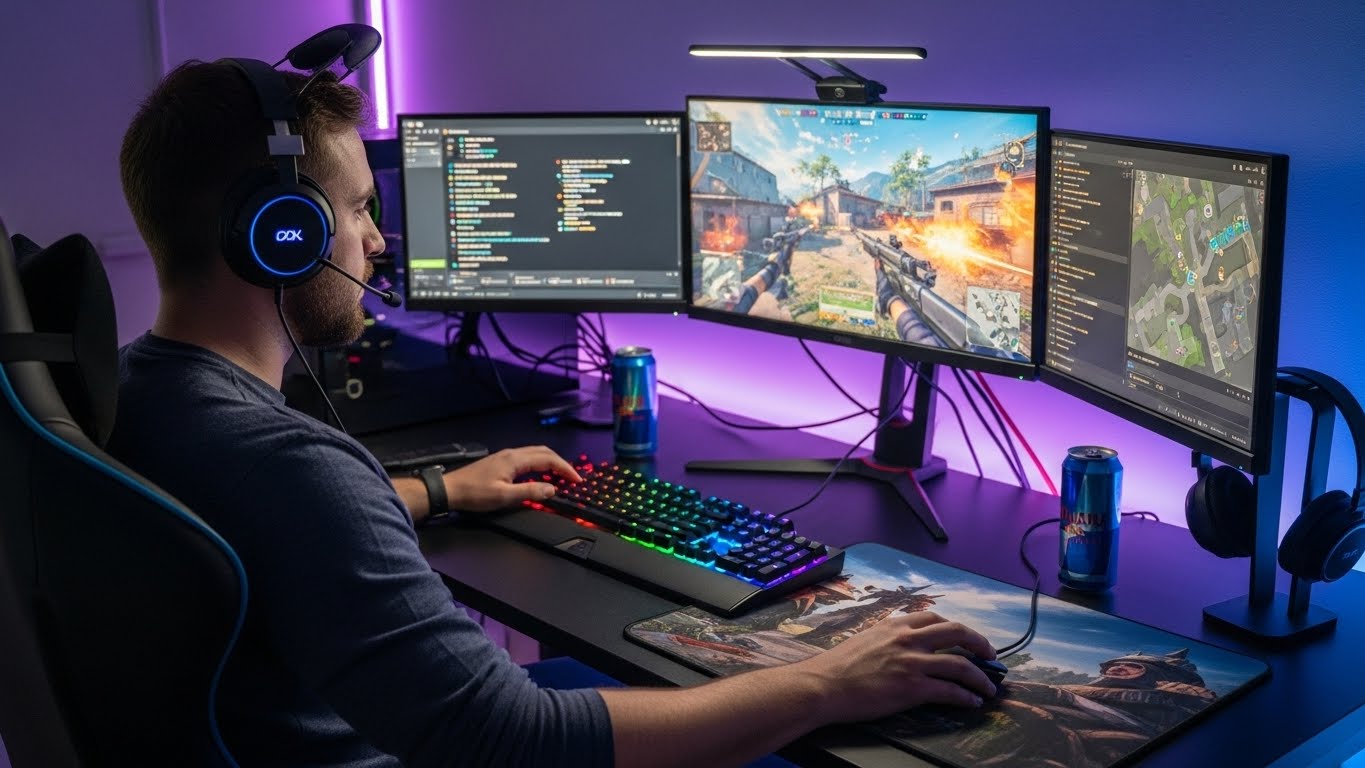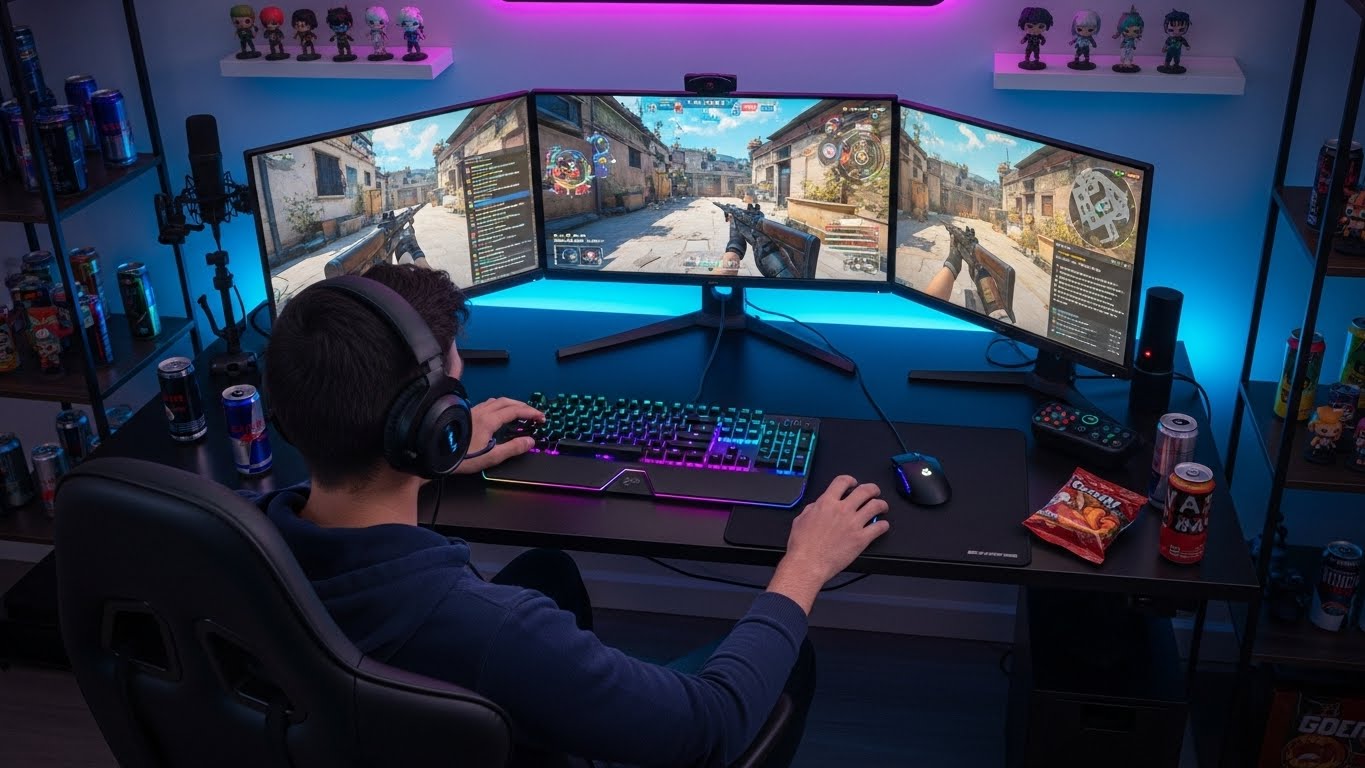

The world of gaming has come a long way from the days of simple pixelated consoles to today’s immersive, multi-platform experiences. Gaming is no longer just a pastime for enthusiasts; it has become a cultural phenomenon, a source of social interaction, and a major economic force. With the advancement of technology, the gaming industry has grown to encompass a wide range of genres, platforms, and experiences, attracting millions of players worldwide.
The Rise of Digital Gaming
Digital gaming refers to playing video games on electronic devices such as computers, consoles, and mobile phones. Unlike traditional board games or outdoor sports, digital gaming allows players to engage in complex virtual worlds with high levels of interactivity. This transformation began in the late 20th century with the introduction of home gaming consoles and arcade games, but the industry truly exploded with the advent of the internet and high-speed connectivity.
Online multiplayer games have made gaming a social experience. Players from around the globe can compete or cooperate in real-time, forging friendships and communities. Titles in genres like first-person shooters, role-playing games, and strategy games have created massive online communities, with forums, streaming platforms, and social media further enhancing engagement.
Gaming Platforms: From Consoles to Mobile Devices
The evolution of gaming platforms has been central to the industry’s growth. Early consoles such as the NES and Sega Genesis laid the groundwork for home entertainment gaming. Over the years, consoles evolved into powerful systems capable of running complex 3D games with cinematic graphics and realistic physics. Modern consoles like the PlayStation, Xbox, and Nintendo Switch continue to push the boundaries of what is possible in home gaming.
PC gaming remains a strong segment, particularly for genres that require precision and strategy such as real-time strategy games and massively multiplayer online role-playing games. PCs offer flexibility in hardware customization, which allows players to optimize performance and graphics according to their preferences.
Mobile gaming has arguably had the most significant impact in recent years. Smartphones and tablets have made gaming more accessible than ever before, bringing casual games to a vast audience. Popular mobile games now rival traditional console and PC titles in terms of engagement, revenue, and cultural influence.
The Influence of Technology on Gaming
Technology has dramatically transformed gaming in multiple ways. High-definition graphics, realistic physics engines, and advanced sound design have made games more immersive than ever. Artificial intelligence has enabled non-player characters to behave intelligently, creating more challenging and engaging experiences.
Virtual reality (VR) and augmented reality (AR) are pushing the boundaries of immersion. VR allows players to step into fully realized 3D environments, while AR blends digital elements with the real world. These technologies are changing the way players interact with games, offering experiences that were once considered science fiction.
Cloud gaming is another technological innovation revolutionizing access. Players can stream high-quality games on various devices without the need for powerful hardware. This model allows for instant gameplay and reduces barriers to entry, broadening the gaming audience significantly.
The Social Impact of Gaming
Gaming is no longer a solitary activity; it is increasingly a social experience. Multiplayer games, online tournaments, and streaming platforms allow players to interact, compete, and collaborate in real time. Social connectivity in gaming enhances player engagement, fosters community, and even provides opportunities for teamwork and communication skill development.
Esports, or competitive video gaming, has emerged as a major global phenomenon. Professional players compete in tournaments with substantial prize pools, drawing millions of spectators both online and in arenas. Esports has created new career opportunities and transformed gaming into a spectator sport, similar to traditional athletics.
Streaming platforms have further amplified the social aspect of gaming. Players can share gameplay, tips, and commentary with millions of followers. This has given rise to a new generation of content creators, influencers, and entertainers, who are shaping gaming culture and trends.
Economic Significance of Gaming
The gaming industry is one of the fastest-growing sectors in the entertainment market. Global revenue from gaming has surpassed that of the movie and music industries combined. Revenue streams include game sales, downloadable content, in-game purchases, subscriptions, and advertising. Free-to-play games with microtransactions have proven particularly lucrative, generating billions in revenue while maintaining accessibility for players.
Gaming also drives innovation in technology, marketing, and design. It creates jobs for software developers, designers, writers, marketing professionals, and voice actors. The industry’s economic impact extends beyond direct revenue, influencing adjacent markets such as hardware manufacturing, digital payments, and streaming services.
Gaming and Education
While gaming is often viewed purely as entertainment, it has significant educational potential. Many games encourage problem-solving, strategic thinking, and creativity. Educational games are used in schools and training programs to teach subjects ranging from mathematics and science to history and language skills.
Simulation games provide experiential learning opportunities, allowing players to explore complex systems and scenarios in a risk-free environment. Games can also promote collaboration and teamwork, skills that are valuable in professional and personal contexts.
Challenges in the Gaming Industry
Despite its growth, the gaming industry faces several challenges. One of the primary concerns is gaming addiction, which can affect mental health, social relationships, and productivity. Responsible gaming practices, parental controls, and awareness campaigns are crucial to mitigating these risks.
Cybersecurity is another significant challenge. Online games often involve financial transactions, personal data, and digital assets, making them attractive targets for hackers. Ensuring secure platforms and protecting player information is a top priority for developers and operators.
Another challenge is maintaining inclusivity and diversity. The industry has historically been male-dominated, but efforts are underway to create games that appeal to diverse audiences and represent varied cultures, genders, and experiences. Encouraging inclusive development teams and diverse content helps the industry grow responsibly.
Future Trends in Gaming
The future of gaming is incredibly promising. Cloud gaming, virtual reality, augmented reality, and artificial intelligence are poised to redefine the player experience. Games will become more immersive, personalized, and interactive, blurring the line between digital and real-world experiences.
Blockchain technology and non-fungible tokens (NFTs) are introducing new ways for players to own, trade, and monetize digital assets. While this is still an emerging trend, it has the potential to transform how players engage with in-game economies.
Cross-platform gaming is becoming increasingly popular, allowing players on different devices to play together seamlessly. This inclusivity fosters larger communities and more dynamic multiplayer experiences.
Artificial intelligence will continue to enhance game design, player behavior analysis, and content personalization. AI-driven narratives may allow games to adapt in real-time to a player’s choices, creating truly unique experiences.
The Cultural Impact of Gaming
Gaming has evolved into a cultural force with global influence. Iconic franchises, characters, and worlds have permeated mainstream media, inspiring movies, books, merchandise, and fan art. Gaming conventions, tournaments, and expos celebrate this culture, bringing enthusiasts together and highlighting industry innovations.
The rise of gaming communities has fostered a sense of belonging and shared identity. Players form connections across geographies, languages, and backgrounds, united by a passion for interactive entertainment. Gaming has become a medium for storytelling, artistic expression, and social interaction, influencing the way people connect and communicate.
Conclusion
Gaming is far more than a leisure activity; it is a dynamic, evolving industry with profound social, economic, and cultural impact. From traditional consoles and PC gaming to mobile apps and virtual reality, technology has transformed how people play, connect, and engage with digital worlds.
The rise of esports, streaming platforms, and multiplayer experiences has redefined gaming as a social and cultural phenomenon. Educational applications, economic contributions, and technological innovations further underscore gaming’s significance in modern society.
While challenges such as addiction, cybersecurity, and inclusivity remain, the industry’s growth trajectory is undeniable. Emerging technologies like AI, VR, AR, and blockchain promise to make gaming even more immersive, personalized, and interconnected.
Gaming today is not just entertainment; it is a gateway to new experiences, communities, and opportunities. Its evolution reflects the power of digital innovation and human creativity, making it one of the most influential and exciting industries of the 21st century.