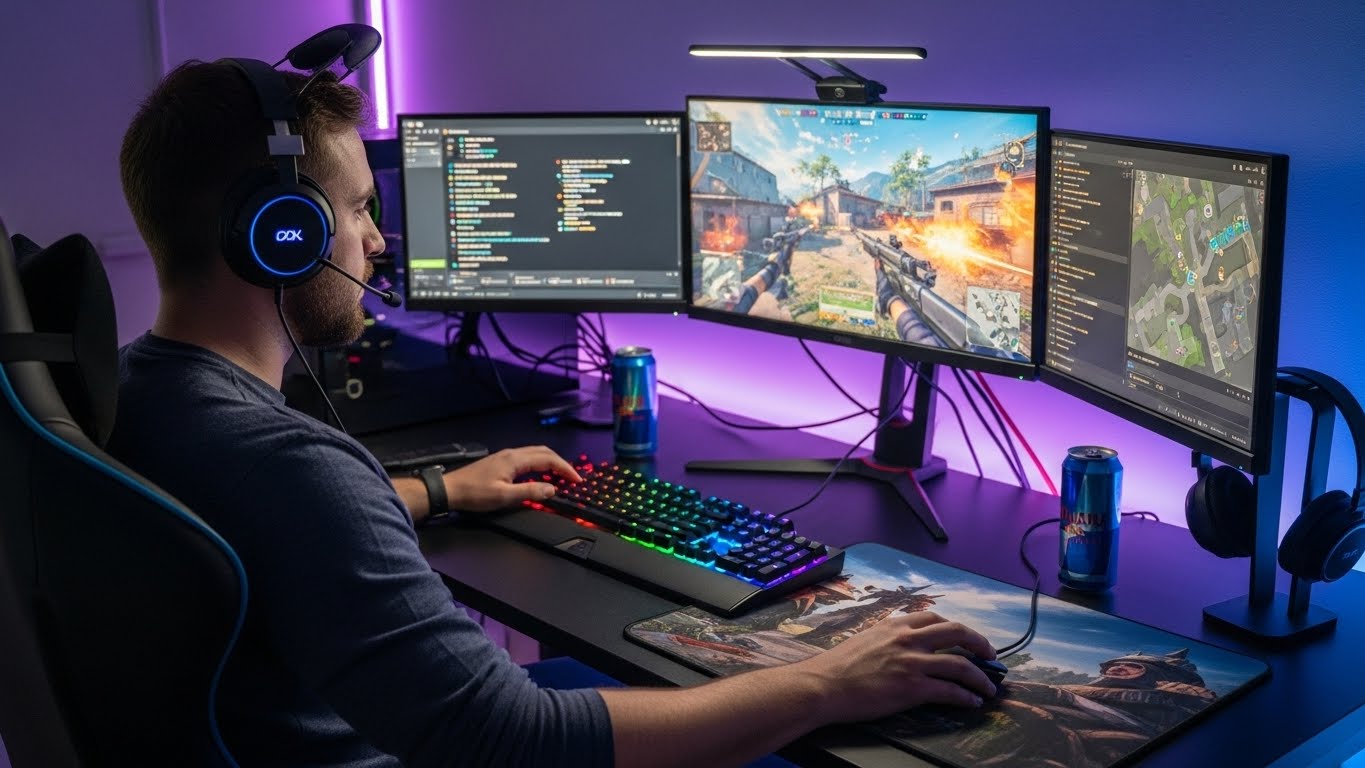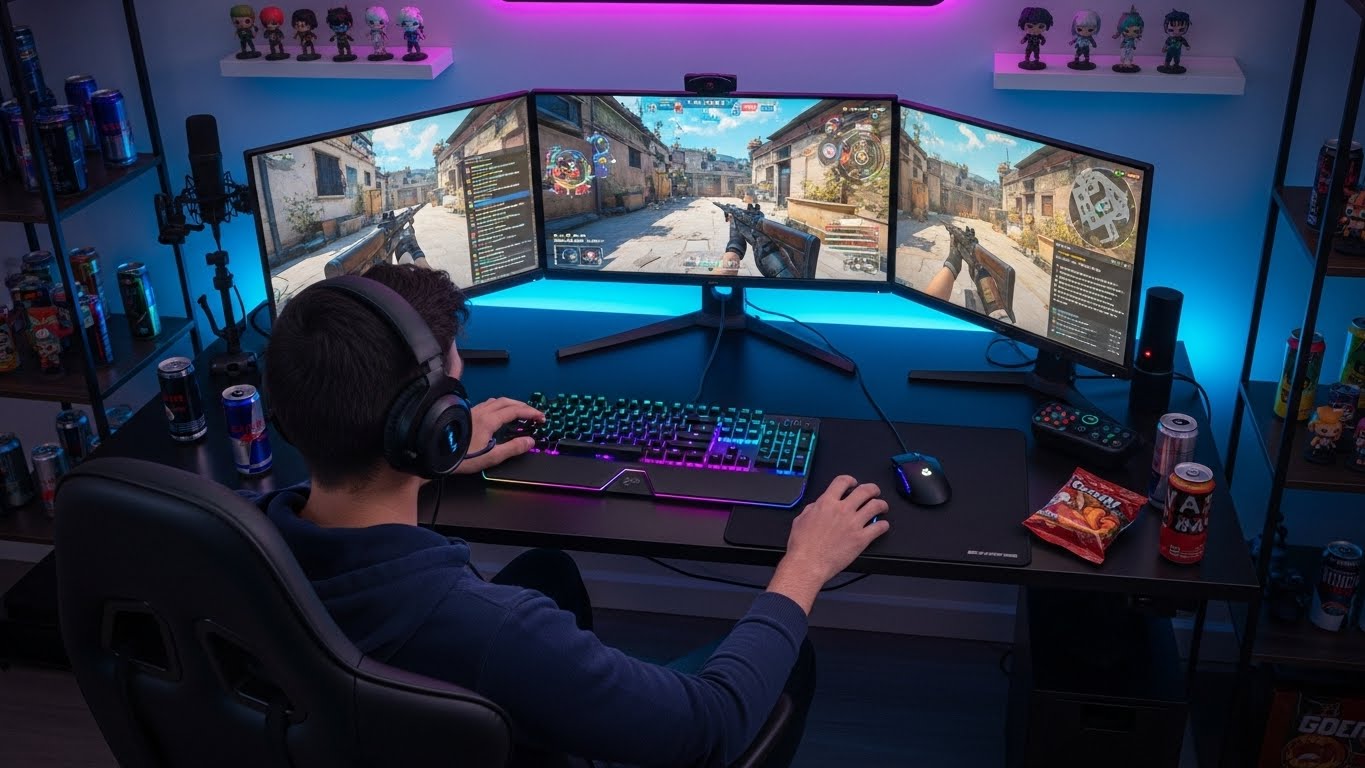

Gaming has evolved far beyond its humble beginnings as a form of simple entertainment. Today, it is a cultural phenomenon, a professional career path, a social connector, and a technological frontier. From mobile games on smartphones to immersive virtual reality experiences, gaming shapes the way people interact, learn, and entertain themselves. In this blog, we explore the history, impact, benefits, challenges, and future of gaming, illustrating why it has become such a transformative force in modern life.
The Evolution of Gaming
The history of gaming dates back decades, beginning with simple arcade games in the 1970s and 1980s. Classic titles like Pong, Space Invaders, and Pac-Man captivated players with their simplicity and accessibility. These early games laid the foundation for the interactive entertainment industry.
The 1990s saw the rise of home consoles and more complex video games. Nintendo, Sega, and Sony brought gaming into households, while personal computers enabled more intricate gameplay and storytelling. Games became increasingly immersive, combining graphics, sound, and narrative to create engaging experiences.
The 2000s introduced online multiplayer games, expanding gaming beyond individual play. Gamers could now compete and collaborate with others across the globe. Platforms like Xbox Live and PlayStation Network revolutionized social gaming, allowing players to communicate, form communities, and compete in real-time.
Today, gaming spans consoles, PCs, mobile devices, and virtual reality systems. Cloud gaming and streaming services have made it possible to play high-quality games without powerful hardware, expanding access to a global audience. Gaming has truly become a universal form of entertainment, accessible to people of all ages and backgrounds.
Gaming as a Social Connector
One of the most significant aspects of modern gaming is its ability to connect people. Online multiplayer games, social gaming platforms, and esports tournaments bring players together from around the world. Through shared experiences, players form friendships, build teamwork skills, and engage in healthy competition.
Games like Fortnite, Minecraft, and Among Us illustrate how gaming can create social bonds. Players communicate, strategize, and collaborate, often creating lifelong friendships in virtual spaces. Gaming communities also foster creativity, as players share fan art, create mods, and develop content that contributes to the culture of the game.
Cognitive and Educational Benefits of Gaming
Gaming offers more than entertainment; it also provides cognitive and educational benefits. Many games require problem-solving, critical thinking, strategic planning, and quick decision-making. Puzzle games, strategy games, and role-playing games challenge players to analyze situations, develop solutions, and adapt to changing conditions.
Educational games combine learning with interactive gameplay, making subjects like mathematics, history, and science more engaging. Gamification techniques encourage players to set goals, track progress, and achieve milestones, promoting motivation and focus. Even competitive games help develop skills such as teamwork, communication, and leadership, which are valuable in real-life contexts.
Gaming and Mental Health
Contrary to some misconceptions, gaming can have positive effects on mental health when balanced with other activities. Playing video games provides stress relief, promotes relaxation, and offers a sense of accomplishment. Engaging in immersive worlds can temporarily alleviate anxiety and help players manage emotions.
Moreover, cooperative and social games reduce feelings of isolation by providing opportunities for social interaction and community engagement. Games that require problem-solving and creativity can also enhance cognitive flexibility and resilience, helping players develop coping strategies for real-life challenges.
The Rise of Esports
Esports has transformed gaming from a recreational activity into a professional career path. Competitive gaming now attracts millions of spectators worldwide, with tournaments offering prize pools rivaling traditional sports. Games like League of Legends, Dota 2, and Counter-Strike have professional leagues, teams, coaches, and analysts, demonstrating that gaming requires skill, strategy, and dedication.
Esports is not just about playing games; it is a professional ecosystem with sponsorships, broadcasting rights, and media coverage. Players train rigorously, often following structured schedules similar to traditional athletes. The rise of esports has created new career opportunities, including roles in coaching, broadcasting, event management, and game development.
Gaming as a Platform for Creativity
Video games are inherently creative, offering opportunities for both players and developers to explore imagination and innovation. Game developers design intricate worlds, engaging narratives, and interactive mechanics that challenge conventional thinking. Players, in turn, engage with these worlds creatively through exploration, character customization, storytelling, and modding.
Games like Minecraft and Roblox highlight this creative potential. Players design entire virtual worlds, create custom game modes, and share their creations with communities. Gaming becomes a medium for self-expression, problem-solving, and collaborative creativity, blending art, design, and technology.
Technology and Gaming Innovation
Gaming has always been closely linked to technological advancement. Graphics, sound, and processing power continue to evolve, providing increasingly immersive experiences. Virtual reality (VR) and augmented reality (AR) offer new ways to interact with games, creating physical engagement and sensory immersion.
Artificial intelligence (AI) enhances gameplay by creating intelligent opponents, dynamic storylines, and adaptive challenges. Cloud gaming removes hardware barriers, allowing players to access high-quality games on low-spec devices. Technology drives gaming innovation, continually pushing the boundaries of what is possible in interactive entertainment.
Economic Impact of Gaming
The gaming industry has grown into a multi-billion-dollar global enterprise. Revenue comes from game sales, in-game purchases, subscriptions, and merchandise. Major titles generate income rivaling blockbuster films, and esports tournaments contribute significantly to the economy through sponsorships, ticket sales, and media rights.
Gaming also creates employment opportunities beyond developers and players. Marketing, content creation, quality assurance, event management, and streaming careers are all integral to the gaming ecosystem. This economic impact highlights gaming’s role not just as entertainment, but as a significant industry driving innovation and employment.
Challenges in the Gaming World
Despite its many benefits, gaming also presents challenges. Excessive gaming can lead to physical strain, eye fatigue, and disrupted sleep. In some cases, it can contribute to addictive behaviors and social withdrawal. Balancing gaming with other life responsibilities is essential for maintaining health and well-being.
The gaming industry also faces challenges such as toxicity in online communities, harassment, and issues related to diversity and representation. Game developers and communities are increasingly focused on creating safe and inclusive spaces, promoting positive interactions, and ensuring accessibility for players of all backgrounds.
The Future of Gaming
The future of gaming is filled with possibilities. Virtual reality, augmented reality, and artificial intelligence will create more immersive and personalized experiences. Cloud gaming and streaming services will expand access, removing barriers and enabling players to engage from anywhere.
Gaming is also likely to become more integrated with other aspects of life, including education, fitness, and social interaction. Gamification techniques will continue to enhance learning and productivity, while esports and professional gaming careers will gain further recognition and legitimacy. The potential for innovation in gaming is virtually limitless, making it a driving force in entertainment, technology, and culture.
Conclusion: Gaming as a Transformative Experience
Gaming is far more than a hobby; it is a cultural, social, and technological phenomenon. It fosters creativity, problem-solving, and social connection while providing entertainment and economic opportunities. From casual mobile games to professional esports tournaments, gaming has evolved into a multifaceted industry that impacts millions of lives worldwide.
Through gaming, players experience challenges, collaboration, and achievement in ways that mirror real-life experiences. It teaches resilience, strategic thinking, and teamwork, while offering avenues for self-expression and innovation. As technology continues to advance, gaming will remain at the forefront of interactive entertainment, shaping how people play, learn, and connect in an increasingly digital world.
Gaming is not just a pastime—it is a powerful medium that enriches lives, builds communities, and drives human creativity to new heights. In the world of gaming, every player has the potential to level up not just in the game, but in life itself.