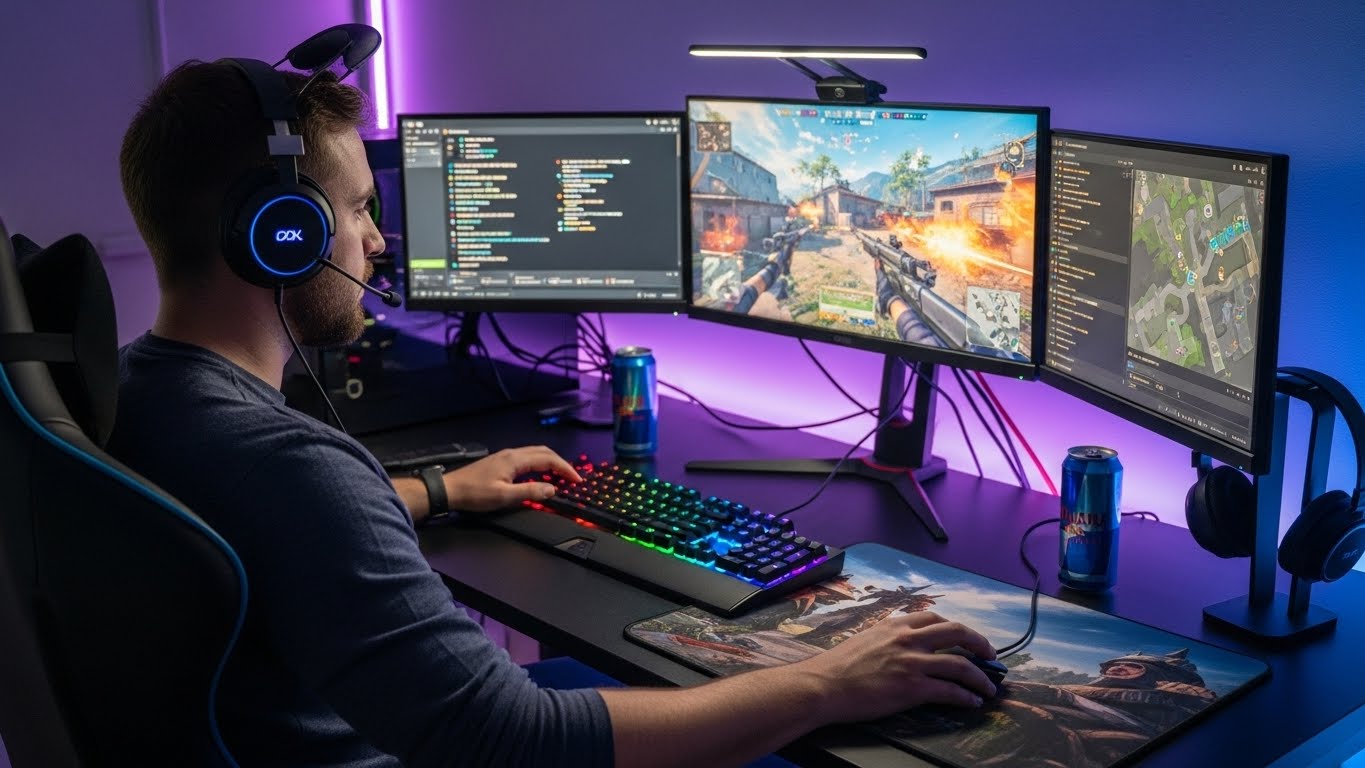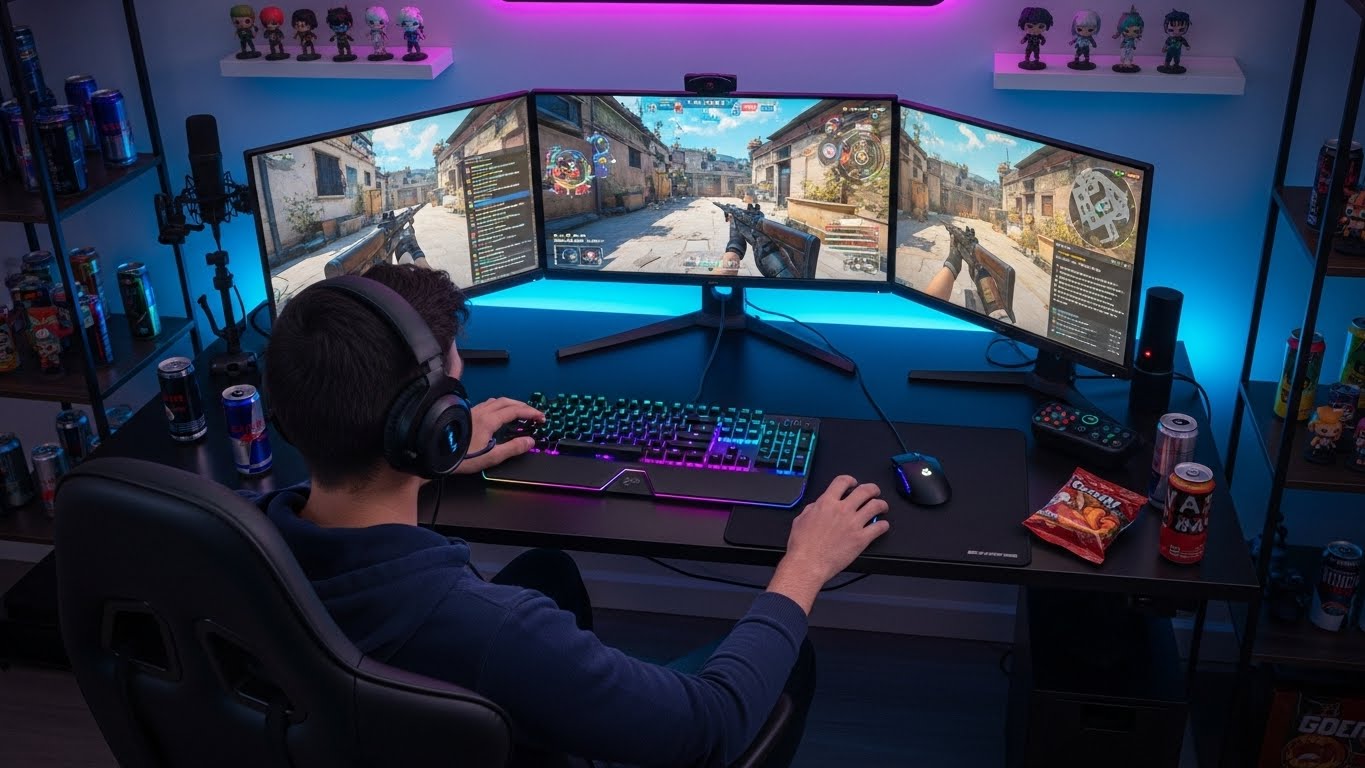

Gaming has long transcended its early reputation as a mere pastime for children or niche hobbyists. In today’s world, it is a global phenomenon that touches nearly every aspect of culture, technology, and personal development. From casual mobile games to intricate virtual worlds, gaming has evolved into a form of entertainment, education, and social interaction. This blog explores the multifaceted world of gaming, examining its history, cultural impact, psychological effects, and the innovations shaping its future.
The Evolution of Gaming
Gaming has come a long way since the first pixelated games of the 1970s. The journey began with simple arcade games like Pong and Space Invaders, which captured the imagination of early players through straightforward mechanics and competitive scoring. The 1980s introduced home consoles, bringing video games into living rooms and establishing iconic franchises that continue today.
The 1990s marked a major leap with the rise of 3D graphics, role-playing games, and multiplayer functionality. Gamers could now immerse themselves in expansive worlds and interact with other players online. By the 2000s, gaming became more accessible with mobile devices and broadband internet, leading to the massive expansion of casual gaming audiences. Today, virtual reality, augmented reality, and cloud gaming are pushing boundaries, transforming gaming into an experience that blends imagination with reality.
Gaming as a Storytelling Medium
At its core, gaming is about interaction, but it is also a storytelling medium unlike any other. While books, movies, and television present narratives passively, games allow players to participate actively in shaping the story. Role-playing games, in particular, offer deep narratives with choices that affect outcomes, allowing players to experience cause and effect firsthand.
Games such as open-world adventures and narrative-driven RPGs create emotional connections with characters, making the victories sweeter and the losses more impactful. Unlike traditional entertainment, gaming’s interactivity enables players to explore moral dilemmas, cultural themes, and personal growth in ways other media cannot replicate.
Cognitive Benefits of Gaming
Gaming is often criticized for being time-consuming, but research shows that it offers numerous cognitive benefits. Strategic games enhance problem-solving skills, decision-making, and critical thinking. Puzzle games strengthen memory, attention to detail, and spatial reasoning. Fast-paced action games improve reflexes and hand-eye coordination.
Moreover, games requiring planning and resource management teach players patience and strategic foresight. Multiplayer online games develop teamwork, communication, and leadership skills. Contrary to stereotypes, gaming can serve as a mental workout, strengthening cognitive functions while providing entertainment.
Gaming and Emotional Development
Gaming is more than a mental exercise; it is also an emotional experience. Immersive worlds and compelling narratives allow players to experience empathy, courage, and perseverance. Overcoming difficult challenges in games can boost confidence, resilience, and emotional regulation.
Games often mirror real-life challenges, allowing players to explore consequences in a safe environment. Losing a match or failing a level teaches perseverance and adaptability. Winning fosters satisfaction and a sense of accomplishment. In this way, gaming becomes a mirror for personal growth, providing lessons that extend beyond the screen.
Social Impact of Gaming
Modern gaming is deeply social. Online multiplayer games create communities that span continents, enabling players to connect with friends and strangers alike. Cooperative gameplay fosters collaboration, while competitive gameplay encourages healthy rivalry. These interactions build relationships, teach conflict resolution, and provide a sense of belonging.
Streaming platforms and esports have further expanded gaming’s social influence. Gamers can now share experiences with global audiences, turning hobbies into careers and communities into cultural movements. Gaming, therefore, is not just entertainment but a social network that bridges geographical and cultural divides.
The Cultural Influence of Gaming
Gaming has become a significant cultural force. Characters, stories, and mechanics from popular games influence fashion, music, art, and language. Iconic franchises inspire fan art, cosplay, and creative reinterpretations across media. Gaming conventions attract tens of thousands of participants, celebrating the medium as a cultural phenomenon rather than mere hobby.
Moreover, games increasingly explore cultural diversity and representation. Developers create characters and narratives that reflect a wide range of experiences, promoting empathy and cultural awareness. Gaming culture is evolving from niche subculture to mainstream influence, shaping how people understand entertainment and creativity.
Gaming as a Career
Once seen as a hobby, gaming has now become a viable career path. Professional esports athletes, game developers, streamers, and content creators make a living from gaming. Esports tournaments attract millions of viewers and offer prize pools rivaling traditional sports. This growth has legitimized gaming as a profession and opened opportunities for creative, technical, and entrepreneurial talent.
The gaming industry itself is a hub of innovation and employment. From storytelling and design to coding and sound engineering, creating games requires multidisciplinary expertise. This aspect highlights gaming’s value beyond consumption, showcasing it as an engine of creativity and economic growth.
The Psychological Benefits of Gaming
Gaming is increasingly recognized for its psychological benefits. Engaging in games can relieve stress, reduce anxiety, and provide emotional release. Playing in cooperative environments fosters feelings of belonging and support. Games can also be a source of motivation, encouraging goal-setting and persistence.
Therapeutic applications of gaming are also emerging. Certain games are designed to help with cognitive rehabilitation, mental health therapy, and skill-building for neurodiverse individuals. The interactive and immersive nature of gaming makes it an effective tool for positive psychological outcomes, combining enjoyment with personal development.
Challenges and Responsibilities in Gaming
Despite its benefits, gaming is not without challenges. Excessive gaming can lead to negative consequences, including disrupted sleep, social isolation, and neglect of responsibilities. The industry also faces ethical questions around monetization, data privacy, and inclusivity.
Players and developers alike must approach gaming with balance and awareness. Mindful gaming practices, age-appropriate content, and healthy schedules help maximize the positive aspects while minimizing risks. Gaming, like any form of entertainment, is most valuable when integrated thoughtfully into daily life.
The Future of Gaming
The future of gaming is poised to be more immersive and innovative than ever. Advances in virtual reality and augmented reality promise experiences that blur the line between real and digital worlds. Artificial intelligence will enable more dynamic narratives, personalized experiences, and adaptive gameplay.
Cloud gaming will make high-quality experiences accessible on any device, democratizing access and reshaping how people play. The rise of social and interactive storytelling will further emphasize gaming as a cultural and artistic medium. As technology evolves, the essence of gaming—as a source of fun, challenge, and connection—will remain central, even as its forms become more complex and diverse.
Gaming and Personal Growth
At its heart, gaming is a tool for personal growth. It challenges players intellectually, emotionally, and socially. Games encourage curiosity, experimentation, and creativity. They offer safe spaces to explore identity, develop skills, and connect with others. By embracing gaming responsibly, individuals can harness its power for self-improvement, social bonding, and lifelong learning.
Gaming is not just about entertainment; it is a modern mirror of society, creativity, and human potential. It allows people to dream, experiment, and achieve in ways no other medium provides. Its impact reaches far beyond the screen, shaping minds, cultures, and communities.
Conclusion
Gaming is no longer a simple form of entertainment. It is an art, a social platform, a learning tool, and a career opportunity. From cognitive and emotional benefits to cultural influence and personal growth, gaming has become a cornerstone of modern life. The evolution of technology, combined with creativity and innovation, ensures that gaming will continue to shape the way we think, connect, and experience the world.
As we look to the future, the potential of gaming is limitless. It offers not only escapism but also meaningful experiences that teach, inspire, and unite. Far beyond pixels and screens, gaming is a transformative force, proving that play is one of the most powerful ways humans learn, grow, and connect.