Introduction
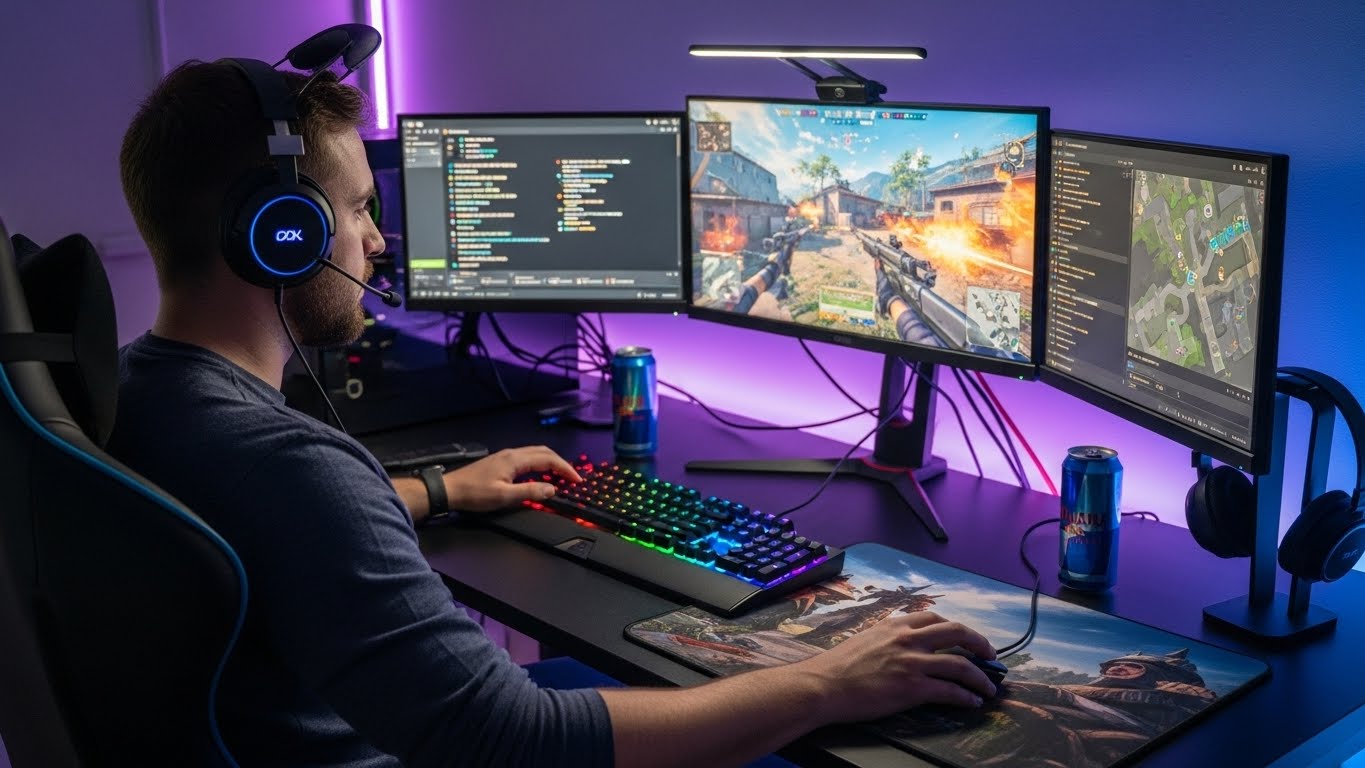
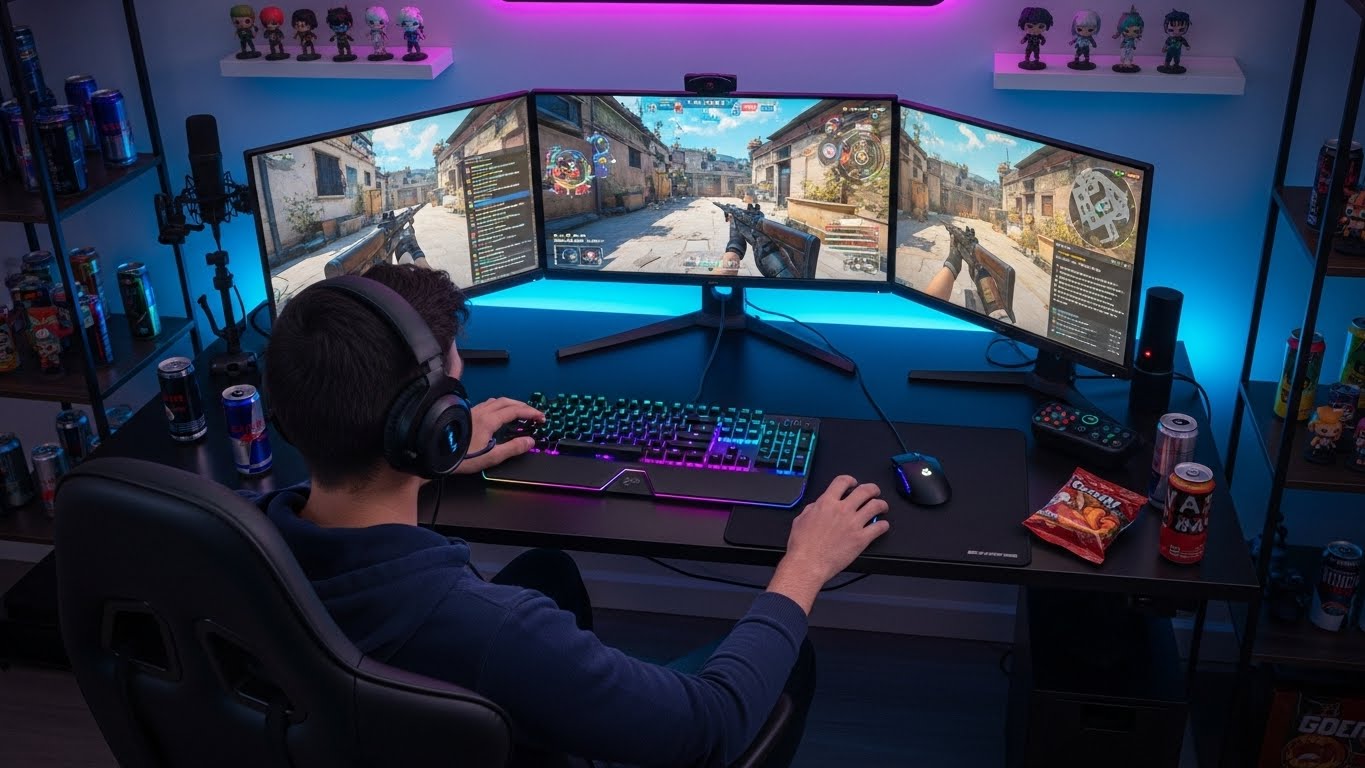
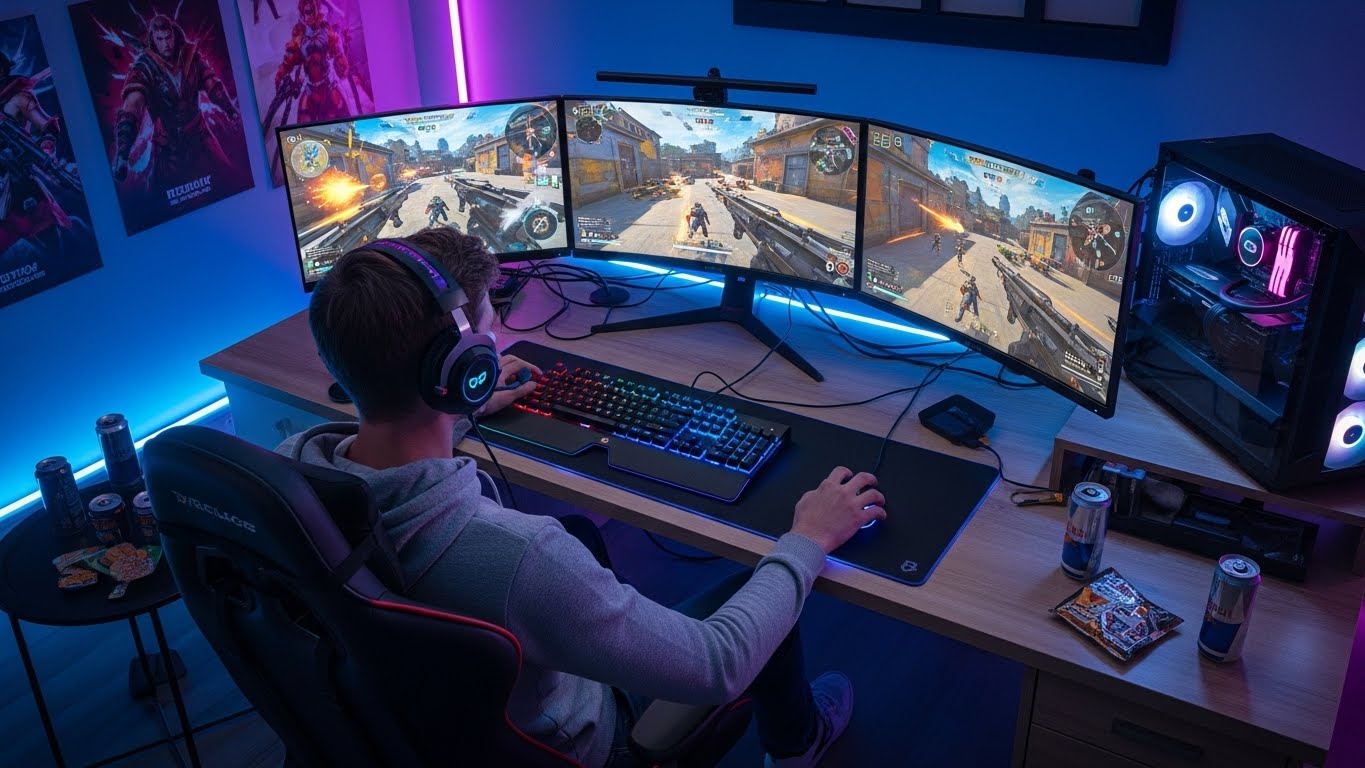
Gaming has grown from a niche pastime into a global phenomenon, influencing culture, technology, and social interaction. Once limited to arcades and early home consoles, gaming now spans platforms, genres, and audiences of all ages. It is more than just play—it is storytelling, competition, creativity, and community. Millions of people worldwide engage with games every day, whether on PCs, consoles, mobile devices, or emerging technologies like virtual reality. This blog explores the evolution of gaming, its cultural and social impact, and the ways it continues to redefine entertainment in the modern era.
The Origins of Gaming
The roots of gaming can be traced back to the 1970s and 1980s with the emergence of arcade games and home consoles. Titles like Pong, Space Invaders, and Pac-Man introduced players to the thrill of interactive entertainment. These early games were simple in design but addictive, creating a culture of competition and achievement.
As technology advanced, home consoles became more sophisticated. The Nintendo Entertainment System and Sega Genesis brought expansive worlds, memorable characters, and engaging stories to living rooms around the globe. Games began to include deeper narratives and increasingly complex mechanics, laying the groundwork for the immersive experiences that define modern gaming.
The Evolution of Game Genres
Gaming has evolved to encompass a wide variety of genres, each offering unique experiences and challenges. Action and adventure games emphasize skill, reflexes, and exploration, while role-playing games immerse players in rich narratives and character development. Strategy and simulation games foster critical thinking, problem-solving, and planning.
Competitive multiplayer games have created new communities and cultural phenomena. Esports titles like League of Legends, Dota 2, and Counter-Strike require teamwork, strategy, and skill, while casual and mobile games provide quick, accessible entertainment. The diversity of genres ensures that gaming appeals to a wide audience, catering to different interests, skill levels, and play styles.
Storytelling in Games
Modern games are not just about mechanics; they are also vehicles for storytelling. Games like The Last of Us, Red Dead Redemption, and The Witcher series deliver narratives with depth, emotion, and moral complexity. Players engage with characters, make choices that shape outcomes, and experience stories interactively, creating a sense of personal investment that traditional media cannot replicate.
The interactive nature of games allows players to explore multiple perspectives, confront ethical dilemmas, and experience consequences firsthand. This level of engagement makes gaming a powerful medium for emotional and intellectual exploration, providing entertainment that is both immersive and thought-provoking.
Graphics and Audio: Enhancing Immersion
Visuals and sound design play a crucial role in modern gaming. High-definition graphics, realistic physics, and dynamic lighting create immersive worlds that feel alive. From sprawling open-world landscapes to intricate dungeon environments, games provide spaces for exploration, creativity, and discovery.
Audio further enhances the experience. Soundtracks, voice acting, and environmental sounds build atmosphere and emotional resonance. The combination of graphics and audio creates a multi-sensory experience that draws players into the game world, making victories, challenges, and story moments feel tangible and impactful.
Social Interaction and Community
Gaming has become a social medium, connecting people across the globe. Multiplayer games, online communities, and streaming platforms foster friendships, teamwork, and competition. Players form guilds, join clans, and participate in tournaments, creating a sense of belonging and shared purpose.
Social interaction in gaming extends beyond the virtual world. Communities discuss strategies, share fan content, and celebrate achievements together. Gaming also provides opportunities for collaboration, leadership, and communication, teaching skills that are applicable in real-life contexts.
The Rise of Competitive Gaming
Competitive gaming, or esports, has transformed gaming into a professional pursuit. Players train rigorously, develop strategies, and compete in tournaments that attract millions of spectators. Prize pools for top competitions can reach millions of dollars, highlighting the professionalism and scale of esports.
Esports requires mental acuity, coordination, and strategic thinking. Professional players must maintain focus under pressure, communicate effectively with teammates, and adapt to changing dynamics. Beyond playing, careers in coaching, content creation, and management have emerged, expanding the professional opportunities within the gaming industry.
The Cultural Impact of Gaming
Gaming has become a major cultural force. Iconic characters, memorable stories, and innovative gameplay influence fashion, music, media, and art. Cosplay, fan art, and streaming culture demonstrate how gaming inspires creativity and community participation.
Gaming also reflects and shapes societal trends. Narrative themes, game design, and player communities engage with contemporary issues, from ethics and identity to social responsibility and inclusivity. As a result, gaming is not only entertainment but also a mirror of cultural evolution.
Technology Driving Gaming Innovation
Technological advancements continue to push gaming forward. Virtual reality and augmented reality create immersive experiences that merge the digital and physical worlds. Cloud gaming enables high-quality gameplay without specialized hardware, making gaming more accessible.
Artificial intelligence and machine learning enhance gameplay, offering adaptive challenges, realistic non-player character behavior, and personalized experiences. Technology also empowers creators, allowing independent developers to innovate and distribute games to a global audience, ensuring the industry remains dynamic and diverse.
Gaming and Education
Games are increasingly recognized as educational tools. Strategy and simulation games teach critical thinking, problem-solving, and resource management. Creative platforms like Minecraft foster design, coding, and storytelling skills.
Educational institutions and programs have embraced gaming for its ability to engage students and enhance learning. Gamified experiences encourage participation, collaboration, and experimentation, demonstrating that gaming can be both entertaining and intellectually stimulating.
Emotional and Psychological Benefits
Gaming provides a wide range of emotional and psychological benefits. It offers stress relief, relaxation, and a sense of accomplishment. Immersive stories, challenging puzzles, and interactive environments stimulate cognitive functions and foster resilience.
Players often form emotional attachments to characters and narratives, leading to meaningful and memorable experiences. Gaming encourages goal-setting, perseverance, and adaptability, which can translate into real-life skills and personal development.
Healthy Gaming Habits
While gaming offers numerous benefits, balance is essential. Excessive play can impact physical health, social relationships, and daily responsibilities. Setting limits, taking breaks, and engaging in physical activity ensures that gaming remains a healthy and enjoyable activity.
Developers have also introduced features to promote well-being, such as reminders to rest, parental controls, and gameplay moderation tools. Mindful gaming enhances enjoyment while supporting mental and physical health, allowing players to fully benefit from the medium.
The Future of Gaming
The future of gaming promises further innovation and expansion. Virtual reality, augmented reality, and artificial intelligence will make experiences increasingly immersive and personalized. Cloud gaming and cross-platform play will enhance accessibility, connecting global communities more than ever.
Gaming will continue to intersect with other forms of entertainment, including movies, music, and live events, creating hybrid experiences. Storytelling, interactivity, and social engagement will remain central, ensuring that gaming continues to evolve as a powerful medium for creativity, connection, and entertainment.
Conclusion
Gaming is far more than a pastime—it is a cultural, social, and technological phenomenon. From immersive storytelling and competitive esports to social communities and creative expression, gaming offers experiences that entertain, educate, and inspire.
As technology advances and audiences diversify, gaming will continue to redefine entertainment. It is a space where imagination, skill, and connection converge, allowing players not only to play but to grow, engage, and explore limitless possibilities. Gaming has leveled up, and it shows no signs of slowing down.