Introduction: The Evolution of Gaming
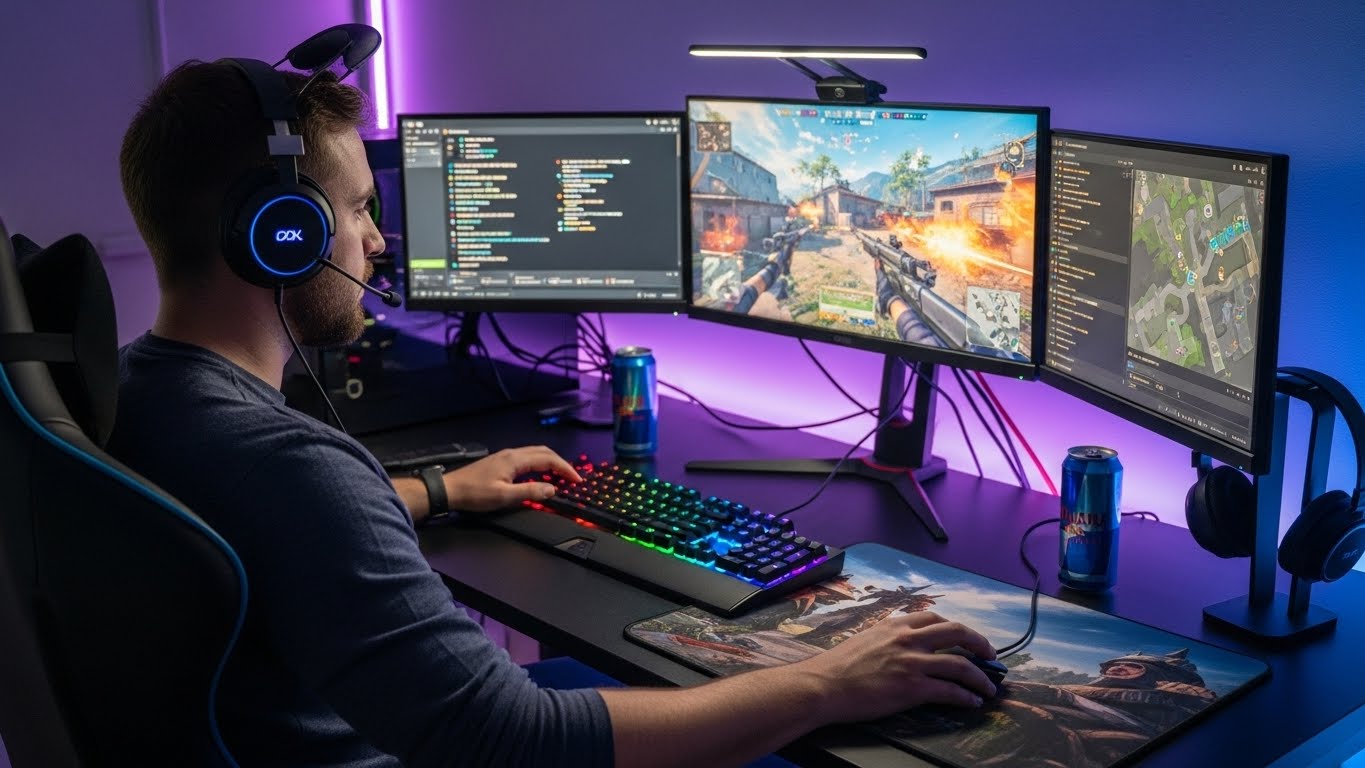
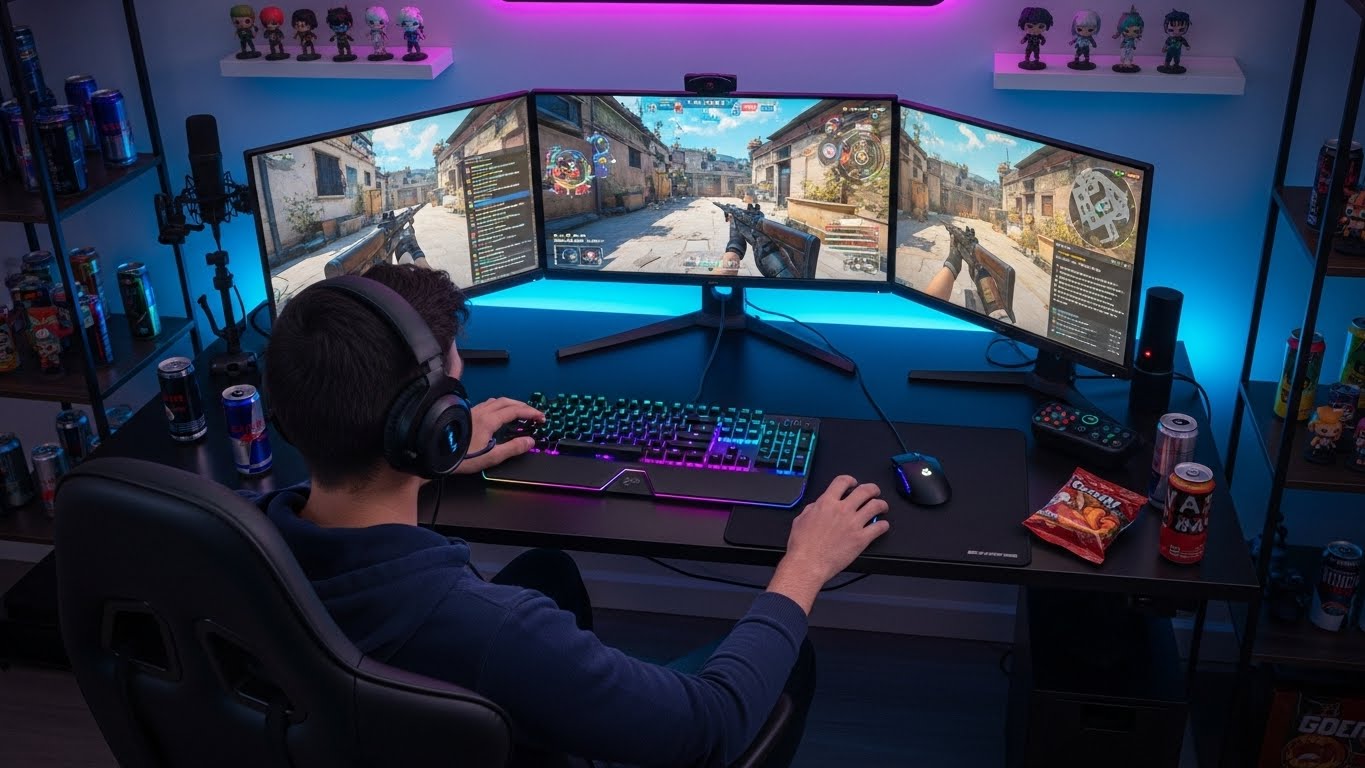
Gaming has come a long way from its humble beginnings. From simple pixelated screens of the 1970s and 1980s to the hyper-realistic worlds of today, video games have evolved into a global phenomenon that transcends age, gender, and culture. Initially seen as a niche hobby, gaming has grown into a mainstream form of entertainment, education, and even professional sport. Today, millions of people around the world spend hours immersed in interactive worlds, whether on consoles, PCs, or mobile devices. The appeal of gaming is not just in its fun factor but also in its ability to challenge, connect, and inspire players in ways few other forms of media can.
The Psychological Benefits of Gaming
Contrary to common stereotypes, gaming offers numerous psychological benefits. Studies have shown that video games can improve cognitive skills, enhance problem-solving abilities, and boost memory and attention span. Strategy games, for instance, require players to plan, anticipate outcomes, and make quick decisions, sharpening analytical thinking. Puzzle games stimulate creativity and logical reasoning, encouraging players to think outside the box. Even action games, often criticized for promoting violence, have been found to improve hand-eye coordination and reaction times. Furthermore, gaming can provide a sense of achievement and motivation through in-game rewards and progression systems, which can translate into real-world confidence and goal-setting skills.
Social Connections and Multiplayer Gaming
One of the most profound impacts of modern gaming is its ability to foster social connections. Multiplayer online games, from cooperative adventures to competitive eSports, allow players to interact with people across the globe. Social interaction in gaming is not limited to playing together; it often extends to forming friendships, participating in communities, and collaborating to achieve shared goals. For many players, online gaming provides a sense of belonging and social support, especially for those who may feel isolated in their offline lives. The rise of platforms that integrate voice chat, live streaming, and virtual events has made gaming a social hub where players not only play but also communicate, share experiences, and celebrate achievements together.
The Rise of eSports
Gaming has transformed from a recreational activity to a professional career through the rise of eSports. Competitive gaming tournaments now attract millions of viewers, with top players earning substantial incomes from sponsorships, prize money, and streaming. eSports has its own leagues, teams, and fan communities, mirroring traditional sports in terms of organization and professionalism. The popularity of eSports has also fueled the development of specialized training programs, coaching, and analytics tools, demonstrating that gaming is no longer just a pastime but a serious competitive arena. For aspiring players, eSports offers opportunities to pursue their passion while building skills that are transferable to other areas, such as teamwork, strategy, and time management.
Gaming as a Storytelling Medium
Beyond competition and socialization, gaming excels as a storytelling medium. Modern games often feature rich narratives, complex characters, and immersive worlds that rival the depth of novels and films. Role-playing games allow players to step into the shoes of protagonists, make choices that influence outcomes, and experience stories in a deeply interactive way. Open-world games provide expansive environments where exploration and discovery drive the narrative, creating a sense of agency and personal connection. Story-driven games can evoke a wide range of emotions, from excitement and suspense to empathy and reflection, highlighting the unique power of interactive storytelling in shaping experiences.
The Educational Potential of Gaming
Gaming is no longer confined to entertainment; it has significant educational potential. Educational games and simulations teach everything from history and science to language and mathematics. These games engage students in active learning, encouraging them to experiment, solve problems, and retain information through interactive experiences. Even mainstream games often incorporate elements of learning, such as resource management, historical references, and strategic planning, which can enhance real-world knowledge. Gamification—the use of game mechanics in non-game contexts—has also gained popularity in classrooms and workplaces, demonstrating that gaming principles can motivate and enhance performance beyond the screen.
The Role of Technology in Gaming
The rapid advancement of technology has revolutionized the gaming industry. High-definition graphics, realistic physics engines, virtual reality, and augmented reality have transformed the way players experience games. VR and AR, in particular, offer immersive experiences where players can interact with virtual worlds in a three-dimensional space, blurring the line between reality and imagination. Cloud gaming has further democratized access, allowing players to stream games without high-end hardware. Mobile gaming has expanded the audience even more, making games accessible anytime and anywhere. These technological innovations continue to push the boundaries of creativity, interactivity, and engagement in gaming.
Gaming and Mental Health
While excessive gaming can have negative effects, moderate gaming has been linked to positive mental health outcomes. Many players report that gaming serves as a stress reliever, providing an escape from daily pressures and a safe space to relax. Cooperative games and online communities can help reduce feelings of loneliness and promote social interaction. Certain games are designed specifically for therapeutic purposes, helping individuals manage anxiety, depression, or cognitive impairments. By offering structured challenges, reward systems, and immersive worlds, gaming can provide both emotional support and cognitive stimulation. However, balance is key, and understanding one’s limits is essential for maintaining healthy gaming habits.
Cultural Impact of Gaming
Gaming has become an influential cultural force. Video games inspire art, music, fashion, and even film adaptations, creating cross-media connections that enrich popular culture. Iconic games have left a lasting imprint on society, influencing storytelling, design aesthetics, and social commentary. Gaming conventions, cosplay events, and online fan communities celebrate this cultural significance, allowing enthusiasts to express creativity and share their passion. Moreover, the global nature of gaming has fostered cultural exchange, exposing players to different languages, traditions, and perspectives through virtual experiences. The cultural impact of gaming is a testament to its power as both a creative medium and a communal experience.
The Future of Gaming
The future of gaming holds exciting possibilities. Advancements in artificial intelligence, machine learning, and neural interfaces promise to make games more adaptive, responsive, and immersive than ever before. AI-driven narratives could personalize experiences for each player, while procedural generation could create endless worlds to explore. Social and collaborative gaming may continue to expand, bringing players together in increasingly complex virtual ecosystems. Additionally, sustainability and inclusivity are becoming central themes, as developers work to make gaming accessible to diverse audiences and environmentally responsible. As technology evolves, the potential for gaming to entertain, educate, and connect people will only continue to grow.
Conclusion: Gaming as a Lifestyle
Gaming is far more than a hobby; it has become a lifestyle that blends entertainment, learning, social interaction, and professional opportunities. Its impact on individuals and society is profound, offering cognitive benefits, emotional support, and cultural enrichment. Whether one plays casually on a mobile device or competes professionally in eSports, gaming has something to offer everyone. As the industry continues to evolve, it challenges our perceptions, pushes technological boundaries, and redefines the way we experience stories and communities. Embracing gaming is not just about leisure—it’s about engaging with a dynamic world of creativity, strategy, and connection that continues to shape the modern human experience.