Introduction to a Transforming Industry
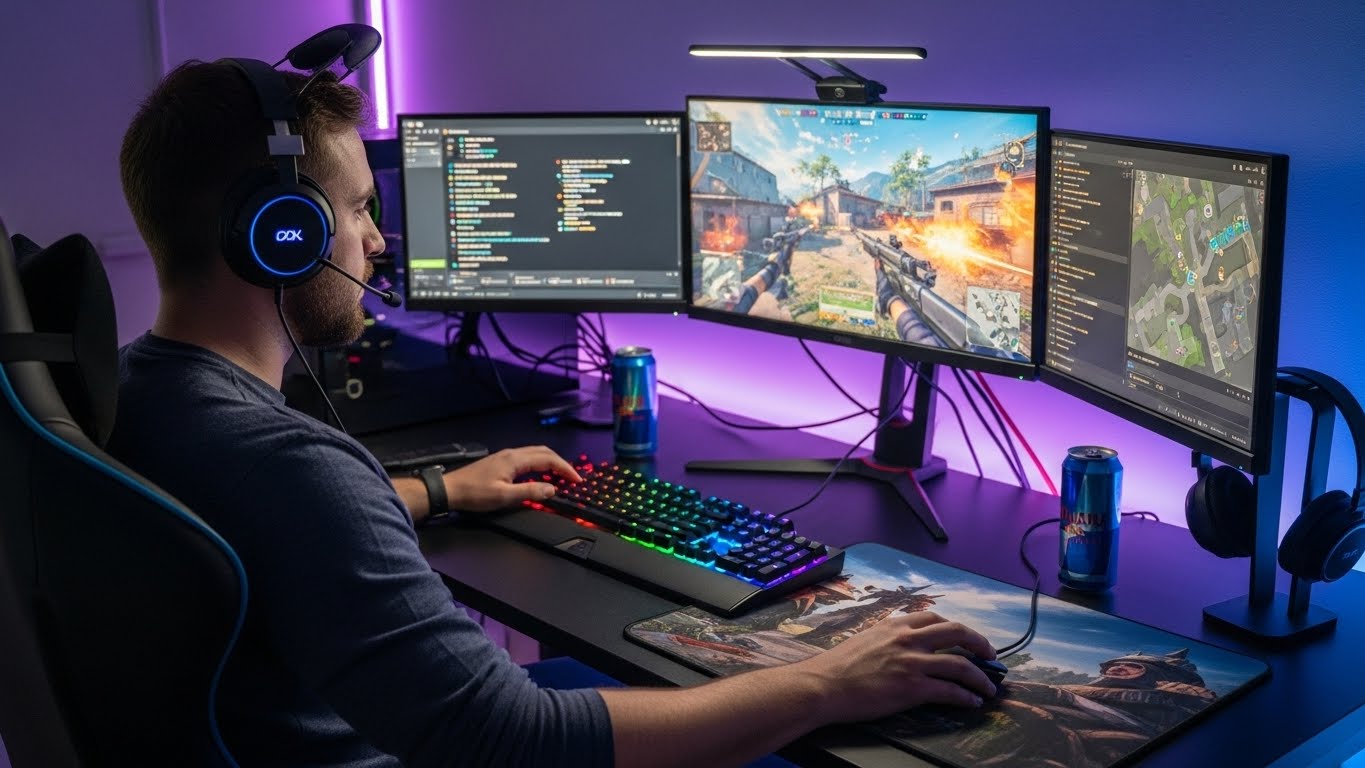
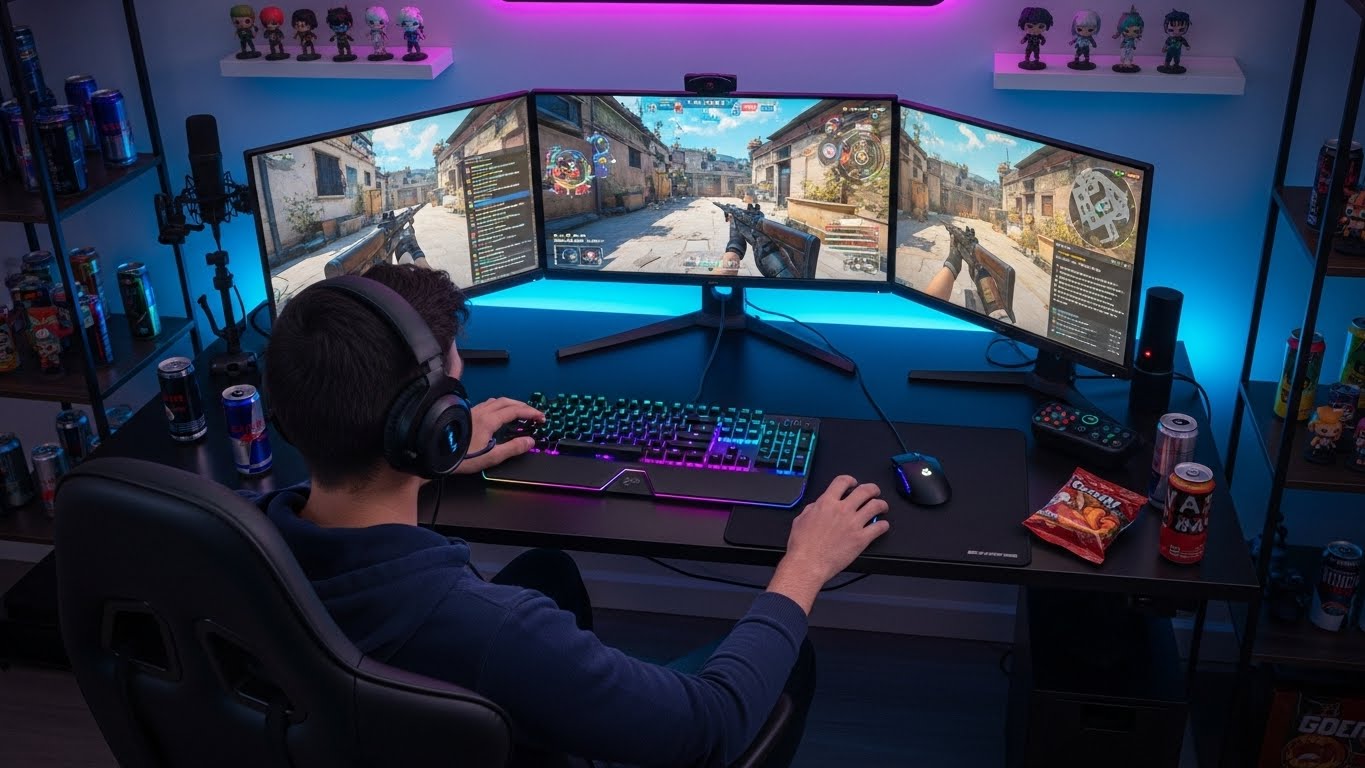
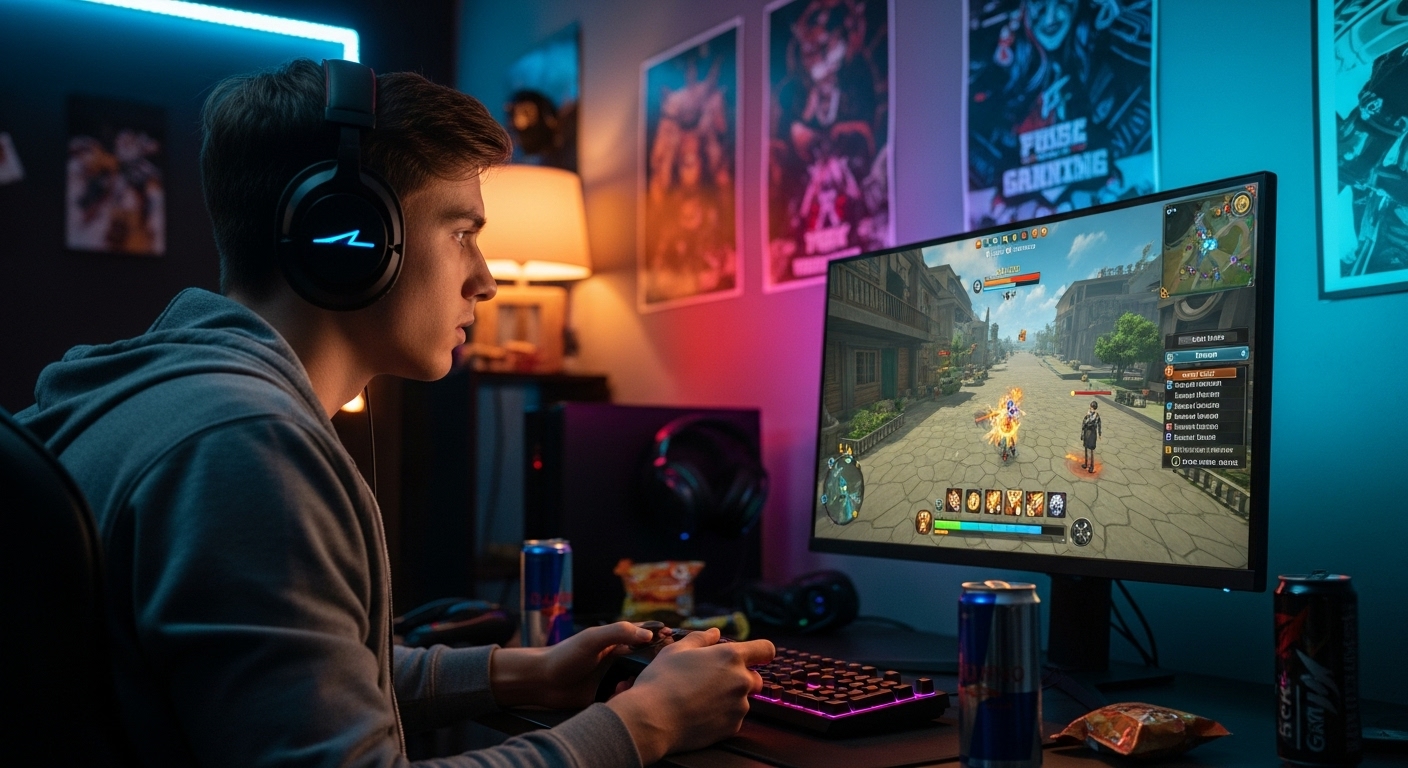
Gaming has evolved from a simple pastime into one of the most influential forces in global entertainment. What once began as pixelated adventures on home consoles has grown into expansive worlds filled with storytelling, competition, creativity and community. Modern gaming stands at the intersection of art and technology, offering experiences that rival blockbuster films, bestselling books and even real-world sports. As more players join the digital landscape, the world of gaming continues to expand, shaping not only entertainment habits but also social culture, careers and technology itself.
The Rise of Immersive Experiences
One of the greatest shifts in gaming is the industry’s focus on immersion. Games today are designed to pull players into vivid, believable worlds. This immersion is created through detailed graphics, sophisticated sound design, realistic physics and storylines that deeply resonate with players. Developers are now able to create open worlds where every corner feels alive and meaningful, allowing players to live out fantasies, explore unknown lands and shape their own narratives. This level of immersion gives gaming an emotional and creative depth that keeps players engaged for hours.
Storytelling as a Core Experience
Gone are the days when games focused solely on simple objectives like collecting tokens or defeating opponents. Today’s gaming industry embraces storytelling at a cinematic level. Characters are complex, plots are layered and worlds are rich with lore. This storytelling aspect turns players into participants of unfolding dramas, giving them personal responsibility over choices and outcomes. Whether it is navigating moral dilemmas or building alliances, story-driven games allow players to experience emotions such as joy, guilt, hope and regret, making the medium one of the most powerful forms of narrative art.
The Growth of Competitive Gaming
Competitive gaming, commonly known as esports, has become one of the fastest growing fields in entertainment. Millions of players now compete at professional and amateur levels across various genres such as strategy, shooting, fighting and sports games. These tournaments attract massive audiences, rivaling traditional sports in some regions. With sponsorships, prize pools, coaching staffs and global leagues, esports has established itself as a legitimate career path. This competitive landscape encourages players to develop discipline, teamwork, strategy and quick decision-making skills.
The Social Connection in Gaming
Gaming is no longer a solitary activity. Online multiplayer experiences have opened the door to virtual friendships and team-based adventures that unite players across the world. Through voice chat, cooperative missions and shared achievements, gamers build connections regardless of distance, culture or language. Many friendships and communities thrive within these digital spaces, providing support systems, collaborative environments and a sense of belonging. In a world where online communication has become essential, gaming stands as one of the strongest tools for building social identity and interaction.
Technological Advancements Driving the Industry
The gaming industry constantly pushes technology forward. Advancements in graphics engines, artificial intelligence, cloud gaming and virtual reality reshape what is possible each year. These innovations contribute to faster loading times, realistic animations, smoother gameplay and more dynamic interactions. Artificial intelligence has improved enemy behavior, customization options and even procedural world generation. Cloud gaming brings high-quality experiences to devices that once could not support them, making games more accessible than ever. These technologies not only enhance entertainment but also inspire innovations used in other fields such as medicine, education and engineering.
Virtual Reality and the Future of Immersion
Virtual reality represents one of the biggest leaps in gaming technology. Through VR headsets and motion tracking, players can step directly into game worlds, interacting with objects, environments and characters in natural ways. VR removes the barrier of screens, offering a first-person experience that feels nearly lifelike. Whether exploring alien planets, training in virtual arenas or participating in interactive storytelling, VR gaming delivers unmatched immersion. As developers continue advancing the technology, the future promises even deeper levels of realism, redefining how players experience entertainment.
Gaming as a Creative Platform
Beyond playing games, many individuals use gaming as a platform for creativity. Game creation tools, modding communities, and sandbox games encourage players to design their own levels, characters and even entire worlds. These creative spaces have led to some of the most imaginative projects ever seen in the digital sphere. Whether constructing vast cities, coding unique mechanics or telling personal stories through game engines, players contribute to a culture of innovation that enriches the gaming ecosystem. This creativity also inspires many to pursue careers in design, animation and development.
The Impact of Streaming and Content Creation
Gaming content creation has emerged as a major force within the digital economy. Streamers, commentators, reviewers and creators share their experiences with millions of viewers. This has transformed gaming into a participatory entertainment form where audiences watch gameplay for fun, education or community engagement. Content creation gives players the opportunity to earn income, build personal brands and develop followings. It also drives interest in new games, influences trends and encourages developers to engage more directly with their audiences.
Gaming Across Generations
Gaming is no longer limited to young audiences. People of all ages now participate, from children exploring interactive learning games to older adults enjoying creative puzzle experiences. This widespread appeal shows that gaming is a universal medium capable of connecting generations. Families bond through cooperative games, siblings compete on casual platforms and friends gather for digital game nights. The idea that gaming is only for a specific age group has faded, replaced by a recognition that it offers something for everyone, regardless of background or skill level.
The Positive Impact on Skills and Cognitive Development
Many games are designed to strengthen cognitive abilities, problem-solving skills and strategic thinking. Puzzle games enhance mental agility, strategy games encourage long-term planning and action games improve reflexes and hand-eye coordination. Simulation games teach resource management and real-time decision making. These skills can transfer to everyday life, helping players improve focus, creativity and adaptability. Educational games are also becoming more common, offering entertaining ways to learn subjects such as history, science and mathematics.
Challenges Facing the Gaming Industry
Despite its many strengths, the gaming industry faces challenges that require careful attention. Issues such as online toxicity, excessive playtime and unfair microtransactions sometimes create negative experiences for players. Developers and communities continue working to create safer, more inclusive environments. Parental controls, reporting systems and moderation tools help reduce harmful behavior. Additionally, developers strive to balance monetization with fair gameplay, ensuring players receive value without feeling pressured. Addressing these challenges is essential for maintaining the positive momentum the gaming world has achieved.
The Role of Inclusivity and Representation
Representation in gaming has become increasingly important. Players want to see characters, stories and game worlds that reflect diverse cultures, backgrounds and experiences. Developers are responding by creating inclusive narratives and characters that resonate with broader audiences. This shift not only enriches storytelling but also allows more players to feel seen and valued. Inclusivity strengthens community engagement and encourages a more welcoming gaming culture where everyone can enjoy the medium without barriers.
The Future Landscape of Gaming
The future of gaming holds limitless potential. As technology continues advancing, experiences will become more realistic, more connected and more personalized. Artificial intelligence may enable games that adapt uniquely to each player’s actions. Augmented reality could blend physical and digital worlds, turning everyday spaces into interactive playgrounds. Cross-platform gaming will break down hardware boundaries, ensuring friends can play together regardless of device. With continued innovation, gaming will become even more deeply integrated into entertainment, education and social life.
Conclusion
Gaming has journeyed from simple pixel graphics to a full-fledged cultural and technological powerhouse. It stands as a medium that entertains, educates and connects millions across the globe. With immersive storytelling, competitive arenas, creative communities and groundbreaking technologies, gaming continues shaping the future of entertainment. As players explore new worlds, share experiences and build communities, the impact of gaming will only grow stronger. The digital battleground is more vibrant than ever, inviting both seasoned players and newcomers to join in the limitless adventure ahead.