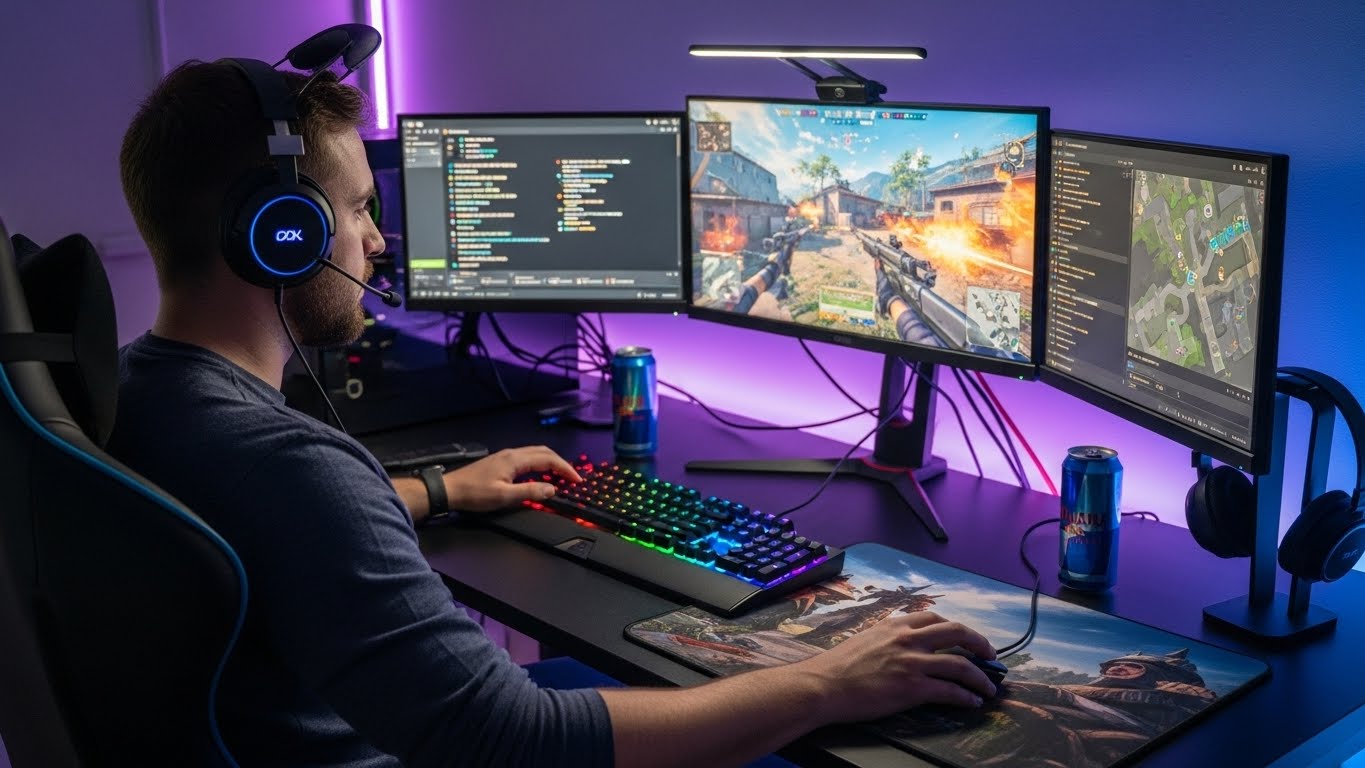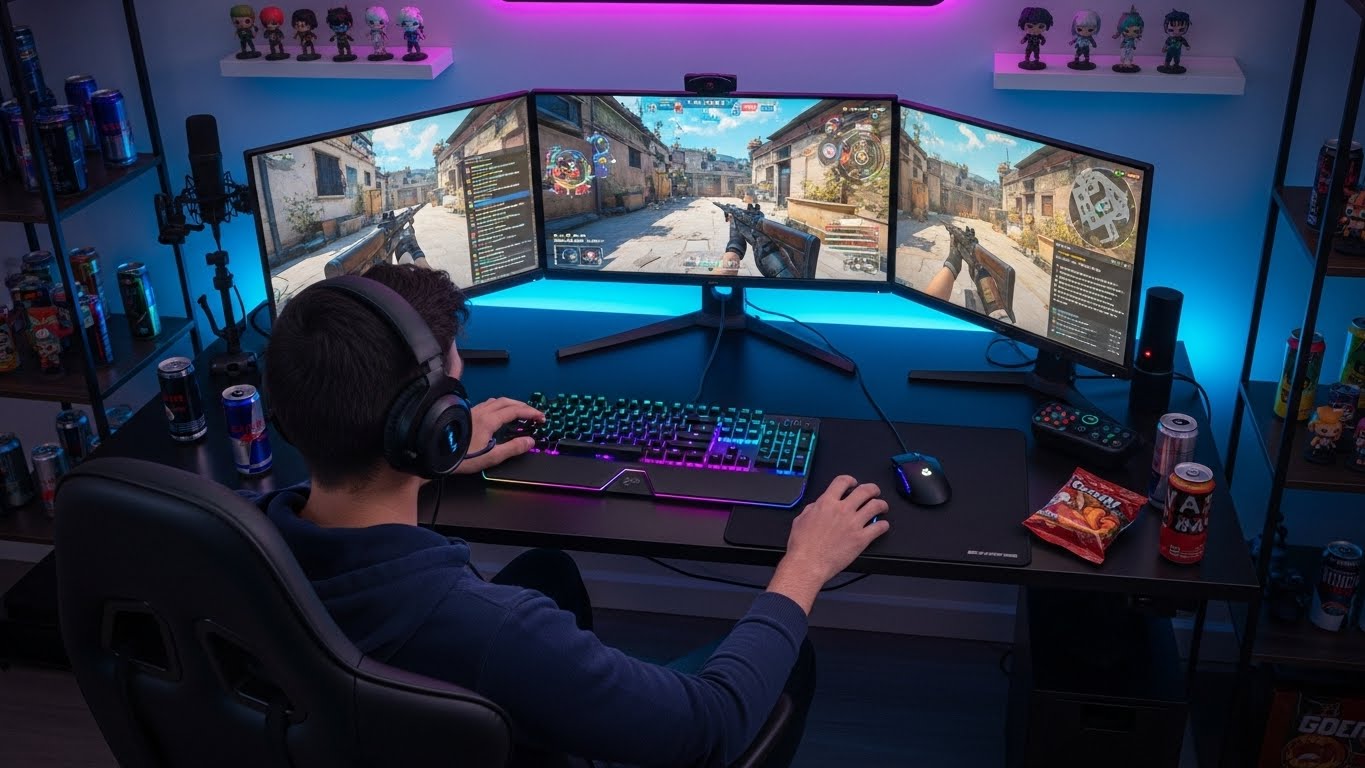
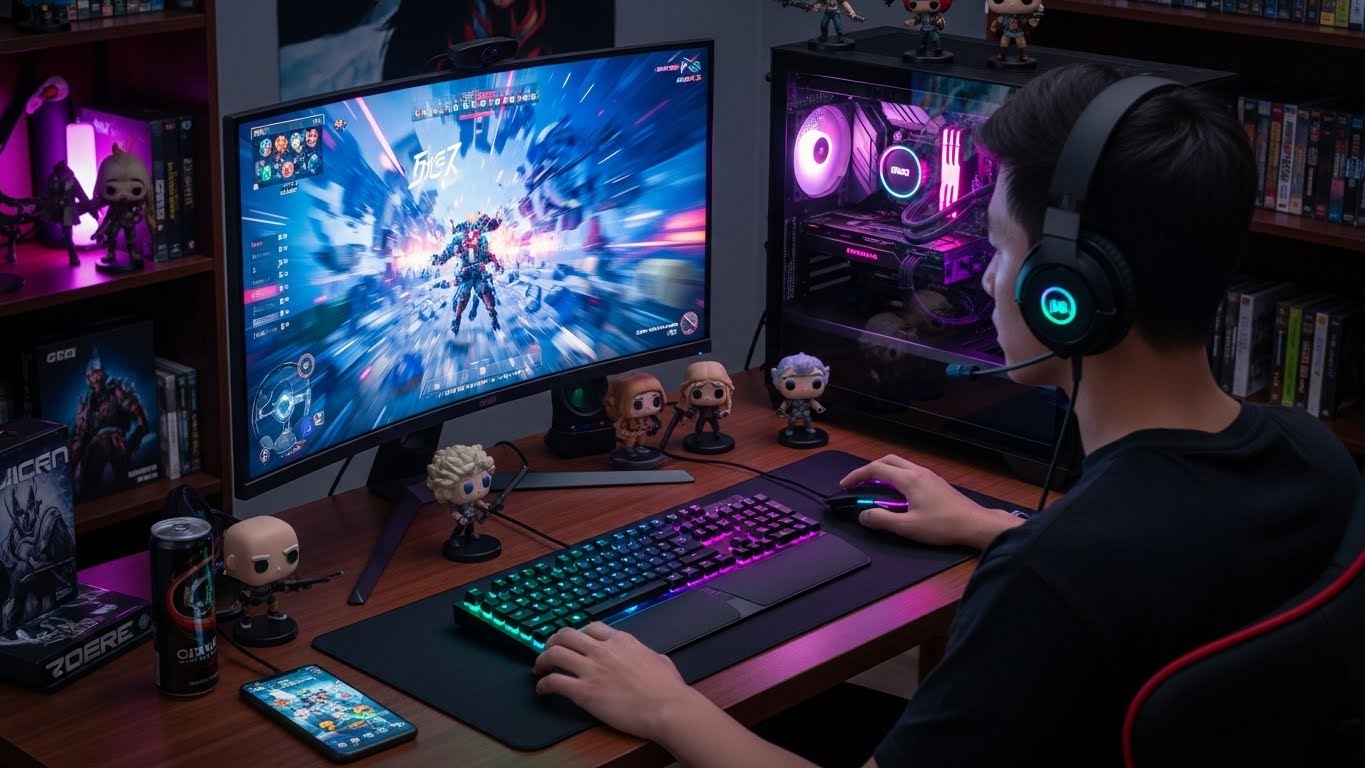
Gaming has evolved from a simple pastime into a global phenomenon, influencing entertainment, culture, technology, and social interaction. From arcade machines and home consoles to mobile games and virtual reality, the gaming industry has expanded at an unprecedented pace. Gaming is no longer just a hobby; it has become a cultural movement, a professional industry, and a platform for creativity and social connection. This blog explores the history of gaming, its cultural significance, technological evolution, social impact, and future trends.
The Origins of Gaming
The history of gaming dates back decades, beginning with simple electronic games and arcade machines. Early games like Pong and Space Invaders introduced interactive entertainment to the masses, sparking curiosity and excitement. Home consoles in the 1980s and 1990s, such as the Nintendo Entertainment System and Sega Genesis, brought gaming into living rooms, creating shared experiences among families and friends. These early games emphasized simple mechanics and fun, laying the foundation for a thriving industry. Over time, gaming evolved into more complex experiences, combining storytelling, graphics, and interactivity in ways that captivated players worldwide.
The Evolution of Gaming Technology
Technology has been the driving force behind gaming’s evolution. Early 8-bit and 16-bit graphics gave way to 3D rendering, realistic physics, and high-definition visuals. Processing power, storage capacity, and internet connectivity have enabled open-world games, multiplayer online experiences, and seamless streaming. Virtual reality (VR) and augmented reality (AR) have introduced immersive environments where players can explore and interact in new ways. Gaming technology continues to push boundaries, transforming how players experience digital worlds and how developers create complex, interactive narratives.
Gaming Genres and Their Appeal
Gaming encompasses a wide variety of genres, each appealing to different types of players. Action and adventure games provide thrilling experiences with fast-paced gameplay and immersive storytelling. Role-playing games (RPGs) allow players to take on unique characters, explore detailed worlds, and make choices that shape the narrative. Simulation games recreate real-world activities, from city building to farming, offering creative and strategic engagement. Puzzle and strategy games challenge the mind, testing logic, planning, and problem-solving skills. Multiplayer online games foster competition and collaboration, creating social networks and global communities. This diversity ensures that gaming offers something for everyone.
The Rise of Competitive Gaming and Esports
Competitive gaming, or esports, has transformed gaming into a spectator sport. Professional players and teams compete in tournaments with substantial prize pools, attracting millions of viewers worldwide. Games like League of Legends, Dota 2, and Counter-Strike: Global Offensive have become pillars of the esports industry. Spectators watch live broadcasts, analyze strategies, and cheer for their favorite players, creating a shared cultural experience. The rise of esports demonstrates that gaming is no longer a solitary activity but a professional, social, and global phenomenon that rivals traditional sports in popularity and engagement.
Gaming as a Social Platform
Gaming is not just about entertainment; it is also a social platform. Multiplayer games, online communities, and cooperative gameplay allow players to connect, communicate, and collaborate. Friends and strangers alike form teams, build strategies, and share experiences. Social features such as voice chat, forums, and streaming platforms enable players to interact in real time, fostering friendships and community engagement. Gaming provides a sense of belonging, allowing people from different backgrounds to come together over shared interests and create lasting social bonds.
The Impact of Gaming on Culture
Gaming has become a significant cultural force, influencing music, fashion, storytelling, and art. Iconic game characters, worlds, and narratives have become part of mainstream culture, inspiring films, merchandise, and fan communities. Games often reflect societal themes, exploring morality, identity, and human experience, offering players new perspectives. Gaming culture encourages creativity, collaboration, and self-expression, allowing players and developers to experiment with innovative ideas. This cultural impact demonstrates that gaming is not merely entertainment but a medium for storytelling, art, and social commentary.
The Cognitive and Educational Benefits of Gaming
Gaming offers several cognitive and educational benefits. Many games require strategic thinking, problem-solving, and decision-making, which can enhance critical thinking skills. Puzzle, simulation, and strategy games promote memory, planning, and multitasking abilities. Multiplayer and cooperative games foster communication, leadership, and teamwork. Educational games provide interactive learning experiences, teaching subjects like history, science, and mathematics in engaging ways. While excessive gaming can have negative effects, balanced and purposeful play can improve cognitive abilities, creativity, and learning outcomes.
Gaming and Mental Health
Gaming can positively impact mental health when approached mindfully. Games provide relaxation, stress relief, and escapism, allowing players to recharge and refocus. Social gaming fosters connection and reduces feelings of isolation. Additionally, therapeutic games are used to improve cognitive function, motor skills, and mental health conditions. However, moderation is key, as excessive gaming can lead to addiction, social withdrawal, or sleep disruption. Awareness, healthy habits, and balance ensure that gaming remains a positive force for mental well-being.
The Business and Economic Impact of Gaming
Gaming has grown into a multi-billion-dollar industry with a substantial economic footprint. Revenue streams include game sales, in-game purchases, subscriptions, merchandise, and esports tournaments. The industry supports careers in game development, design, programming, marketing, content creation, and event management. Gaming conventions, streaming platforms, and online communities contribute to economic activity, tourism, and innovation. The financial impact of gaming demonstrates its role as a driving force in technology, entertainment, and global commerce.
The Role of Streaming and Content Creation
Streaming and content creation have transformed gaming into a participatory experience. Platforms allow players to broadcast gameplay, share tips, and engage with audiences worldwide. Influencers and content creators inspire communities, review games, and provide entertainment beyond traditional gameplay. Streaming creates opportunities for monetization, personal branding, and professional growth. The interactive nature of streaming fosters engagement, collaboration, and global participation, making gaming a dynamic social and economic ecosystem.
Virtual Reality and the Future of Immersive Gaming
Virtual reality (VR) and augmented reality (AR) are redefining immersive gaming experiences. VR provides fully interactive, 360-degree environments, allowing players to feel present within the game world. AR overlays digital elements onto the real world, creating unique gameplay experiences. These technologies expand storytelling possibilities, improve player engagement, and introduce innovative gameplay mechanics. As VR and AR hardware becomes more accessible, immersive gaming experiences will become a central component of entertainment and social interaction.
The Challenges Facing the Gaming Industry
Despite its growth, the gaming industry faces challenges. Game addiction, microtransactions, and predatory monetization models can impact players negatively. Cybersecurity concerns, including data privacy and online harassment, are significant in online gaming communities. Additionally, diversity and inclusion in game development and representation remain ongoing challenges. Addressing these issues requires responsible design, ethical business practices, and community awareness, ensuring that gaming remains safe, inclusive, and enjoyable for all participants.
The Future of Gaming
The future of gaming promises continued innovation and expansion. Cloud gaming will allow players to access high-quality games without powerful hardware. Artificial intelligence will create adaptive and intelligent game worlds, enhancing realism and challenge. Social gaming will further integrate communities, streaming, and interactive experiences. Virtual and augmented reality will transform immersive gameplay, blurring the line between digital and physical worlds. As technology, creativity, and culture evolve, gaming will continue to influence entertainment, education, social interaction, and global culture.
Conclusion
Gaming has evolved far beyond its origins as a casual pastime into a transformative cultural and economic force. It combines entertainment, social connection, creativity, and technology, impacting individuals and societies worldwide. The diversity of gaming genres, immersive experiences, and global communities demonstrates its universal appeal. While challenges exist, responsible gaming practices, innovation, and inclusive design ensure that gaming remains a positive and influential part of modern life. As technology continues to advance, gaming will redefine entertainment, communication, and culture, solidifying its place as one of the most dynamic and influential forms of human expression.