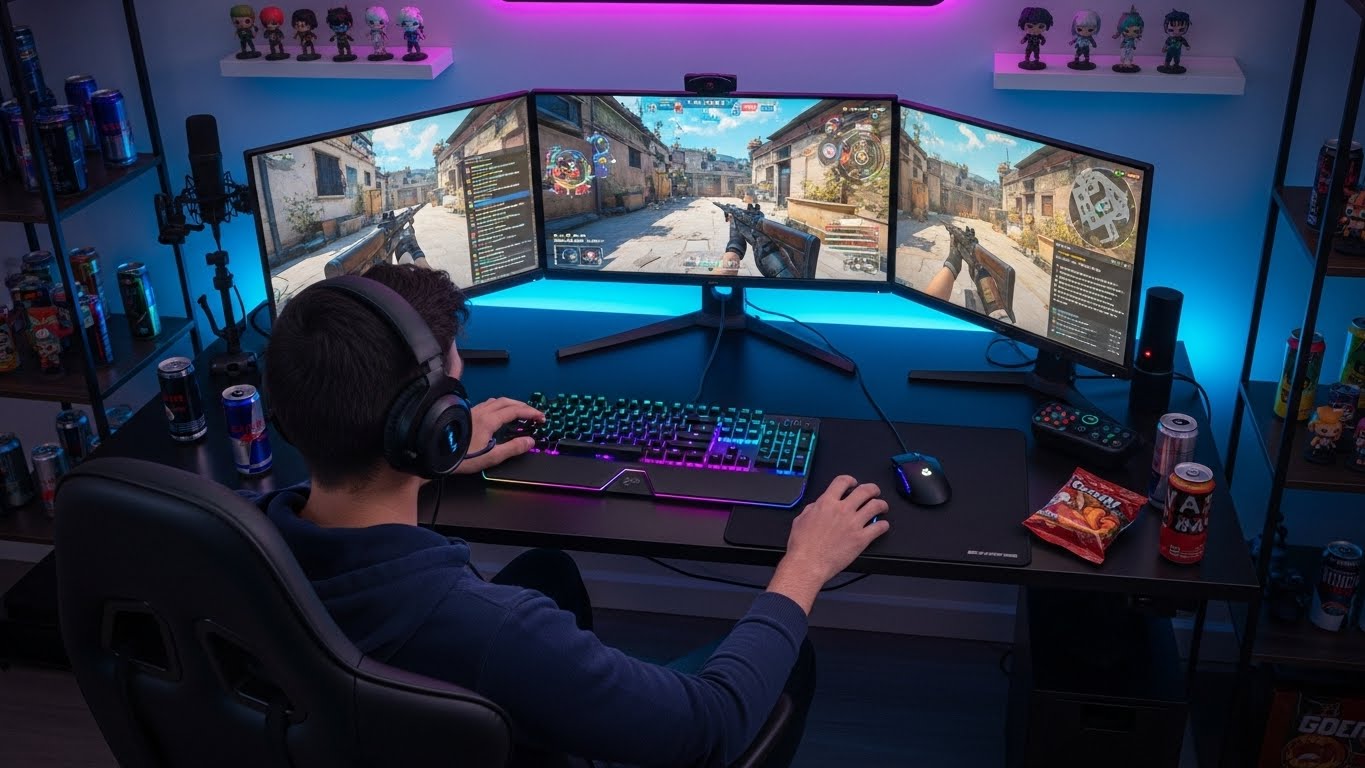
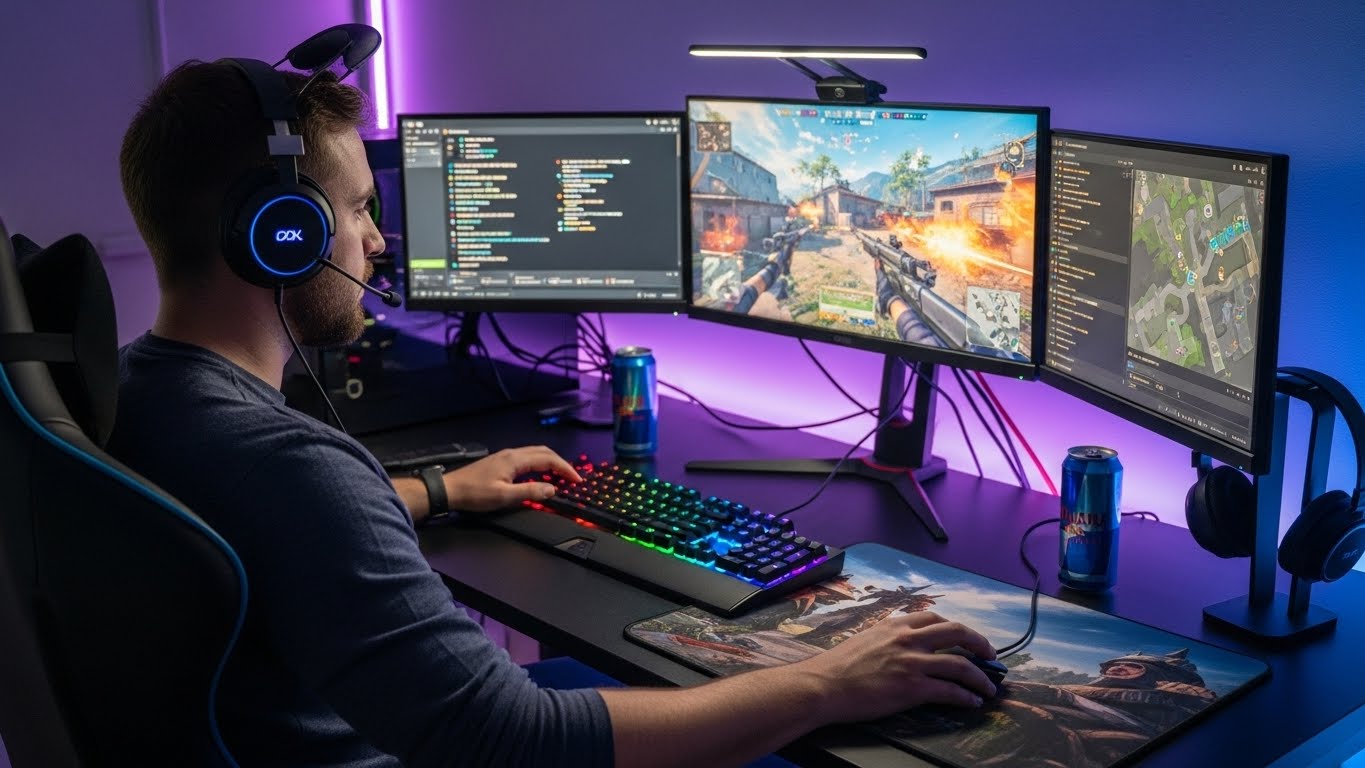
Introduction: Gaming Beyond Entertainment
Gaming is often perceived as a pastime, a way to unwind after a long day, or a source of thrilling competition. However, its influence extends far beyond simple amusement. In the modern world, gaming has evolved into a complex ecosystem that touches culture, technology, education, and even personal development. From immersive storylines to strategic thinking, gaming has transformed from childhood fun into a medium that shapes minds, communities, and industries. Understanding gaming requires looking past the controller to see how it has become a powerful force in society.
The Evolution of Gaming
The history of gaming traces back to simple mechanical and electronic devices, but it has grown into a sophisticated digital universe. Early arcade games provided entertainment and social hubs, while home consoles brought gaming into living rooms around the world. The rise of personal computers, online connectivity, and mobile devices expanded the reach of gaming exponentially. Today, virtual reality, augmented reality, and cloud gaming redefine the boundaries of interactive experiences, proving that gaming is as much about innovation as it is about play.
Gaming as a Tool for Cognitive Development
Contrary to the stereotype that gaming is purely recreational, research suggests that it can enhance cognitive abilities. Many games challenge players to solve complex puzzles, think strategically, and make quick decisions. Fast-paced games improve reaction times and hand-eye coordination, while role-playing and strategy games develop problem-solving and critical thinking skills. These mental exercises, disguised as entertainment, offer a unique opportunity to grow cognitive flexibility and adaptability.
The Social Dimension of Gaming
Gaming has become a social phenomenon. Online multiplayer games connect millions of people across the globe, creating communities where collaboration, communication, and competition thrive. Players often form friendships and alliances, working together to achieve shared goals. Esports, or competitive gaming, has transformed the social landscape even further, offering spectatorship, teamwork, and professional opportunities for players. Gaming is no longer a solitary activity; it is a space where people gather, share experiences, and build connections.
Storytelling and Immersion in Games
Modern games are celebrated for their storytelling capabilities. Developers craft intricate worlds with detailed narratives, complex characters, and immersive environments. Players engage not just with mechanics but with the emotional depth of stories, making choices that influence outcomes. This interactive storytelling creates a unique blend of literature, cinema, and play. Games like these do more than entertain—they inspire empathy, creativity, and emotional intelligence.
Gaming and Skill Development
Beyond cognitive benefits, gaming can teach practical skills applicable in real life. Strategy games enhance planning and resource management, simulation games encourage attention to detail, and multiplayer games develop teamwork and leadership abilities. Many professional skills, including project management, communication, and adaptability, are mirrored in game environments. The gaming world has become a proving ground where individuals can experiment, fail, and learn in ways that translate to real-world success.
The Cultural Impact of Gaming
Gaming has grown into a cultural force that influences music, fashion, film, and social trends. Iconic games inspire artistic expression, fan communities, and online content creation. Game design principles have also shaped technology and media industries, influencing user interface design, interactive storytelling, and entertainment marketing. The culture of gaming is no longer confined to niche circles; it permeates mainstream society, reflecting broader societal values and trends.
Health and Wellbeing in Gaming
While excessive gaming can have negative effects, balanced gaming offers health and wellness benefits. Games designed for physical activity, such as motion-based or VR games, encourage movement and exercise. Puzzle and strategy games stimulate the mind, reducing stress and providing relaxation. Moreover, social interaction through gaming can alleviate feelings of isolation and provide mental health support, especially for individuals who may struggle with traditional social settings.
The Economic Power of the Gaming Industry
Gaming has grown into one of the largest entertainment industries in the world. Revenue from console, PC, and mobile games surpasses that of film and music industries combined in many regions. Game development creates jobs across programming, design, marketing, and storytelling. Esports competitions attract massive sponsorships and viewership, generating further economic activity. This industry continues to innovate, showing that gaming is both a cultural and economic powerhouse.
Ethical and Social Considerations
As gaming becomes more influential, it raises questions about ethics and responsibility. Issues such as addiction, online harassment, representation, and in-game monetization practices demand attention. Game developers and communities are increasingly tasked with promoting inclusivity, fairness, and healthy engagement. Responsible gaming practices ensure that the positive aspects of gaming—cognitive development, social connection, and entertainment—are balanced with ethical awareness.
Educational Potential of Games
Educational games are bridging the gap between fun and learning. They provide interactive ways to explore complex subjects, from history and science to language and mathematics. Gamification of education motivates learners by offering rewards, challenges, and progression systems. Beyond schools, training simulations in professional fields use game mechanics to teach practical skills, decision-making, and risk assessment. Gaming has proven that learning and play are not mutually exclusive but can complement each other effectively.
Technological Innovation Driven by Gaming
Gaming is often at the forefront of technological advancement. Graphics engines, artificial intelligence, virtual reality, and cloud computing are frequently refined and tested in gaming contexts. Innovations developed for games often find applications in other industries, from healthcare simulations to architectural visualization. In this sense, gaming acts as a laboratory for technological creativity and experimentation, pushing the boundaries of what digital systems can achieve.
Esports: Professional Gaming as a Career
Esports has transformed gaming into a viable profession. Competitive players, streamers, and content creators can build careers around gaming, turning skills into income and recognition. Professional leagues, tournaments, and sponsorships reflect a level of organization comparable to traditional sports. This professionalization also creates role models for aspiring players, demonstrating that gaming can be a pathway to achievement, teamwork, and global visibility.
The Future of Gaming
The future of gaming is poised for extraordinary expansion. Advancements in artificial intelligence, virtual reality, and augmented reality will make gaming more immersive and adaptive. Games may become increasingly personalized, learning from players’ behaviors to create unique experiences. Social and cultural integration will deepen, making gaming an even more central part of everyday life. As the industry evolves, it will continue to shape technology, entertainment, and human experience in profound ways.
Conclusion: Gaming as a Modern Catalyst
Gaming is far more than entertainment; it is a catalyst for cultural, cognitive, and technological growth. It enhances thinking, fosters social connection, drives economic activity, and inspires creativity. The digital playground is not limited to children or casual players—it is a platform where innovation, storytelling, and skill development converge. As gaming continues to expand and evolve, it will remain a defining feature of modern society, reflecting the human desire for exploration, connection, and achievement.