Introduction: A New Era of Digital Play
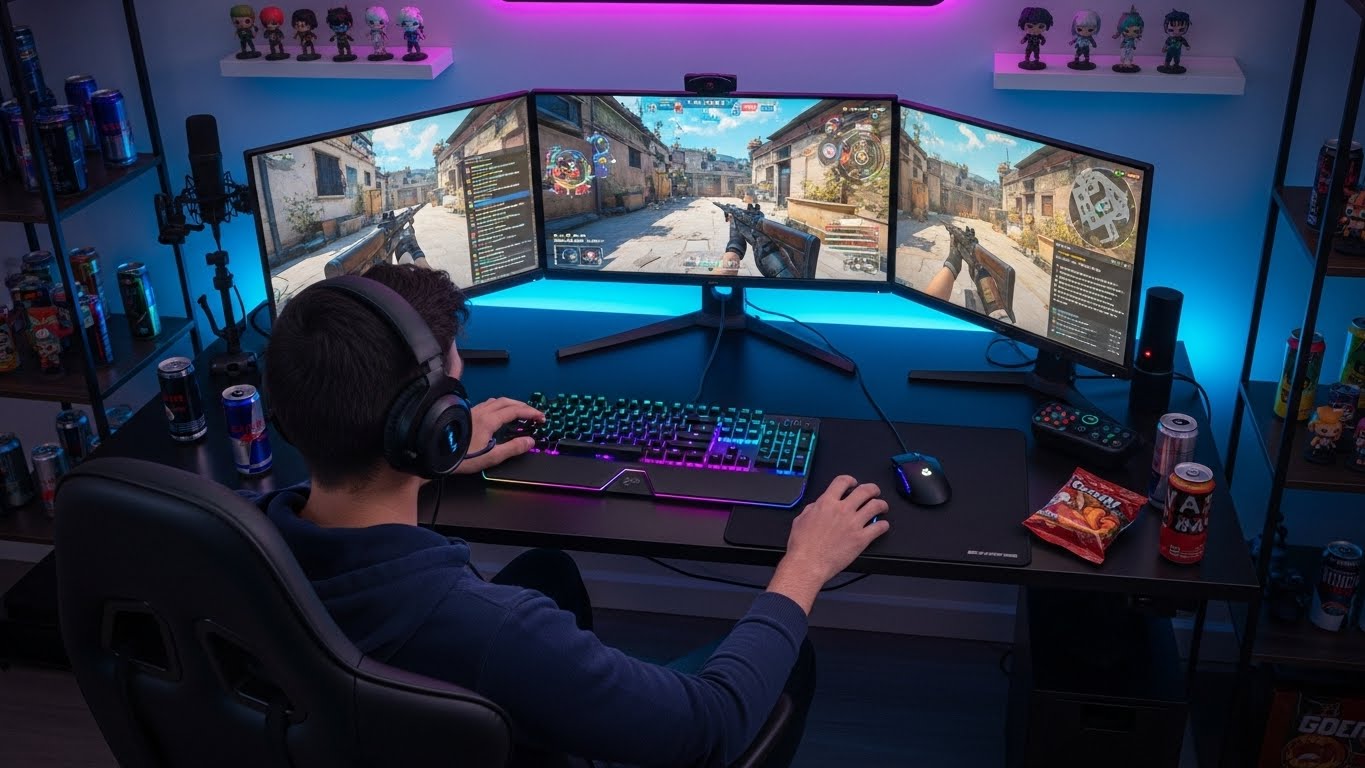
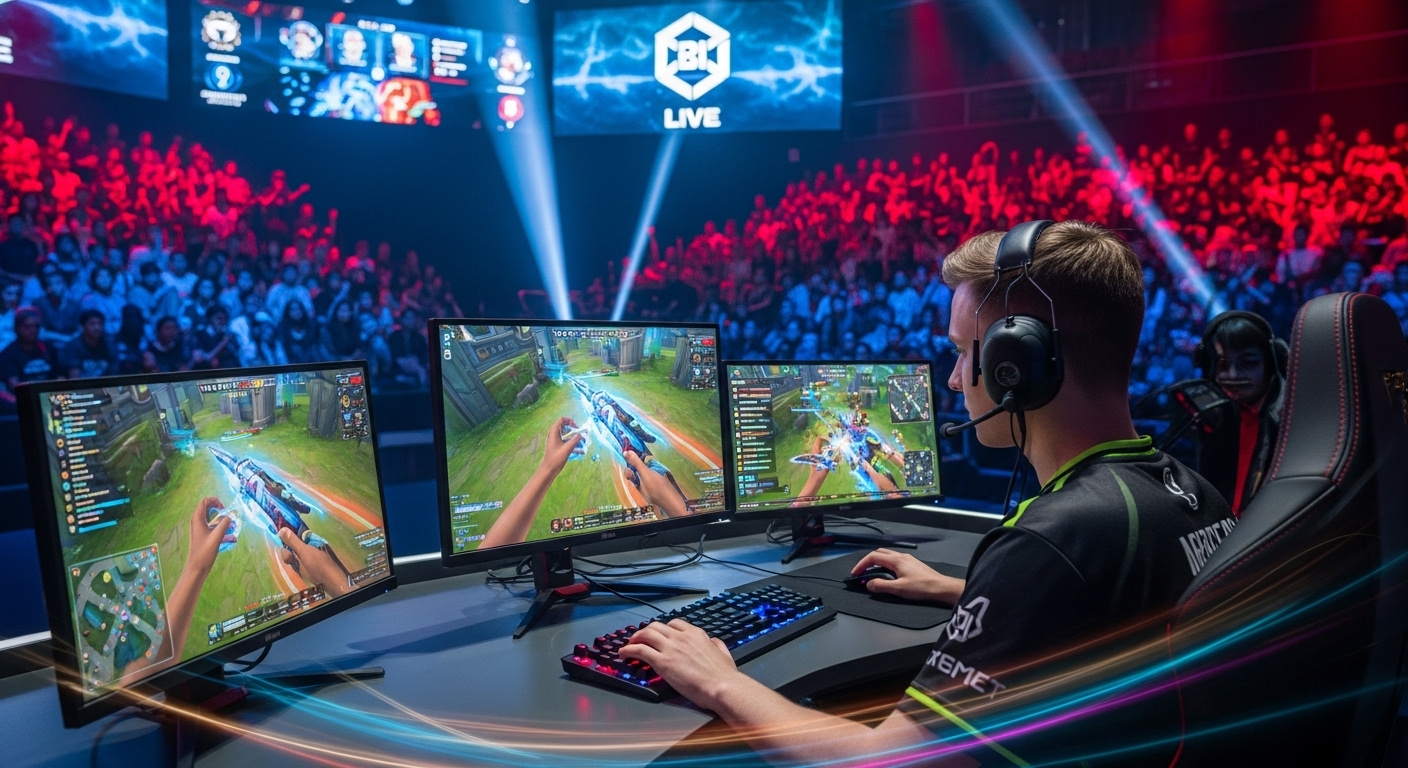
Gaming has transformed from a pastime into a cultural powerhouse that captivates millions of people around the globe. What once started as simple games on early consoles has evolved into intricate, story-driven adventures that rival movies and novels in complexity and depth. But beyond the entertainment value, gaming has become an integral part of social interaction, creativity, and even mental health. This post explores the evolution of gaming, its influence on society, and why it has such a lasting appeal.
The Birth of Gaming: Simple Beginnings
The story of gaming begins in the 1970s with games like Pong and Space Invaders. These were the humble beginnings of an industry that would explode into a global phenomenon. Back then, games were incredibly simple—pixelated graphics, basic mechanics, and straightforward objectives. Despite this, they captured the imagination of players, who were eager for something new. The introduction of home consoles in the 1980s allowed players to bring the arcade experience into their homes, making gaming a household staple for the first time.
In the early days, gaming was primarily a solo activity. Players would focus on mastering levels, improving their high scores, and immersing themselves in what were, at the time, groundbreaking graphics and mechanics. Even though these games were rudimentary compared to today’s standards, they laid the foundation for what was to come.
The Golden Age: Rise of Complex Games and Storytelling
The 1990s marked the golden age of gaming, with the introduction of 16-bit and 32-bit consoles like the Super Nintendo and Sony PlayStation. During this era, developers began to realize that games could be more than just a series of challenges—they could tell stories. Final Fantasy VII, The Legend of Zelda: Ocarina of Time, and Super Mario 64 are just a few examples of titles that pushed the boundaries of what gaming could achieve.
This era saw the birth of immersive worlds, intricate plots, and deeper character development. Games were no longer just about reaching the end of a level—they were about embarking on epic journeys. The narratives of these games often rivaled those of books and films, and many players found themselves emotionally invested in the characters and the worlds they inhabited.
The Age of Online Multiplayer: Gaming Becomes Social
One of the most significant shifts in the gaming landscape occurred in the early 2000s with the rise of online multiplayer games. Titles like Halo 2, World of Warcraft, and Call of Duty allowed players to compete and cooperate with others from around the world. The social aspect of gaming began to take center stage, as players connected via the internet to form teams, join guilds, and battle it out in massive, online environments.
This new wave of gaming brought with it an entirely new dynamic: communication. Players used headsets to talk to each other, strategizing during gameplay, and building lasting friendships with people they may never have met in real life. Online gaming broke down geographical boundaries, uniting players from different continents to form communities that shared common interests and passions.
Gaming as an Art Form: Beyond Entertainment
In recent years, the world has started to recognize gaming as a legitimate form of art. The line between traditional media and video games has blurred. Modern games like The Last of Us, Red Dead Redemption 2, and God of War showcase how video games are able to blend stunning visuals, intricate storytelling, and complex character arcs into a cohesive experience that can evoke deep emotions and challenge perceptions.
Game developers are now seen as artists, and the experiences they create are considered as valuable as any film or novel. These games push the boundaries of technology and storytelling, offering players an opportunity to experience emotions and stories in ways that weren’t possible just a few decades ago.
Gaming for Everyone: Breaking Barriers
Once upon a time, gaming was seen as a hobby for a specific demographic—young boys who had access to consoles or arcades. Today, gaming is for everyone. Women, older adults, and people from all walks of life are picking up controllers and exploring virtual worlds. In fact, according to recent surveys, nearly half of all gamers are women, and people over the age of 35 make up a significant portion of the gaming community.
The accessibility of gaming has increased significantly, thanks to mobile gaming, affordable gaming PCs, and cloud-based gaming platforms. Now, players can access games from virtually anywhere, whether on a smartphone, tablet, or even through streaming services that don’t require expensive hardware. This democratization of gaming has allowed people from all backgrounds to join in, fostering an inclusive community where anyone can find their place.
The Future of Gaming: What Lies Ahead?
Looking ahead, the future of gaming promises to be even more revolutionary. Virtual reality (VR) and augmented reality (AR) are already changing the way players interact with games, creating truly immersive environments where you can not only see and hear the game world but feel like you’re physically in it. As VR technology becomes more advanced and affordable, we may soon find ourselves stepping into entirely new worlds, interacting with characters and objects as though they were real.
Additionally, the rise of artificial intelligence (AI) in gaming is creating dynamic, ever-evolving worlds. Games are becoming more adaptive, responding to player behavior in ways that create a unique experience every time you play. AI could also pave the way for games that evolve based on the choices and actions of players, leading to endless possibilities for gameplay and storytelling.
Cloud gaming is another technology that holds immense potential. With services like Google Stadia and Xbox Cloud Gaming, players can stream games directly to their devices, eliminating the need for expensive hardware. This technology could revolutionize how games are accessed and played, further breaking down barriers for gamers everywhere.
Conclusion: More Than Just Play
In conclusion, gaming has come a long way from its humble beginnings. It has grown into a global, multi-billion-dollar industry that brings people together, fosters creativity, and allows players to explore new worlds. As technology continues to evolve, the possibilities for gaming are endless. What was once just a form of entertainment is now a cultural force, one that continues to shape how we socialize, think, and experience stories.
Whether you’re a casual player or a hardcore enthusiast, gaming offers something for everyone. As we continue to push the boundaries of what’s possible, the only limit is the imagination. So, next time you pick up that controller or fire up your gaming PC, remember that you’re not just playing a game—you’re participating in one of the most exciting and dynamic forms of entertainment the world has ever seen.