Introduction: Gaming as a Cultural Phenomenon
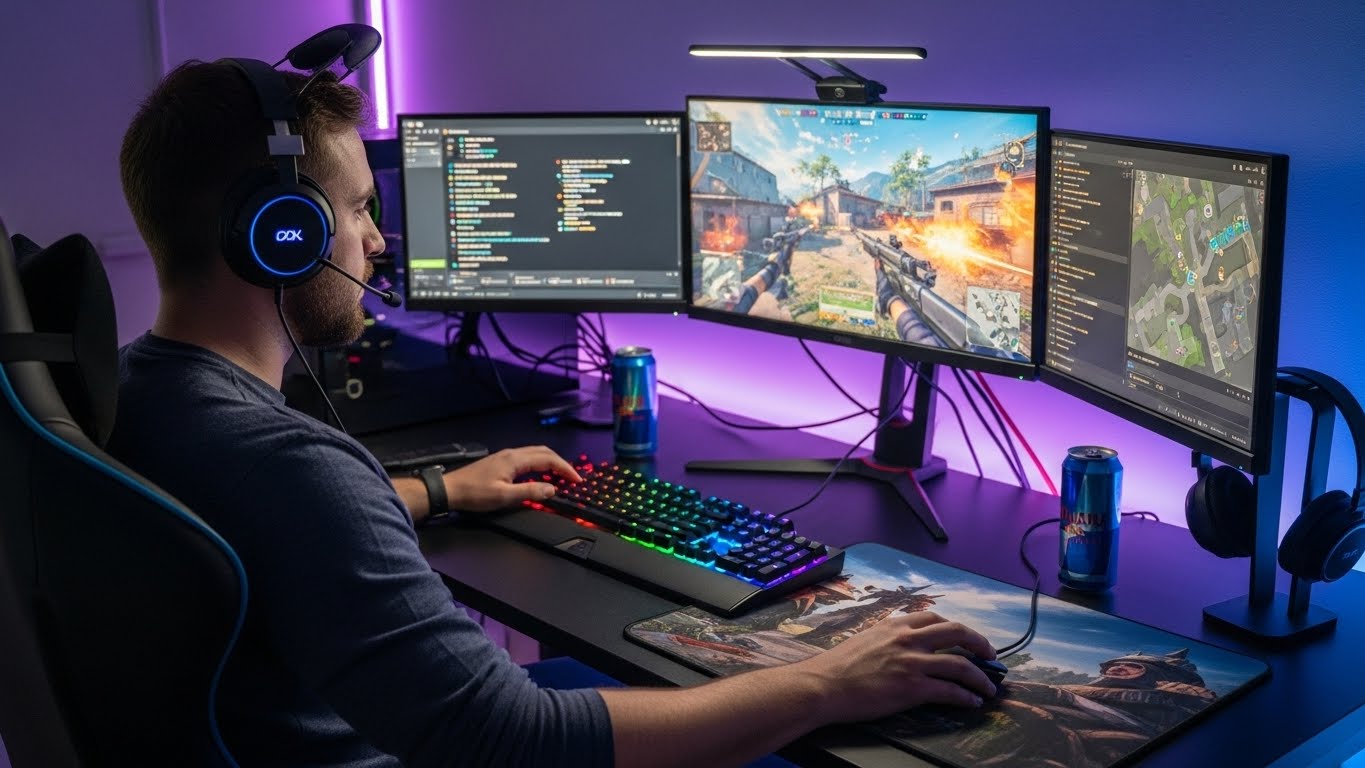
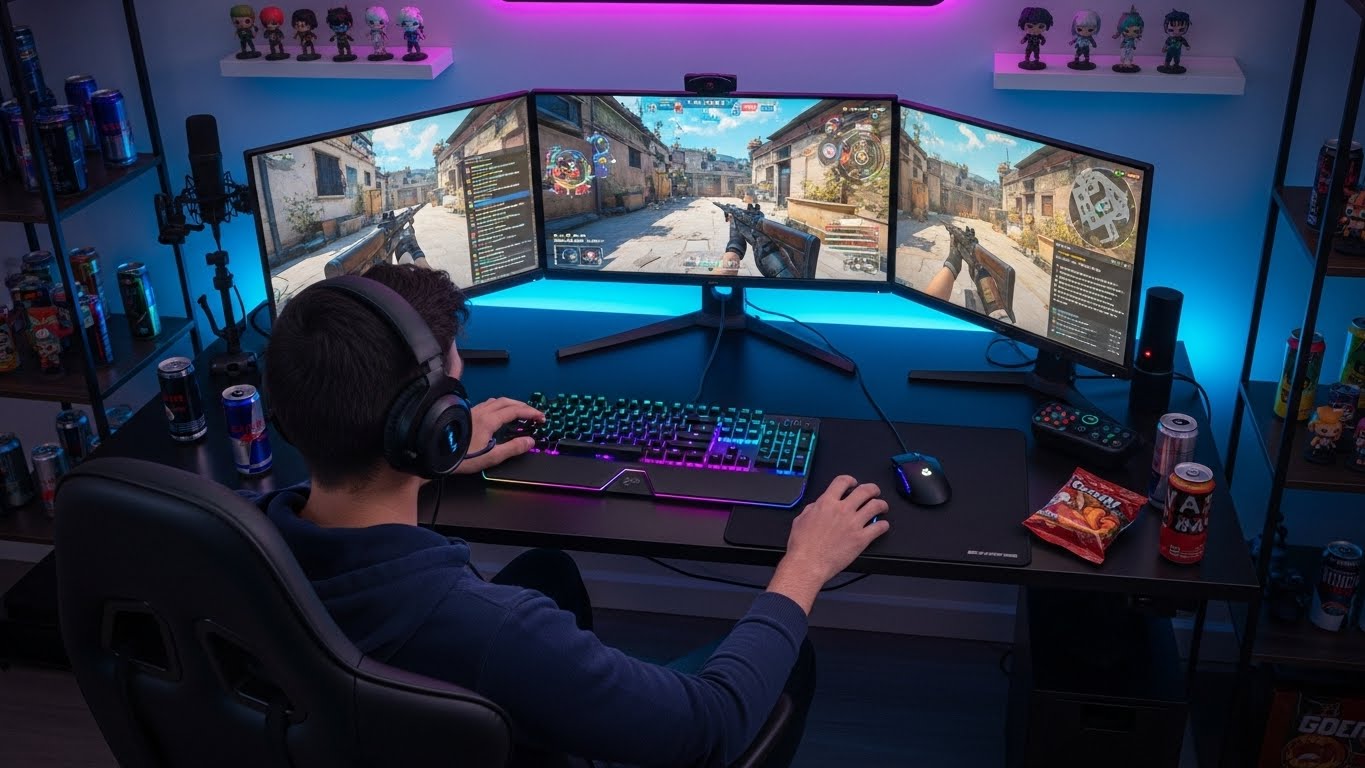
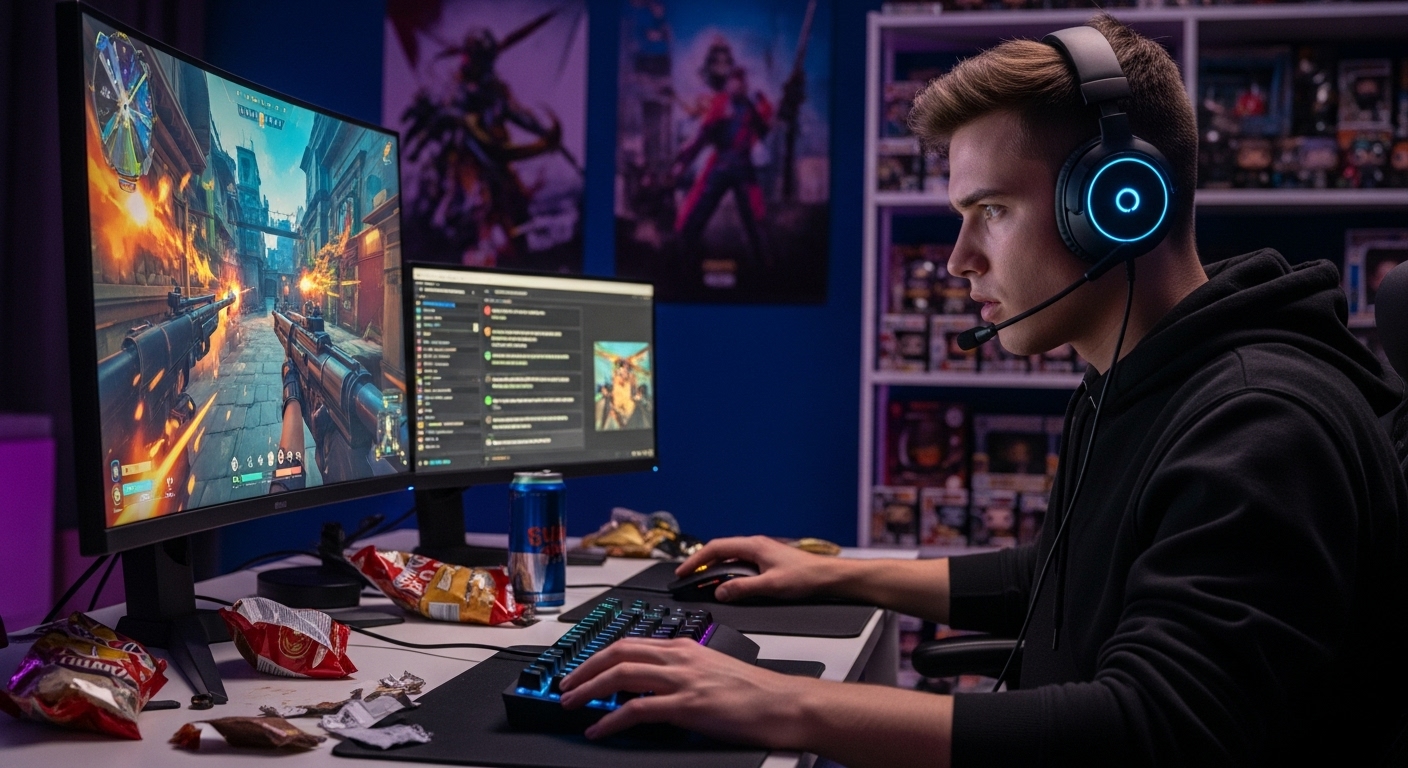
Gaming has evolved far beyond being a simple pastime. Today, it is a global phenomenon that shapes culture, technology, and social interaction. From casual mobile games to competitive esports tournaments, gaming has become an integral part of modern life. It entertains, challenges, and connects millions of people worldwide, creating communities and experiences unlike any other.
The Evolution of Gaming: From Pixels to Immersion
The gaming industry has undergone a dramatic transformation. Early video games featured basic graphics and simple mechanics, yet they captured the imagination of players. Over time, advances in technology brought realistic graphics, immersive storytelling, and interactive worlds. Modern games offer experiences that rival films in narrative depth and cinematics, while virtual reality and augmented reality provide new ways to step directly into digital worlds.
Esports: Gaming Meets Competition
Competitive gaming, or esports, has elevated gaming to professional heights. Players train rigorously, strategize with teams, and compete in tournaments watched by millions around the globe. Esports has created new career opportunities, including professional gamers, coaches, analysts, and content creators. The rise of esports has also changed public perception, positioning gaming as a legitimate and respected competitive activity.
Social Connections in the Gaming World
Gaming is a social experience that connects people across continents. Multiplayer games foster collaboration, teamwork, and communication. Online communities allow players to form friendships, share achievements, and participate in events together. Gaming is no longer a solitary hobby; it is a medium for social interaction, cultural exchange, and community building.
Technological Innovations Driving Gaming
Modern gaming thrives on technological innovation. High-definition graphics, realistic physics, and advanced artificial intelligence create engaging and challenging experiences. Virtual reality immerses players in 360-degree worlds, while cloud gaming enables access to powerful games without expensive hardware. Technology continually expands the possibilities of what games can offer, making experiences more interactive, dynamic, and realistic.
Educational and Cognitive Benefits of Gaming
Gaming is not just entertainment; it can also promote learning and skill development. Strategy games enhance problem-solving and critical thinking, while simulation games teach planning, management, and adaptability. Educational games introduce concepts in a fun, engaging way, making learning interactive. When approached responsibly, gaming can improve cognitive abilities and foster creativity.
The Future of Gaming: Endless Possibilities
The future of gaming promises innovation beyond imagination. Cloud gaming, artificial intelligence, and virtual reality will continue to enhance player experiences. The concept of the metaverse will blur the line between gaming, social interaction, and real-world applications. As gaming evolves, it will remain a powerful platform for storytelling, creativity, and human connection.
Conclusion: Gaming as a Modern Legacy
Gaming has grown into a cultural and technological force that entertains, educates, and unites people worldwide. It has transformed from simple pastimes into immersive experiences, competitive arenas, and social networks. As the gaming world continues to evolve, it will remain at the forefront of innovation, creativity, and connection, shaping the way we play, interact, and imagine.