
Introduction: The New Face of Entertainment
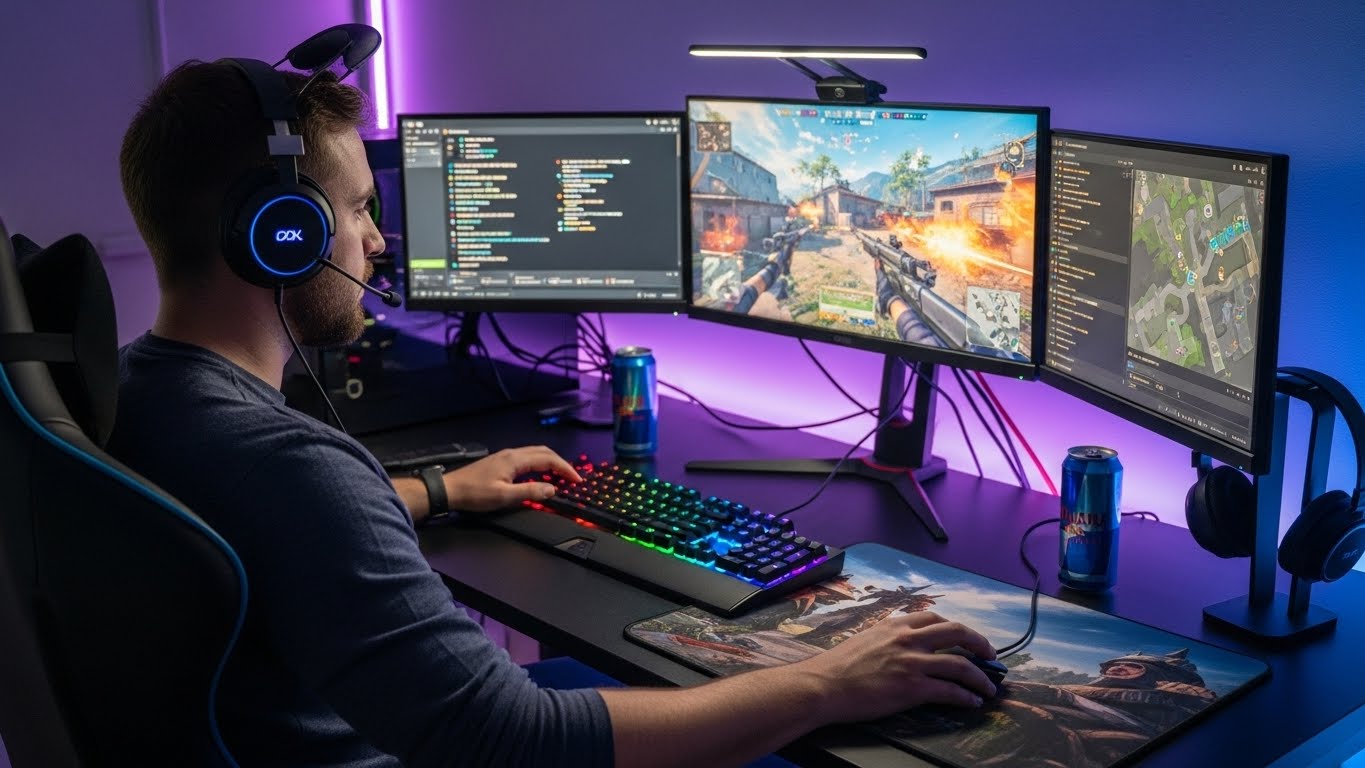
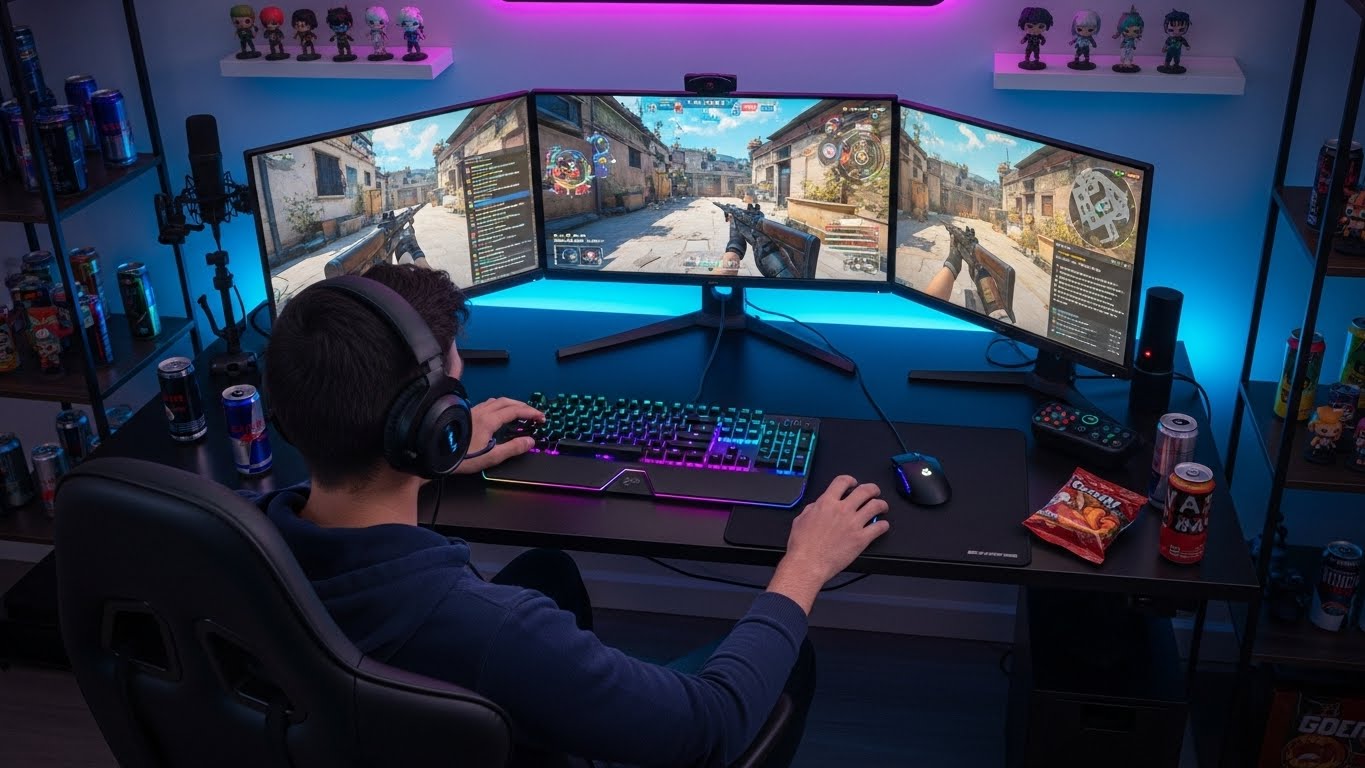
Gaming has become one of the most influential forms of entertainment in the modern era. What was once limited to arcades and simple consoles has now expanded into a vast digital universe. Today, gaming is not only a hobby but a lifestyle, a global culture, and a thriving industry that continues to redefine how people connect, compete, and create.
The Evolution of Gaming
The journey of gaming has been remarkable. Early video games were basic, featuring simple graphics and repetitive soundtracks. Over the decades, technology transformed these humble beginnings into breathtaking experiences filled with stunning visuals, realistic physics, and cinematic storytelling. From consoles and computers to mobile devices, gaming has adapted to every platform and continues to evolve with innovation.
The Rise of Esports and Competitive Gaming
Esports has turned gaming into a professional pursuit that attracts millions of viewers worldwide. Competitive gaming events now rival traditional sports in popularity, offering fame, sponsorships, and massive prize pools. Professional gamers train extensively, develop strategies, and work as teams to achieve victory. The rise of esports has also created new career paths such as shoutcasters, analysts, and event organizers, further expanding the gaming ecosystem.
The Social Connection Through Gaming
Gaming is no longer a solitary activity. Multiplayer platforms allow people to interact with friends or strangers from different corners of the world. Through voice chats, teamwork, and shared challenges, gaming has built communities that transcend boundaries of language, culture, and geography. For many, it is a way to socialize, unwind, and build lasting friendships.
Technology Powering the Gaming World
Modern gaming thrives on cutting-edge technology. Advanced graphics engines, artificial intelligence, and high-speed internet have revolutionized how games are developed and played. Virtual reality and augmented reality have taken immersion to new heights, making players feel like they are part of the action. Cloud gaming has also emerged, allowing access to high-quality games without the need for expensive hardware.
The Educational and Cognitive Value of Gaming
Gaming is often seen as mere entertainment, but it offers numerous mental and educational benefits. Strategy games enhance critical thinking and decision-making skills, while simulation games promote creativity and problem-solving. Many educators now use games as tools to teach teamwork, planning, and adaptability. When balanced responsibly, gaming can be both fun and intellectually rewarding.
The Future of Gaming: Limitless Horizons
The future of gaming promises endless possibilities. As technology continues to advance, players can expect more personalized, interactive, and lifelike experiences. Artificial intelligence will make games smarter, and virtual worlds will become more immersive. The concept of the metaverse is set to blend gaming with social interaction, education, and commerce, creating a universe where play and reality coexist seamlessly.
Conclusion: Gaming as a Cultural Revolution
Gaming has evolved far beyond its early beginnings to become a global phenomenon that shapes culture, technology, and human connection. It entertains, educates, and inspires millions around the world. As new generations grow up in this digital playground, gaming will continue to be a powerful force driving creativity, innovation, and unity. The world of gaming is not just about playing—it’s about exploring new dimensions of imagination and possibility.