Introduction
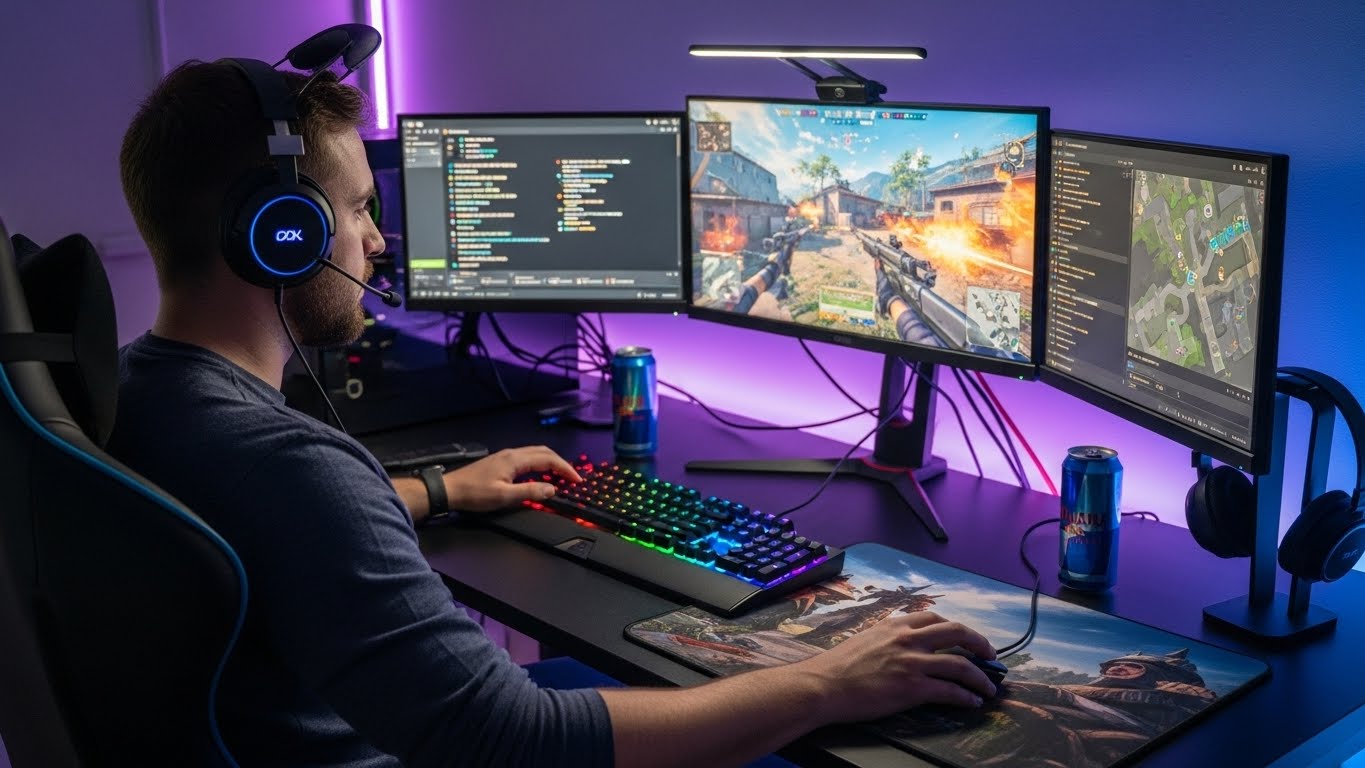
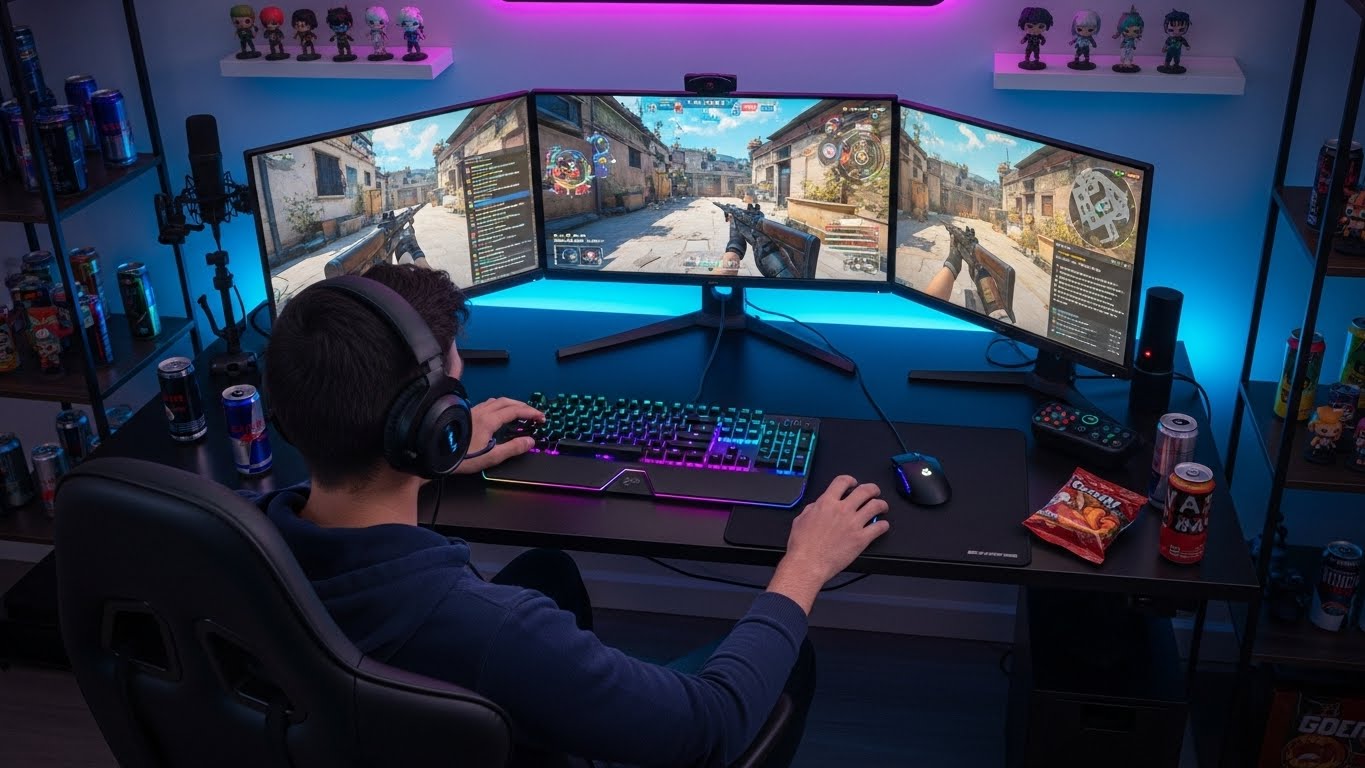
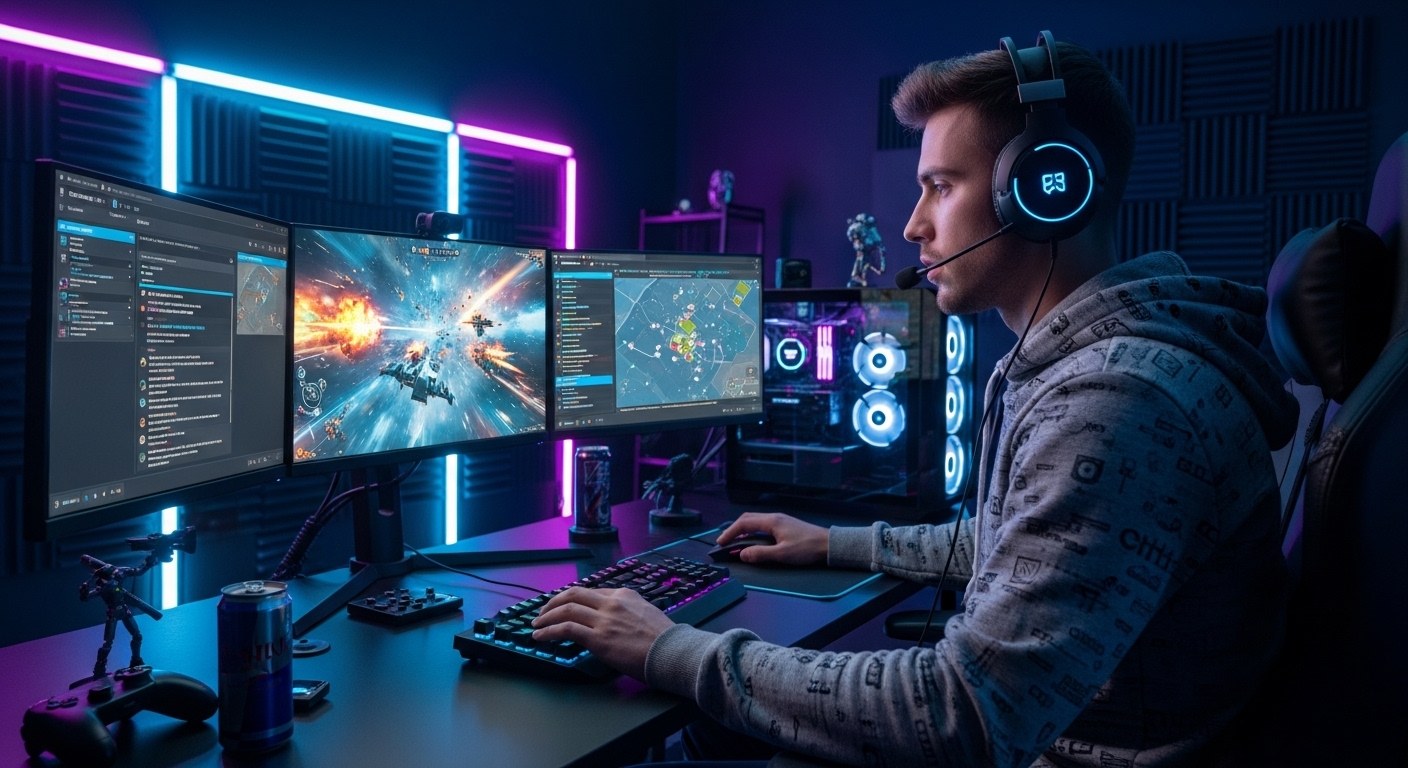
Gaming has evolved from a niche hobby into a global phenomenon that touches nearly every aspect of modern culture. What began as simple pixelated adventures has grown into an immersive world where millions of players connect, compete, and create every day. Gaming today is not just about entertainment—it’s a lifestyle, a community, and a growing part of the economy.
The Evolution of Gaming
In the early days of gaming, titles like Pong and Space Invaders were revolutionary. These simple games laid the groundwork for what would become a multi-billion-dollar industry. As technology advanced, so did gaming experiences. The arrival of 3D graphics, online multiplayer systems, and open-world environments transformed how players interact with games. Modern gaming now includes hyper-realistic visuals, complex storylines, and cross-platform play that allows friends from around the world to team up or compete.
The Social Connection in Gaming
Gaming is often perceived as a solitary activity, but in reality, it fosters incredible social connections. Online games allow players to build friendships that cross borders and cultures. Communities form around shared interests in specific genres or titles, creating bonds that often extend beyond the screen. Multiplayer platforms, voice chats, and streaming communities have made gaming a vibrant social hub where teamwork, communication, and camaraderie thrive.
The Rise of Esports
Esports has turned gaming into a legitimate competitive sport, attracting millions of viewers and offering substantial prize pools. Professional players train for hours, strategize with teams, and perform under pressure just like athletes in traditional sports. The growth of esports has also opened career paths for commentators, analysts, and event organizers. It has become a symbol of how gaming has matured into a serious, skill-based pursuit.
The Creative Side of Gaming
One of the most beautiful aspects of gaming is its ability to inspire creativity. Many games give players the freedom to build, design, and express themselves. Titles that include user-generated content have allowed players to create entire worlds, design characters, and even develop their own stories. This creative outlet has encouraged a new generation of game developers, artists, and storytellers to pursue their passion.
Gaming and Technology
The development of gaming technology has pushed innovation in other industries as well. Graphics cards designed for gaming are now used in fields like artificial intelligence and virtual reality. Motion sensors, haptic feedback, and augmented reality have not only enhanced gaming experiences but also contributed to advancements in education, healthcare, and design. Gaming continues to be a driving force in technological progress.
The Mental and Emotional Impact
Gaming has a powerful effect on the mind. It can improve cognitive skills, problem-solving, and strategic thinking. Many players use gaming as a form of stress relief or relaxation after a long day. Story-driven games can evoke deep emotions and empathy, allowing players to connect with characters and narratives on a personal level. However, balance is essential—moderation ensures that gaming remains a positive influence on mental well-being.
Gaming as a Career Path
Today, gaming is not only a hobby but also a viable career choice. From game development and design to streaming and content creation, opportunities in the gaming industry are abundant. Many individuals earn livelihoods by entertaining audiences or developing groundbreaking titles. The industry’s demand for programmers, artists, writers, and sound engineers continues to grow, making gaming one of the most dynamic fields in modern employment.
Cultural Influence of Gaming
Games have become a major force in shaping pop culture. Iconic characters, memorable soundtracks, and powerful storylines have found their way into movies, art, and fashion. Gaming events draw thousands of fans dressed as their favorite heroes, while references to games appear in everyday conversations. This cultural integration shows how deeply gaming has become embedded in modern society.
The Future of Gaming
As technology continues to evolve, the future of gaming looks brighter than ever. Virtual reality, cloud gaming, and artificial intelligence are redefining how games are played and experienced. The next generation of gaming will likely blur the lines between reality and the digital world even further, offering experiences that are more immersive, personalized, and interactive.
Conclusion
Gaming is far more than a pastime—it’s an art form, a social connector, and a technological frontier. It influences how people think, communicate, and express themselves. From casual mobile gamers to professional esports players, everyone contributes to this vast digital playground. As the world continues to embrace gaming, its impact on culture, innovation, and community will only continue to grow.